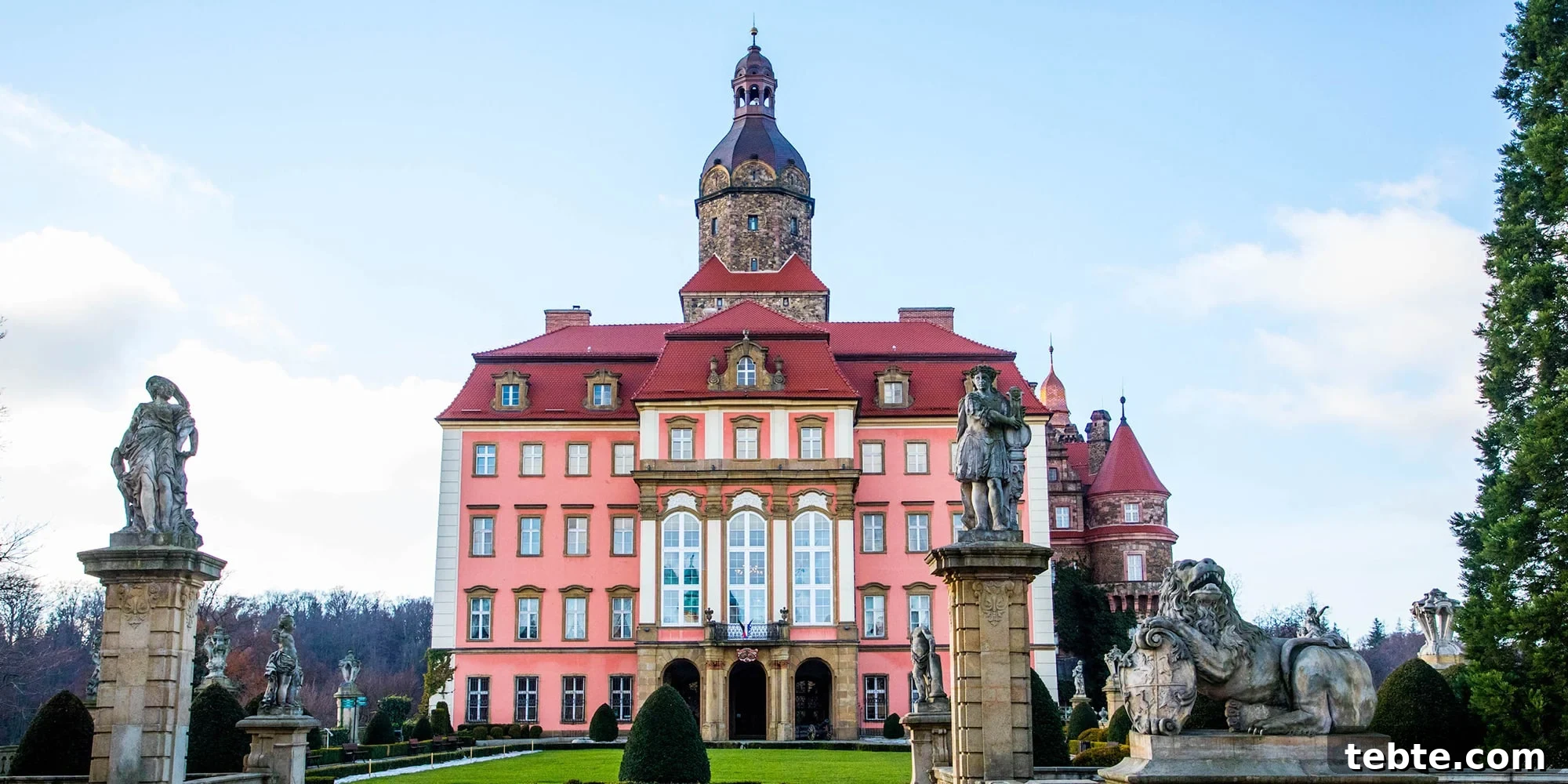
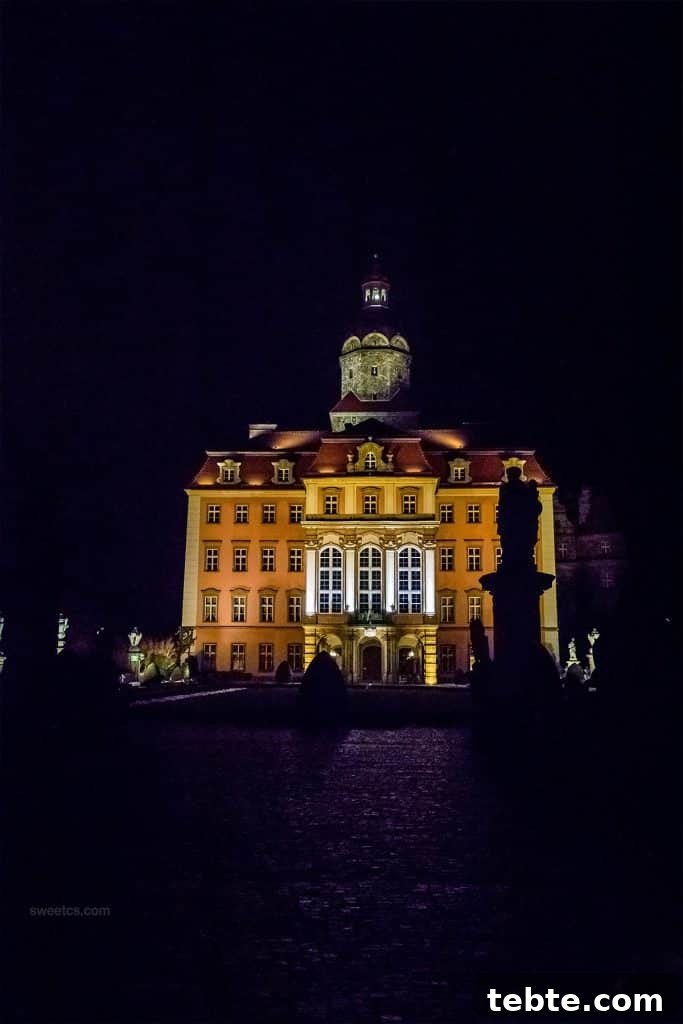
Ksiaz is a fairytale castle brought to life, nestled among the rolling hills and dense forests of western Poland. Its layered history includes wartime secrets, legends of hidden Nazi treasure, and a resilient structure that survived World War II and occupation by the Red Army.
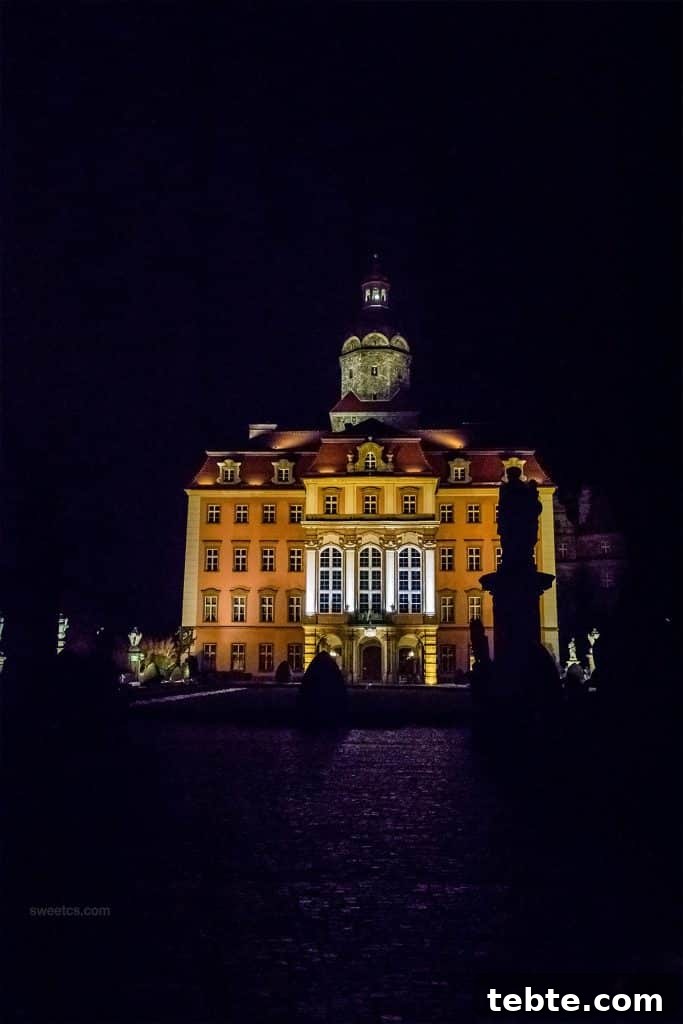
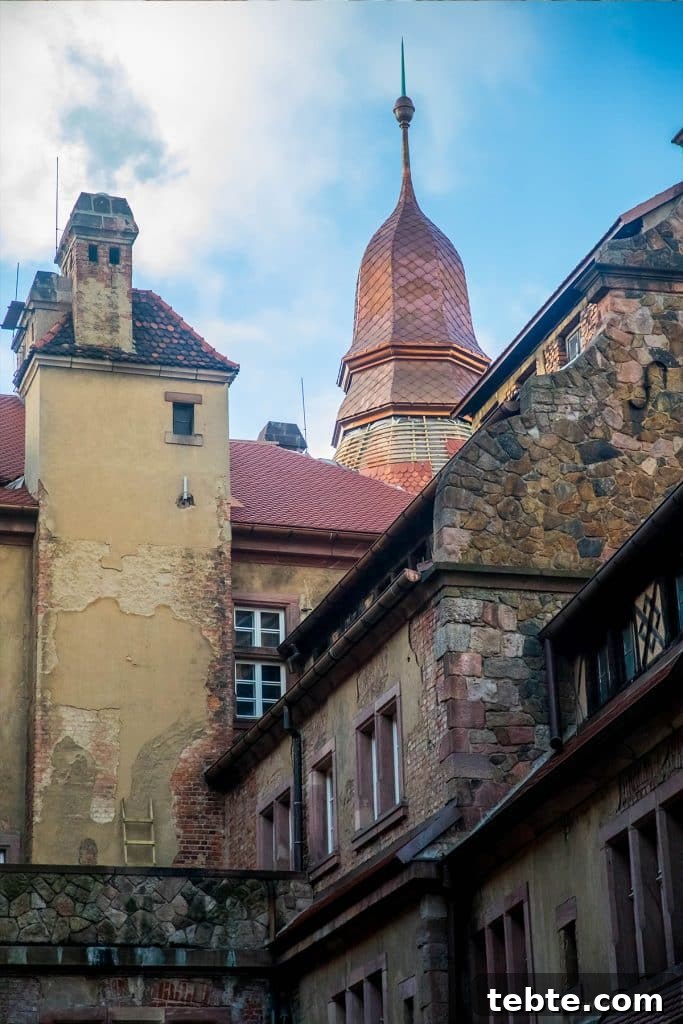
The castle’s architecture reflects centuries of change: restorations, additions, and stylistic shifts have produced a towering, eclectic complex that is both beautiful and compelling. Visiting Ksiaz reveals a place where history feels tangible in every corridor and façade.
The Silesian region has a rich past that is intriguing to explore. Ksiaz has changed hands many times since its original construction, which was destroyed and rebuilt in 1288. Over the centuries it was held by Bohemian Hussites, Polish nobility, and various landowners. The castle is best known for its association with Hans Heinrich XVII, the Prince of Pless, and his famous wife (and later ex-wife), Princess Mary-Theresa Olivia Cornwallis-West—better known as Princess Daisy.
In 1942 the Prince of Pless became a British citizen; Princess Daisy was British by birth. As the Nazis advanced, Ksiaz was seized and repurposed. Hans Heinrich later acquired Polish citizenship and died of a heart attack in Paris during WWII. His sons took different paths in the war—one served with the RAF and another fought with the Polish forces.
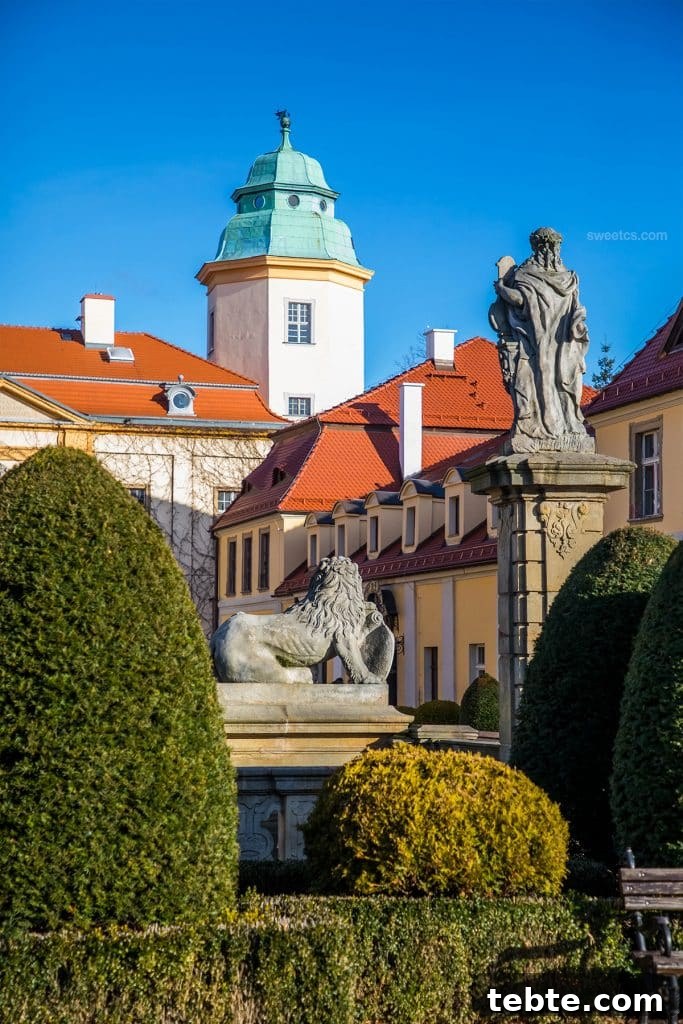
During the Nazi occupation the castle gained a darker reputation. It was rumored to be one of the potential residences for Hitler. As the Red Army approached, valuables were hidden in an extensive underground tunnel network linked to Project Riese. Prisoners from Auschwitz were forced to construct tunnels beneath the Owl Mountains near Ksiaz; some tunnels remain undiscovered and the exact purpose of parts of the complex is still a matter of debate.
Princess Daisy’s personal story adds another layer of fascination. A member of British high society, she became renowned for her lavish lifestyle while married to the Prince of Pless. After their separation, Daisy remained at Ksiaz. During the occupation the Nazis expelled her and attempted to recoup large debts she had accrued. She died in 1943 at a villa in Walbrzych, the town beneath the castle.
Daisy was interred in the castle mausoleum, but her remains were reportedly moved several times by her servants, and the exact location of her final resting place is uncertain. Local lore even claims her spirit still haunts the grounds, adding to Ksiaz’s mystique.

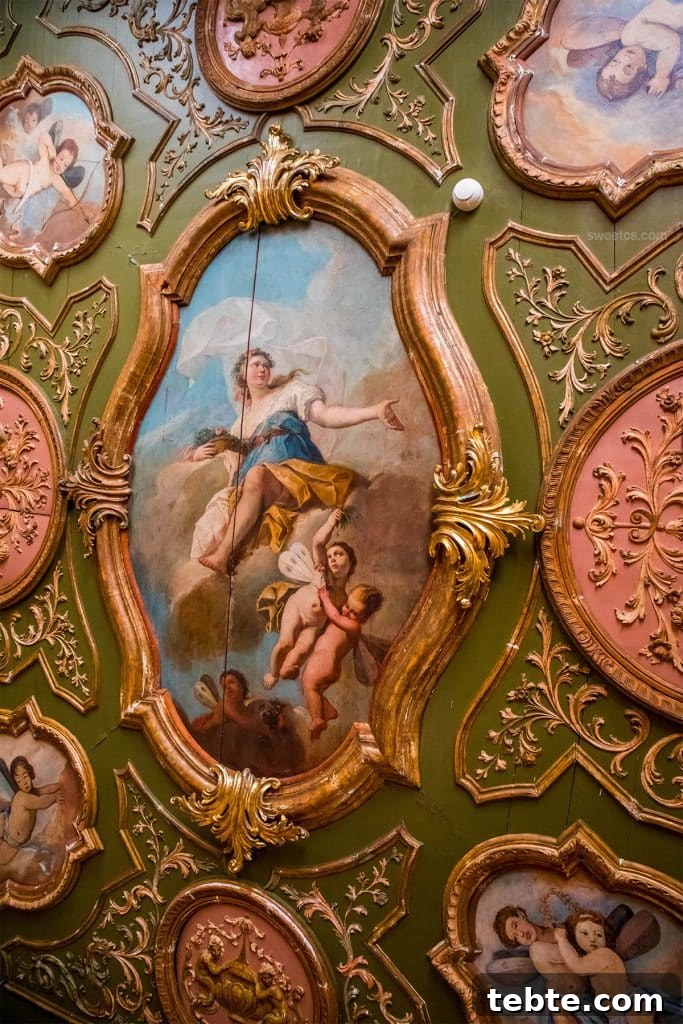
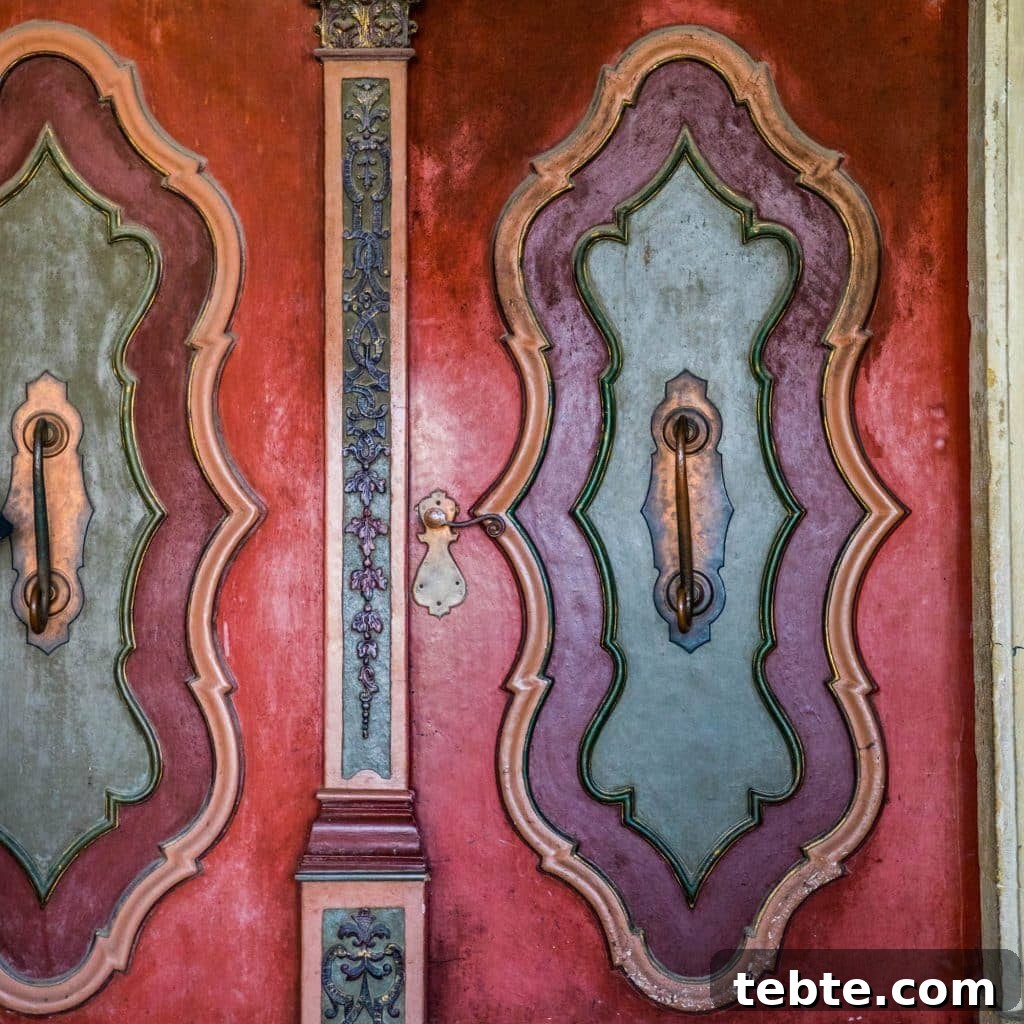
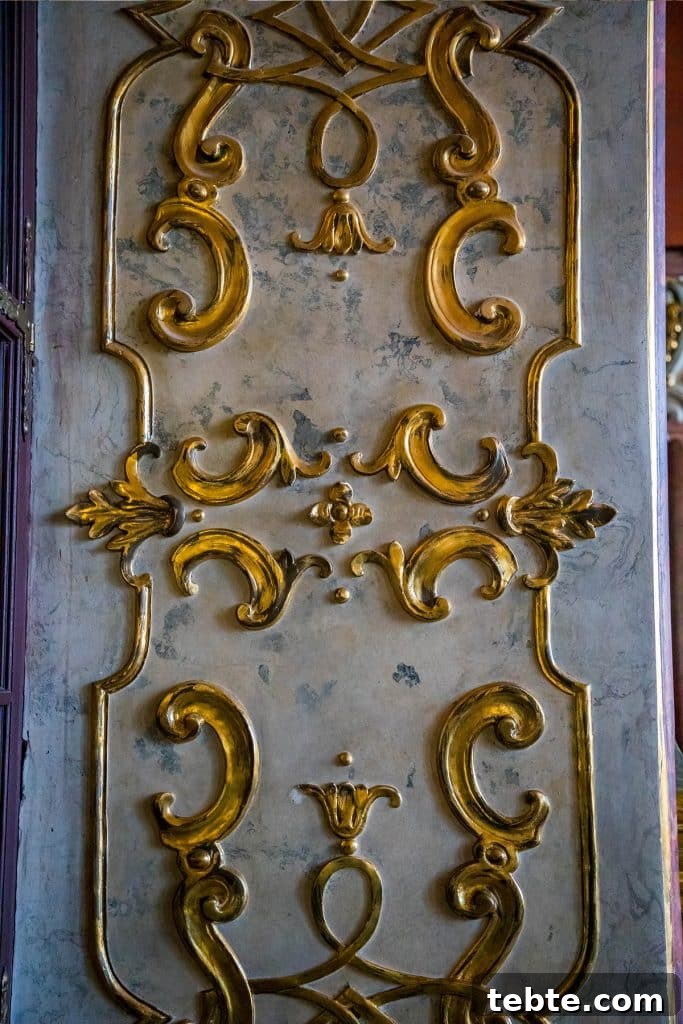
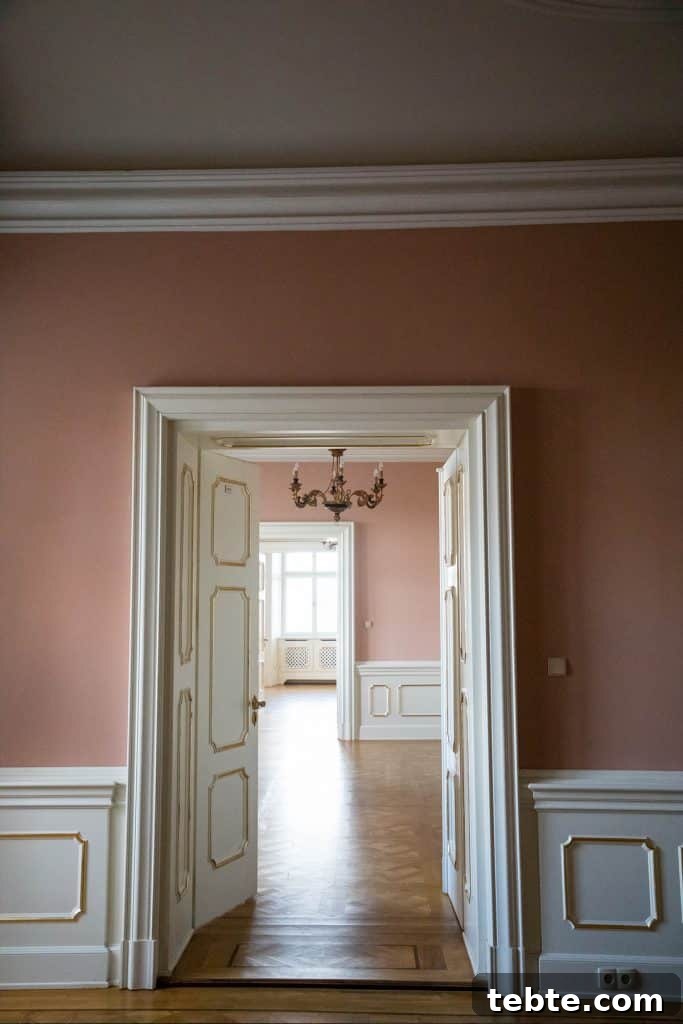
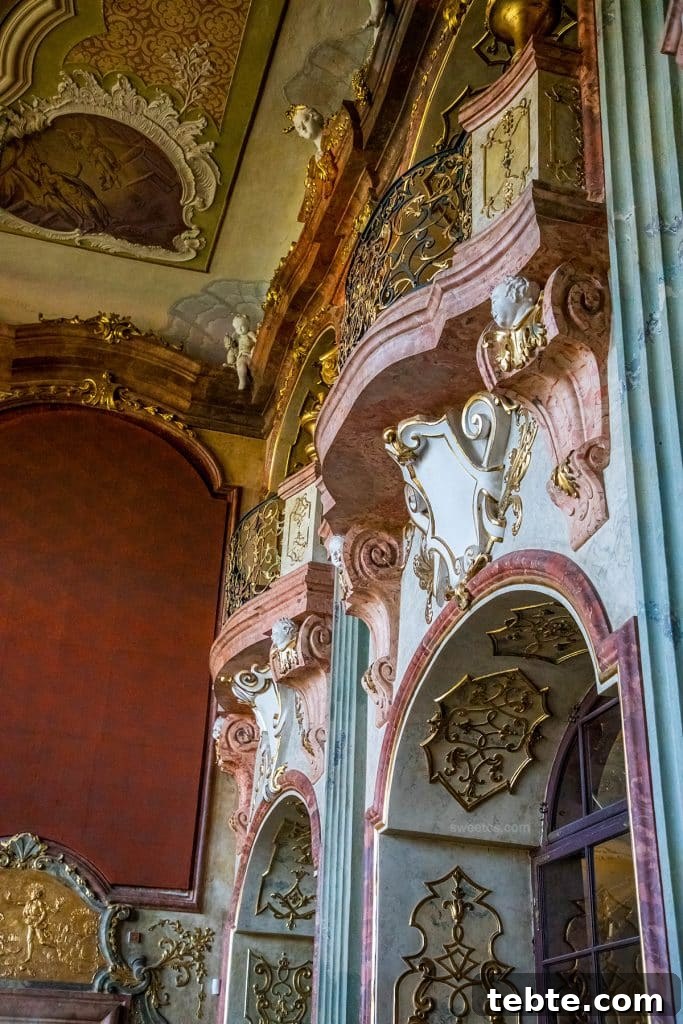
Inside Ksiaz, some rooms are simply finished while others are richly decorated. Intricate flooring, carved woodwork, and ornate ceilings create breathtaking interiors that reward careful exploration.
A self-guided visit is a practical and enjoyable way to experience the castle at your own pace. The WOWPoland app provides audio and text guides that accompany each room and include a dedicated program about Princess Daisy’s life at Ksiaz.
While many signs and some staff provide English information, having someone who speaks Polish can enhance the visit, especially outside major cities. Guided tours in English are available by arrangement, and a staffed desk can help with scheduling.
For an immersive stay, the Hotel Ksiaz sits within the castle courtyard and provides convenient access to the grounds. The hotel’s rooms are spacious, well maintained, and many offer views of the castle or the surrounding nature preserve—ideal for small groups or travelers seeking a historic atmosphere.
The Hotel Ksiaz is just steps from the castle and makes a great base for exploring Walbrzych and the wider region. Rooms with three single beds are available, which is convenient for small groups or families.
Where to Stay, What to Eat, and What to Do:
Getting there:
Walbrzych is roughly a 2.5–3.5 hour drive from Krakow, Dresden, Berlin, or Prague, mainly via highways, making Ksiaz accessible from Germany, the Czech Republic, and other Polish cities. Train connections are also available from these cities at affordable fares, typically requiring a short walk or local bus to reach the castle from town.
Where to Stay: Ksiaz has an on-site hotel ideal for enjoying the peaceful landscape of the surrounding forested preserve. The castle is also about an hour’s drive from the historic and lively city center of Wroclaw.
Hotel Ksiaz – A two-star hotel located in the castle courtyard, offering large rooms and friendly, English-speaking staff at the 24-hour desk. Rooms often include breakfast and start at reasonable rates, making it a practical choice for multi-day visits or evening castle events.
Sofitel Wroclaw – A luxury option in the colorful old town of Wroclaw, about an hour and a half from Walbrzych. The Sofitel features upscale rooms and services for travelers seeking more amenities.
Where to Eat:
The castle hosts two on-site restaurants that serve traditional Polish dishes, including local favorites. Try zurek, a distinctive Polish sour rye soup, for an authentic taste of regional cuisine.
What to Do:
Take a self-guided tour of the castle, the Palm House, and the former mine. The WOWPoland app offers a guided program that highlights Princess Daisy’s story. Beyond the castle, Ksiaz Landscape Park covers more than 12.8 square miles of trails and scenic areas ideal for hiking, photography, and enjoying Poland’s natural beauty.