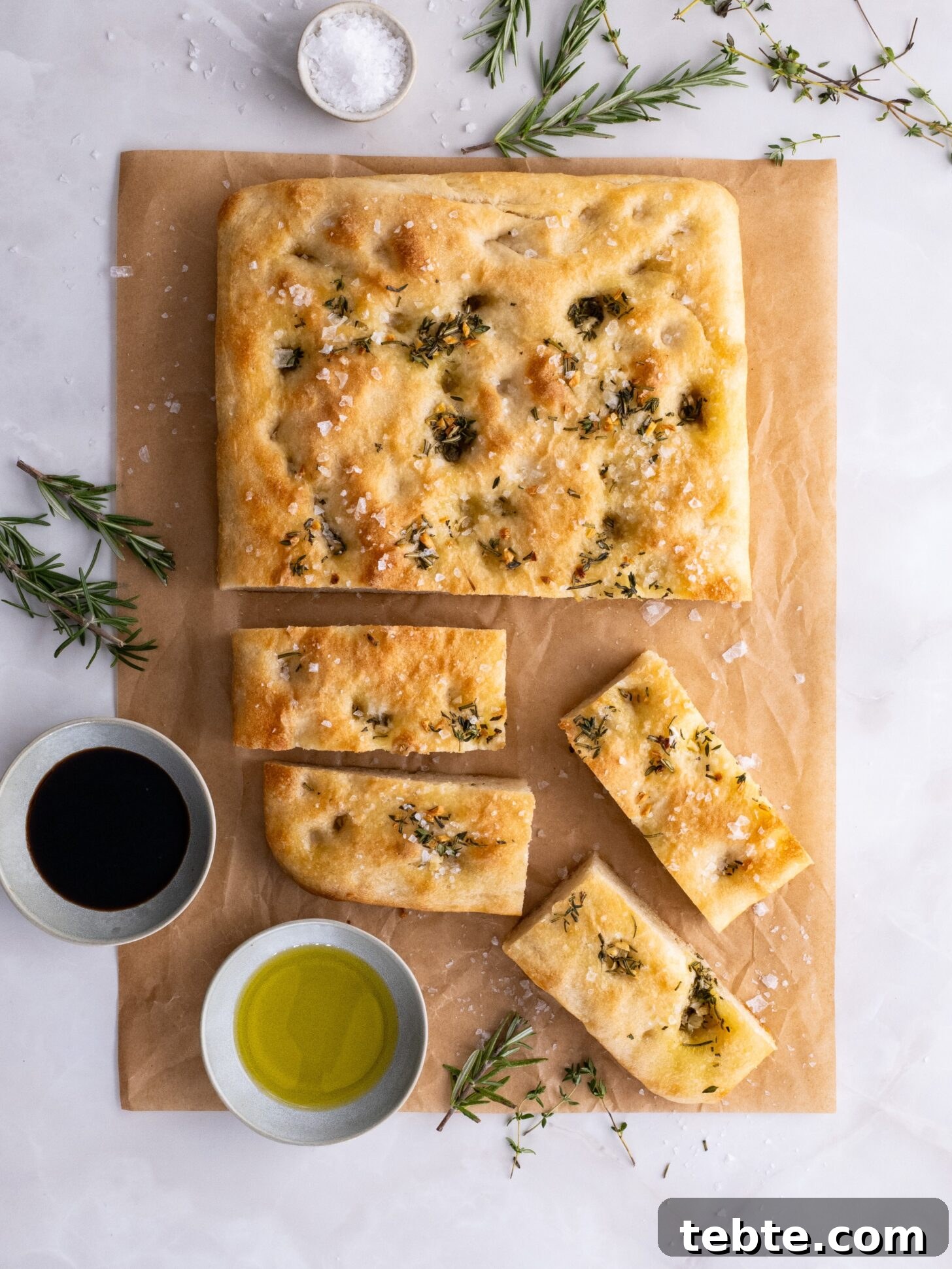
There’s nothing quite like the aroma of freshly baked, yeasty bread filling the kitchen. This garlic and herb focaccia is an approachable recipe for new bakers and a reliable favorite for seasoned bakers. Tear it by hand, dip it in olive oil, or snack straight from the pan while it’s still warm.
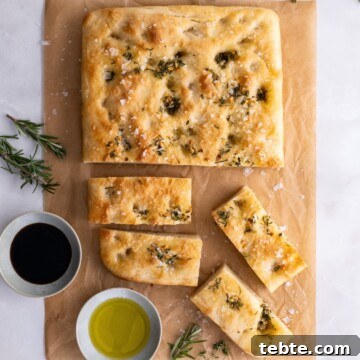
This homemade focaccia pairs beautifully with tomato basil soup or simply with a bowl of olive oil and balsamic vinegar for dipping.
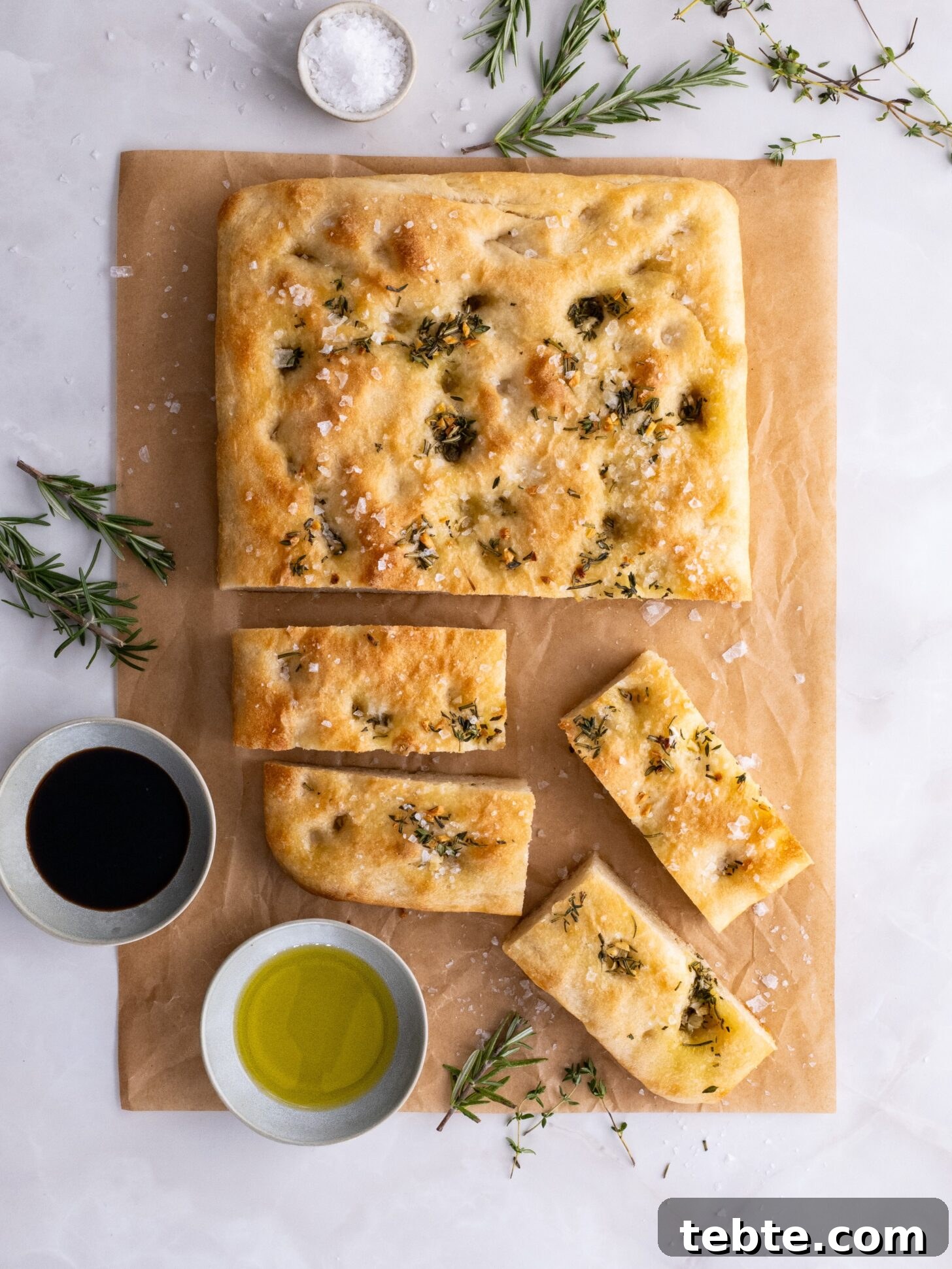
Watch The How-To Video
What Is Focaccia Bread?
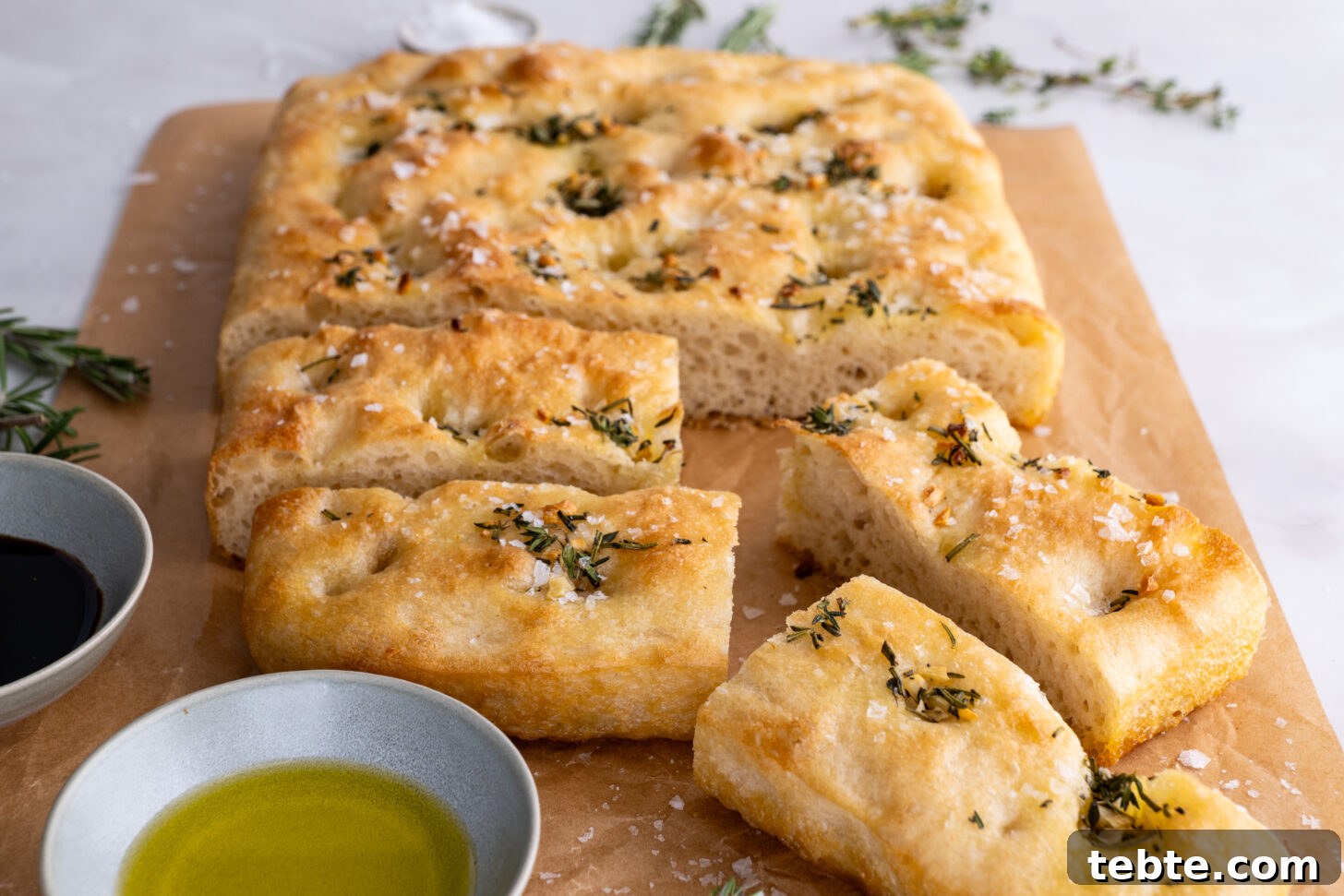
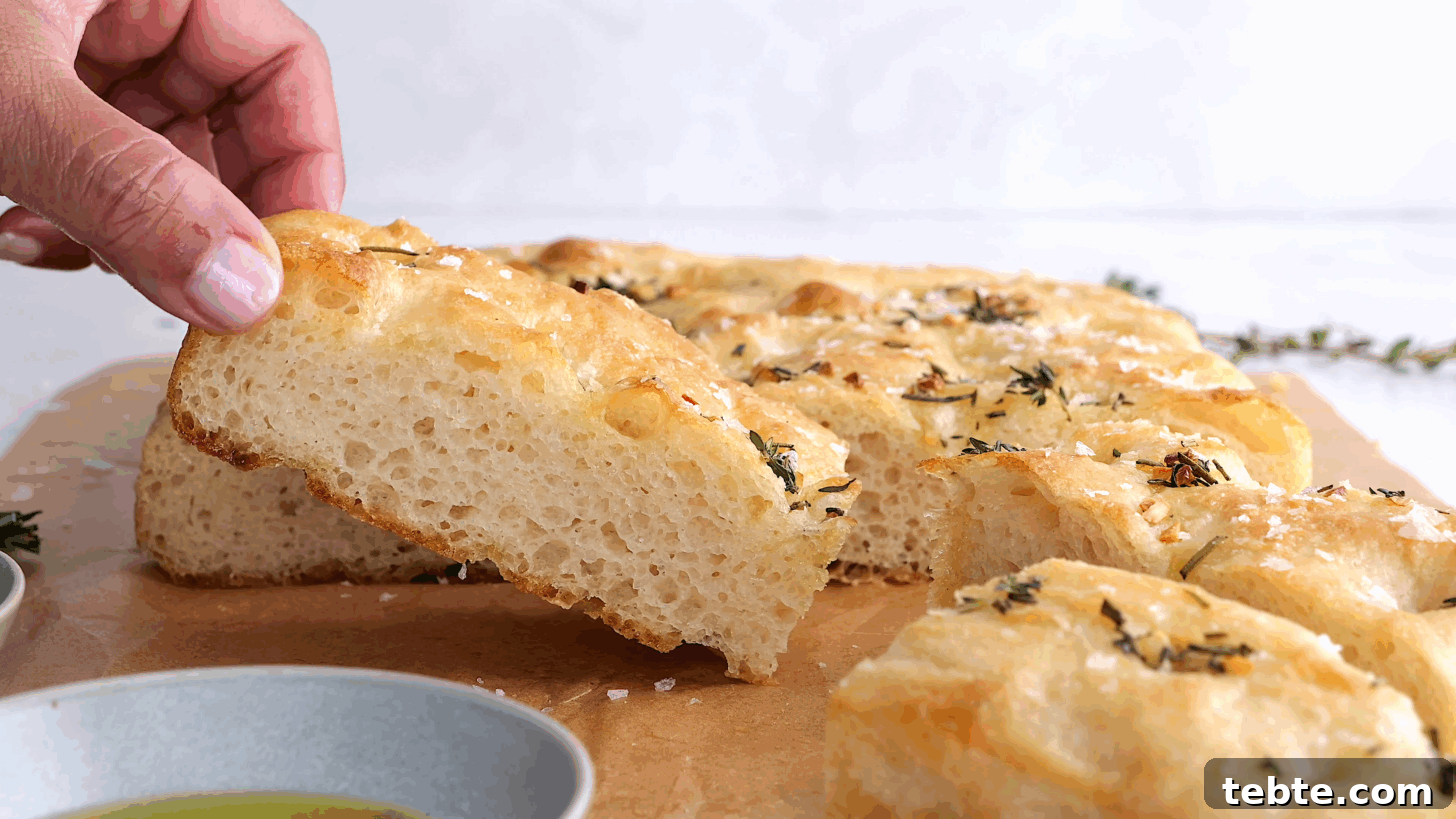
Focaccia is an Italian pan-baked flatbread prized for its light, airy crumb and generous use of olive oil. Baked in a pan rather than shaped into a loaf, it develops the classic flat, dimpled surface. Those dimples trap olive oil and seasonings, keeping the bread moist and adding concentrated pockets of flavor.
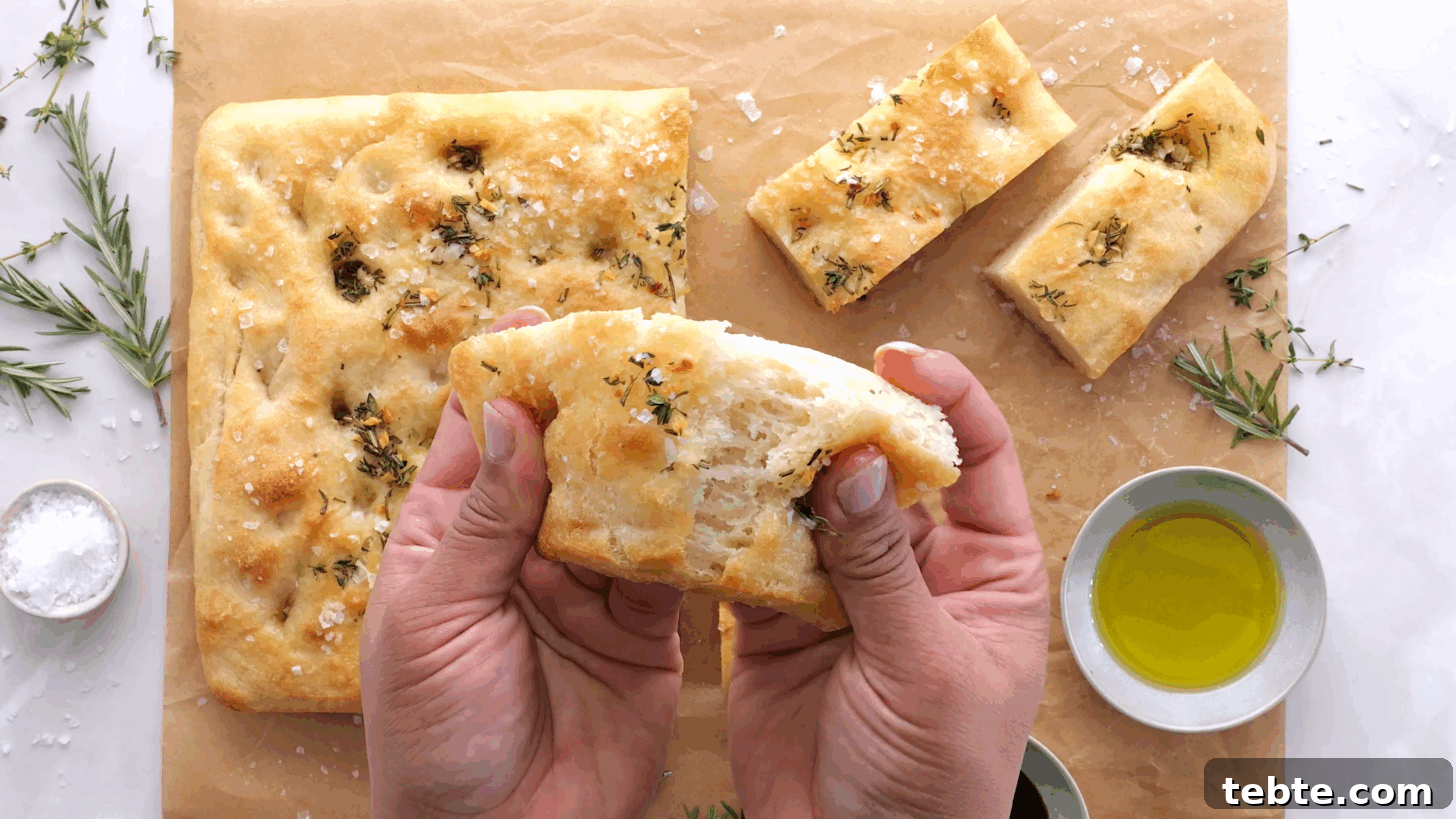
Unlike crusty artisan loaves, focaccia is soft and pillowy inside with a lightly crisp exterior. It’s rich without being heavy and flavorful without complicated techniques.
Focaccia dough is forgiving and typically somewhat sticky, which helps create the large air pockets that define its texture. The recipe is flexible, welcoming a wide range of toppings—garlic and herbs are a classic and delicious choice.
How To Make Focaccia Bread, Step-By-Step
- Activate yeast: In a large bowl or the bowl of a stand mixer, whisk warm water (105–115°F) with honey or sugar. Sprinkle the active dry yeast on top, stir gently, and let sit 5–10 minutes until foamy. If the yeast doesn’t bloom, try a fresh packet.
- Mix dough: Add all-purpose flour and 2 teaspoons sea salt. Using a stand mixer with a dough hook on low, mix until a shaggy dough forms, then increase to medium and mix about 5 minutes more. The dough should be sticky; you can also knead by hand for about 5 minutes on a lightly floured surface.
- First rise: Lightly oil a large bowl with 2 tablespoons olive oil. Scrape the dough into the bowl, turn to coat with oil, cover with a damp towel or plastic wrap, and let rise in a warm spot until doubled, about 1–1.5 hours.
- Prepare the pan: Generously oil a 9×13-inch baking pan with at least 2 tablespoons olive oil. Oil your hands and fold the dough onto itself until you can move it to the pan. Turn it to coat in the pan’s oil, press gently to the edges, let relax, then press again. Cover and rise for 45 minutes. Preheat the oven to 425°F (200°C) when about 15 minutes remain.
- Flavor and dimple: Combine 1–2 tablespoons olive oil with minced garlic, chopped rosemary, and chopped thyme. Using your fingertips, press dimples all over the dough, then drizzle the herb-garlic oil across the surface. Sprinkle flaky sea salt evenly on top.
- Bake: Bake 20–25 minutes until golden brown. Optionally broil for the last minute to crisp the top. Cool slightly, then cut into squares or strips and serve warm.
What Makes Great Focaccia Bread?
Great focaccia balances a tender crumb with a lightly crisp crust, vibrant olive oil flavor, and a moist interior. A few key factors produce that result.
Olive oil matters
Use a good extra virgin olive oil. Olive oil keeps the dough moist, helps develop a golden crust, and imparts rich flavor. It’s applied at multiple stages—coating the dough, lining the pan, and drizzled on top—to create the characteristic texture and taste.
Hydration is key
Focaccia dough is wetter than many bread doughs. Higher hydration encourages large air pockets and a tender crumb. Resist adding too much flour; sticky dough is normal. Oil your hands when needed and trust the process.
Time builds flavor
Proper rising time allows yeast to develop flavor and structure. A longer or slower fermentation improves taste and texture; many bakers refrigerate the dough overnight after the first rise for deeper flavor.
Why Focaccia Bread Is Perfect for Beginners
Focaccia is ideal for beginners because it doesn’t require shaping or advanced techniques. The dough is forgiving, mistakes are easy to recover from, and the pan-baked format removes the need to create surface tension or transfer loaves to a baking surface.
The Importance of Dimples
Dimples aren’t just decorative. Pressing fingertips into the dough redistributes air pockets and prevents overly aggressive oven spring. The indentations form wells for oil and herbs, concentrating flavor and promoting even baking. Press firmly and confidently when dimpling.
Flavor Variations to Try
Focaccia lends itself to many toppings. Beyond garlic and herbs, try caramelized onions, cherry tomatoes, olives, or grated Parmesan. Different herbs—sage, oregano, or an Italian herb blend—change the profile nicely. Use seasonal toppings like roasted squash in fall or fresh basil and tomatoes in summer.
Serving Ideas for Focaccia Bread
Serve warm as an appetizer with olive oil and balsamic for dipping, or pair with soups, stews, and salads. Slice horizontally for sandwiches, toast leftovers for paninis, or cube and bake for crunchy croutons.
Storage and Reheating Tips
- Enjoy focaccia the day it’s baked for the best texture.
- Store at room temperature in an airtight container up to two days. Avoid refrigeration, which dries the bread.
- Freeze sliced focaccia for longer storage; reheat slices in the oven to restore crispness.
- Always prefer a quick oven warm-up over the microwave to avoid chewiness.
Common Mistakes and How to Avoid Them
- Using water that’s too hot can kill yeast—aim for warm, not hot.
- Adding too much flour yields dense bread—sticky dough is expected.
- Not using enough olive oil can result in dry focaccia—use the oil generously.
- Rushing rises reduces flavor and negatively affects texture—allow adequate time.
What To Make With Garlic and Herb Focaccia Bread
If you enjoy this Garlic and Herb Focaccia, please leave a rating in the recipe card and share your thoughts in the comments.
Follow the recipe author on social media to see more recipes and tips.
Also, don’t forget to sign up for email! Weekly emails include the latest recipes, DIYs, exclusive email-only giveaways, and more.
Garlic and Herb Focaccia Bread
Pin Recipe
Leave a Review
Ingredients
- 1 ¾ cups warm water (105–115°F)
- 2 teaspoons honey or cane sugar
- 1 (¼ ounce) package active dry yeast (2¼ teaspoons)
- 4 cups all-purpose flour, spooned and leveled
- 2 teaspoons sea salt
- 6–7 tablespoons extra virgin olive oil
- 2–3 cloves minced garlic
- 1 tablespoon chopped fresh rosemary (or 1 teaspoon dried)
- 1 tablespoon chopped fresh thyme (or 1 teaspoon dried)
- Flaky sea salt for sprinkling
Equipment
- Large bowl
- Stand mixer (optional)
- Spatula or cooking spoon
- 9×13-inch baking pan
Instructions
- Activate Yeast: Whisk warm water with honey or sugar, sprinkle yeast on top, stir gently, and wait 5–10 minutes until foamy.
- Mix Dough: Add flour and 2 teaspoons sea salt. Mix with a dough hook on low until shaggy, then medium for 5 minutes, or knead by hand about 5 minutes. The dough should be sticky.
- First Rise: Lightly oil a bowl with 2 tablespoons olive oil, transfer and coat the dough, cover, and let rise in a warm place until doubled, about 1–1.5 hours.
- Prepare Pan: Oil a 9×13-inch pan generously. Oil your hands, fold the dough until movable, transfer to the pan, press to the edges, cover, and rise 45 minutes. Preheat oven to 425°F (200°C) about 15 minutes before baking.
- Flavor & Dimple: Mix 1–2 tablespoons olive oil with garlic, rosemary, and thyme. Press dimples all over, drizzle the herb oil, and sprinkle flaky sea salt.
- Bake: Bake 20–25 minutes until golden. Broil briefly if you want extra crispness. Cool slightly, slice, and serve warm.
Notes
- Use warm—not hot—water to activate yeast; too-hot water will kill it.
- A good extra virgin olive oil elevates the focaccia—don’t be stingy with it.
- For extra crunch, brush a little olive oil on top before baking.
- Flavor variations: caramelized onions, cherry tomatoes, olives, or Parmesan.
- Make ahead: Refrigerate dough overnight after the first rise and bring to room temperature before pressing into the pan.
Nutritional information is approximate and will vary based on ingredients and preparation.