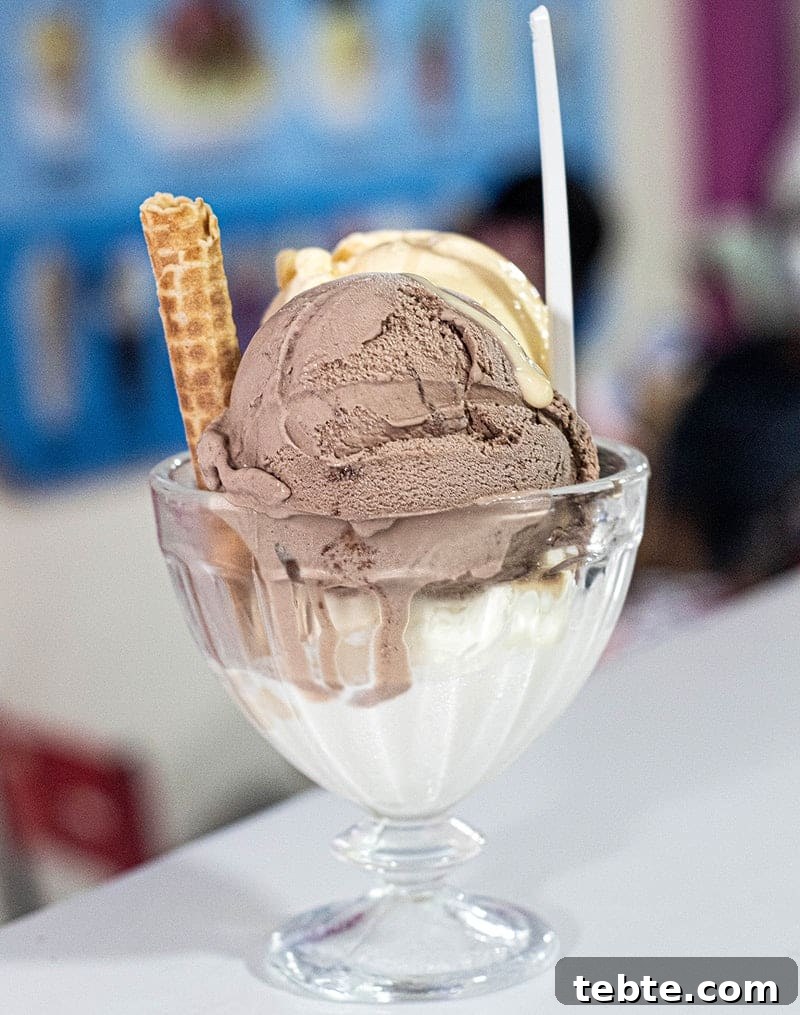
Ice cream delights because simple, high-quality ingredients—milk, cream, sugar, eggs, and flavorings—combine into a silky, satisfying treat. Watching those basic elements transform into bold, memorable flavors feels like discovering a delicious secret. Each spoonful offers a cold, sweet balance of texture and taste that turns a small moment into a minor celebration. Whether you love sweets or want to impress with homemade desserts, understanding ice cream’s fundamentals makes the process more rewarding. Read on to learn why this classic frozen dessert remains endlessly appealing.
There are eight primary bases to know when making ice cream, and each yields a distinct texture and flavor:
1. The Custard Base
2. The Philadelphia-Style Base
3. The Egg-Free Base
4. The No-Churn Base
5. The Vegan Base
6. The Sorbet Base
7. The Gelato Base
8. The Base for Ice Cream Cakes
Choosing the right base matters because each produces a different final product, from ultra-creamy gelato to light, fruit-forward sorbet.
The Custard Base: This classic base produces a rich, creamy texture thanks to whole milk, cream, sugar, eggs, and vanilla or other flavorings. The cooked egg mixture builds body and smoothness, yielding a dense, indulgent ice cream.
The Philadelphia-Style Base: Simpler than custard, the Philadelphia-style base omits eggs, relying on milk, cream, sugar, and vanilla. The result is lighter in texture and quicker to prepare while still creamy and satisfying.
The Egg-Free Base: For those avoiding eggs or wanting a lighter profile, egg-free recipes use a starch thickener—commonly cornstarch—instead of eggs. Combine milk, cream, sugar, cornstarch, and vanilla to achieve a stable, smooth ice cream without eggs.
The No-Churn Base: Ideal when you don’t have an ice cream maker, no-churn ice cream typically blends heavy cream with sweetened condensed milk and vanilla. Whipping air into the mixture creates volume and a pleasing scoopable texture.
The Vegan Base: Made without dairy, vegan bases often use coconut milk or other plant-based milks, combined with sugar, a thickener like cornstarch, and vanilla. Properly balanced, they deliver rich flavor and creamy mouthfeel without lactose or animal products.
The Sorbet Base: Sorbet contains no dairy or eggs and highlights fruit flavors. It’s built from fruit juice or puree, sugar, and a touch of lemon juice to brighten the profile. The focus is clarity of flavor and a refreshing, icy texture.
The Gelato Base: Gelato resembles custard but uses a higher proportion of milk to cream and often less air is incorporated during freezing. This produces a denser, more intense flavor profile. Typical ingredients include milk, a smaller amount of cream, sugar, eggs, and flavorings.
The Base for Ice Cream Cakes: For frozen cakes that need structure, a custard-style base may be reinforced with gelatin so the cake holds its shape when sliced. Ingredients can include milk, cream, eggs, sugar, gelatin, and flavorings.
Understanding the role of a base helps you match technique to outcome. Whether you want creamy richness, lightness, or a dairy-free option, the base determines texture, stability, and flavor delivery.
In culinary terms, a “base” also refers more broadly to thickeners and foundations used in sauces, soups, and other liquid preparations. These components give body, help emulsions stay stable, and improve how a sauce clings to food. Common sauce bases include roux, slurry, beurre manié, and velouté.
Roux: A roux is a cooked blend of equal parts flour and fat used to thicken sauces. It’s cooked over low heat until the flour loses its raw taste and the mixture forms a smooth paste. The type of fat—clarified butter for pale sauces or bacon fat for richer brown sauces—affects both flavor and color.
Slurry: A slurry mixes a liquid with starch—such as cornstarch, arrowroot, potato starch, or tapioca—to thicken sauces and soups. It’s whisked until smooth and added near the end of cooking to prevent cloudiness and to quickly reach the desired consistency.
Beurre Manié: Beurre manié is a kneaded blend of equal parts flour and butter. Rather than cooking the flour first, you add small pieces of beurre manié to a hot sauce and whisk them in to gently thicken and smooth the final sauce.
Velouté: Velouté is a classic French sauce made with a light stock and a blonde roux. It’s one of the five mother sauces and serves as a foundation for many other sauces. Common bases for velouté include chicken, veal, or fish stock.
When making ice cream, eight essential elements shape the final product: milk, cream, sugar, eggs, flavoring, air, butterfat, and emulsifiers. Each element plays a specific role:
Milk provides the liquid base, protein, and calcium and contributes to a smooth texture. Cream adds richness, body, and fat needed for a luxurious mouthfeel. Sugar sweetens the mixture and lowers freezing point to prevent large ice crystals. Eggs thicken and add richness in custard-based recipes. Flavorings—from fruit to chocolate to extracts—define the ice cream’s personality. Air, introduced during churning or whipping, lightens texture and reduces density. Butterfat contributes flavor and helps control melting. Emulsifiers stabilize fat and water components, ensuring a consistent, creamy texture.
By understanding these bases and components, you can create a wide range of ice creams—from dense, flavor-forward gelato to refreshing sorbet or a structured ice cream cake. Experiment with recipes and techniques to discover the combinations that suit your taste and desired texture.