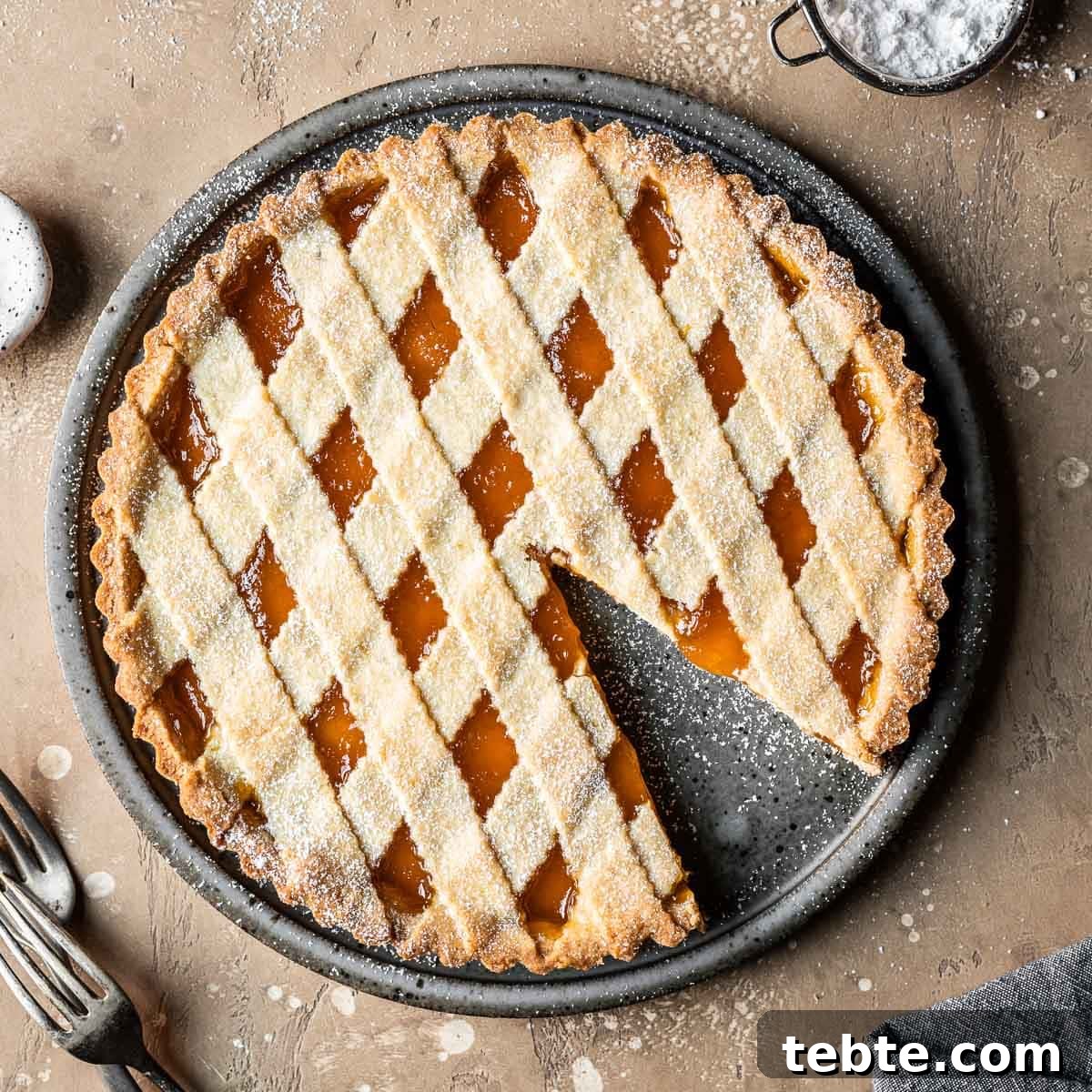
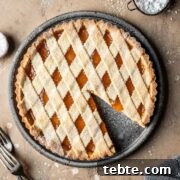
This crostata di marmellata (Italian jam tart) features a tender, buttery shortcrust pastry and a sweet, flavorful apricot jam filling. For convenience I use good-quality store-bought jam, but homemade preserves work equally well. The dough is easy to work with and makes a simple lattice top—no intricate weaving required.
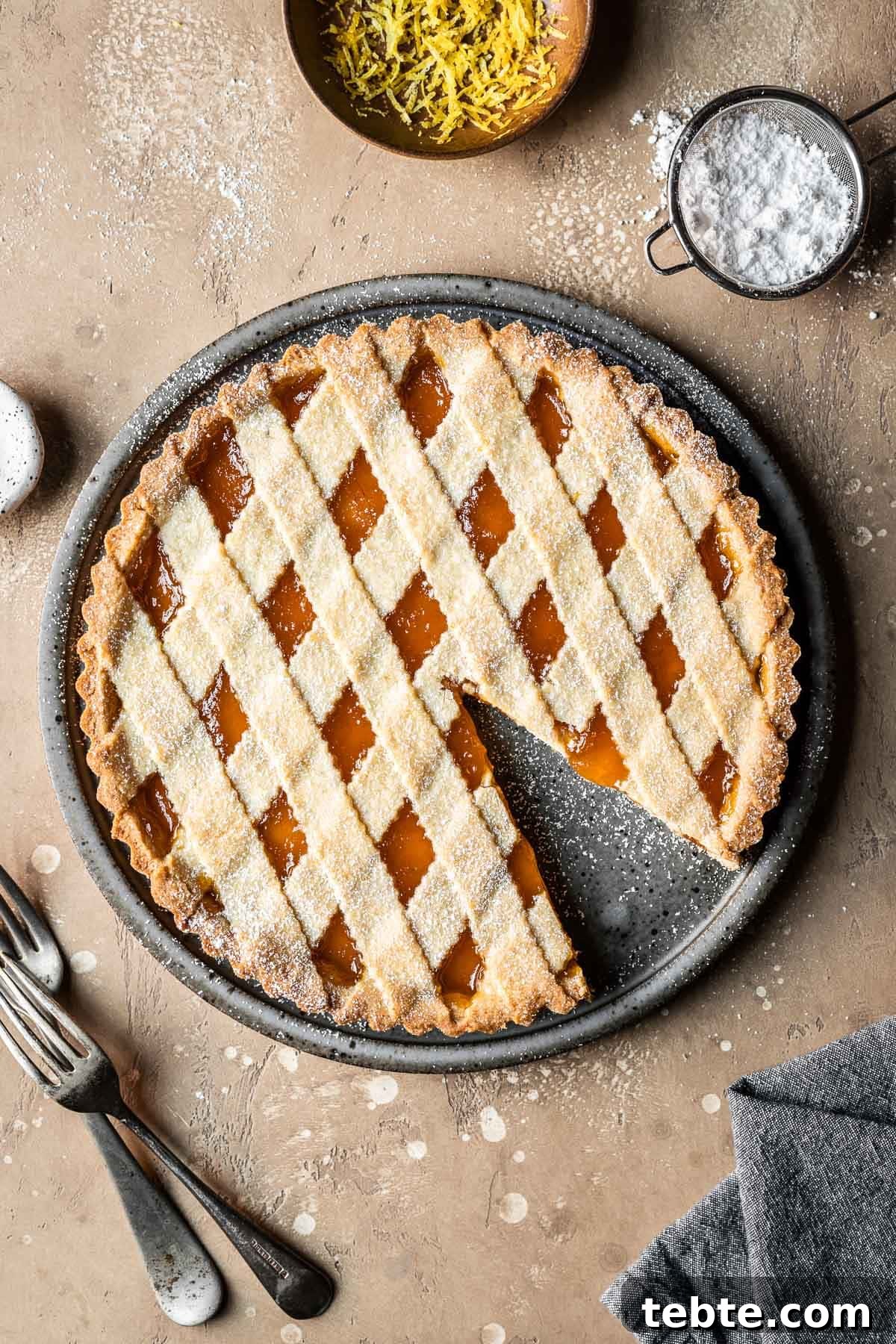
Crostata di marmellata is a rustic dessert enjoyed across Italy. The pastry here is pasta frolla, a sweet, buttery shortcrust made with a touch of baking powder to keep the texture light and slightly soft. Pasta frolla is versatile and forgiving, rolling and holding its shape beautifully for tarts and cookies.
While apricot jam is a classic choice, Italian crostata recipes traditionally use whatever fruit is in season—peach, cherry, plum, fig, and more. Because this tart is great year-round, a well-made store jam is a practical option. When shopping, look for jams with few ingredients (fruit, sugar, pectin, and a bit of lemon juice) and moderate sweetness.
This crostata is an excellent, no-fuss dessert for coffee gatherings, brunches, or dinner parties. The finished tart looks elegant but is straightforward to prepare.
Ingredients
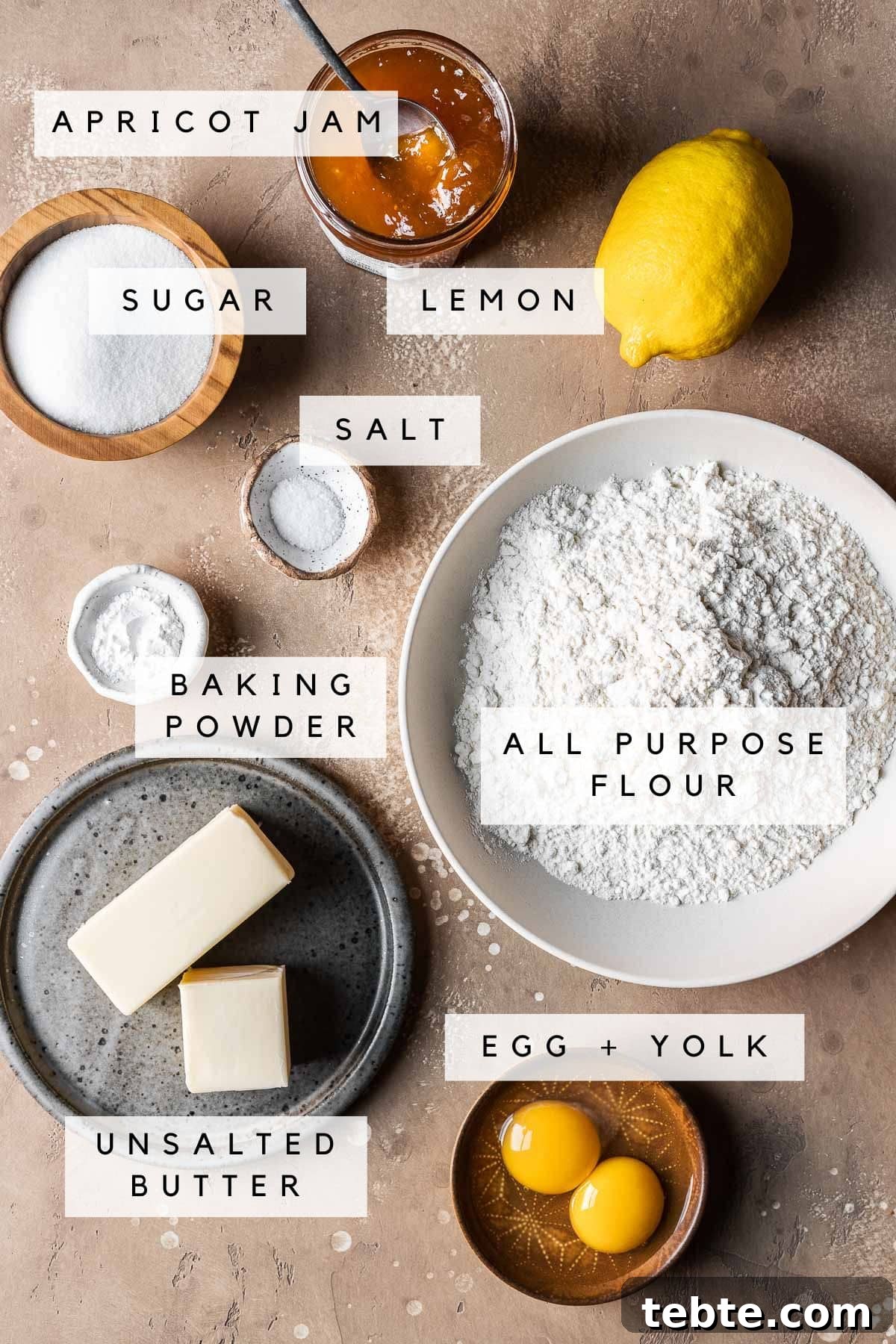
* See recipe card below for full ingredient list and exact quantities.
Unsalted butter – Use unsalted butter at room temperature so you control the salt level in the dough.
Lemon zest – Fresh lemon zest brightens the dough with fragrant citrus notes.
Baking powder – A small amount lightens the pasta frolla for a slightly softer bite.
Eggs – Use large eggs at room temperature to bring the dough together.
Apricot jam – A good-quality apricot jam is traditional; substitute any favorite jam if you prefer. This recipe uses roughly a 370 g (13 oz) jar, but 340–450 g (12–16 oz) will also work.
Instructions
The tart is built from a simple pasta frolla dough and a jar of jam. The steps below summarize the process—refer to the recipe card for exact measurements and timing.
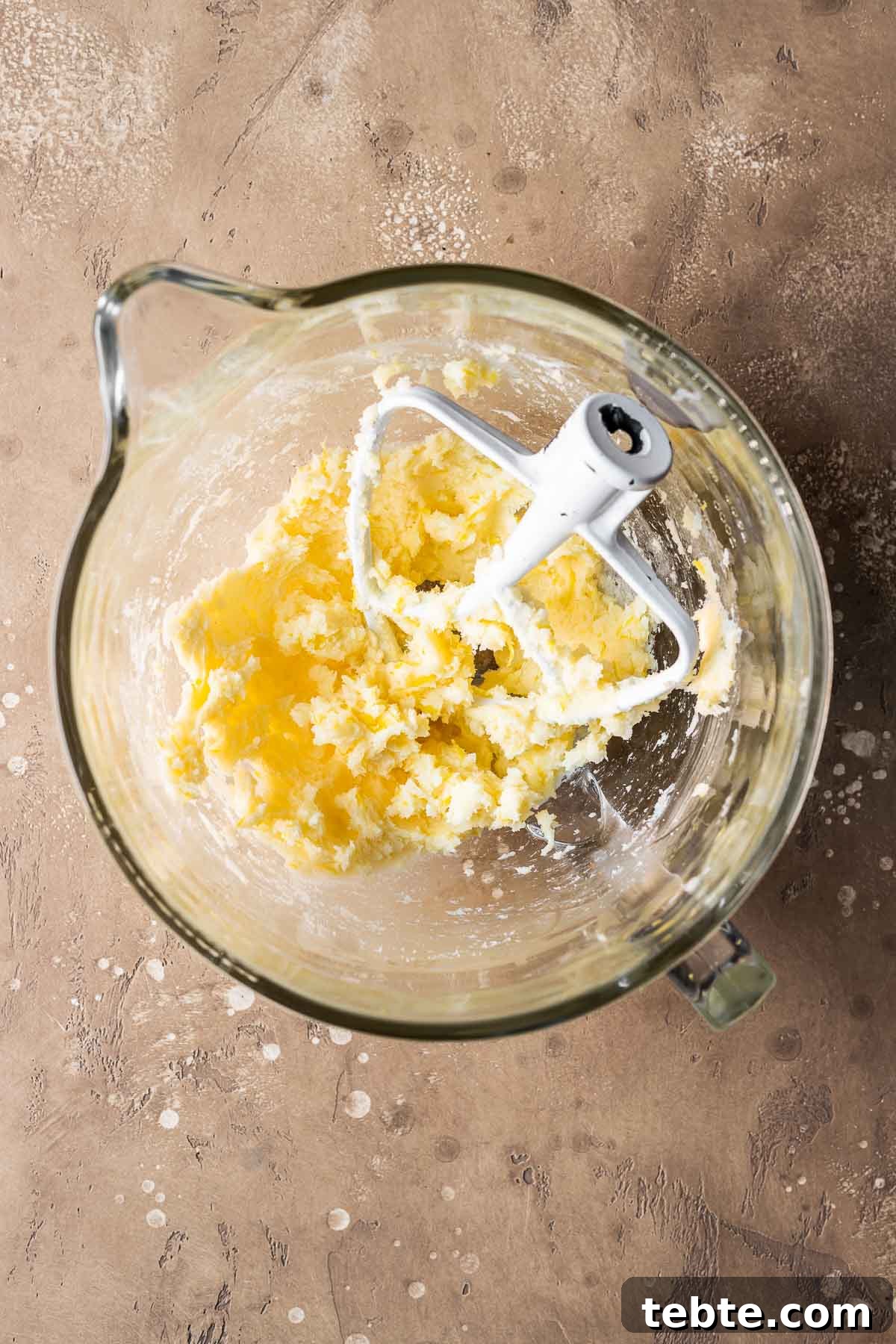
Beat butter and sugar until creamy, then mix in lemon zest.
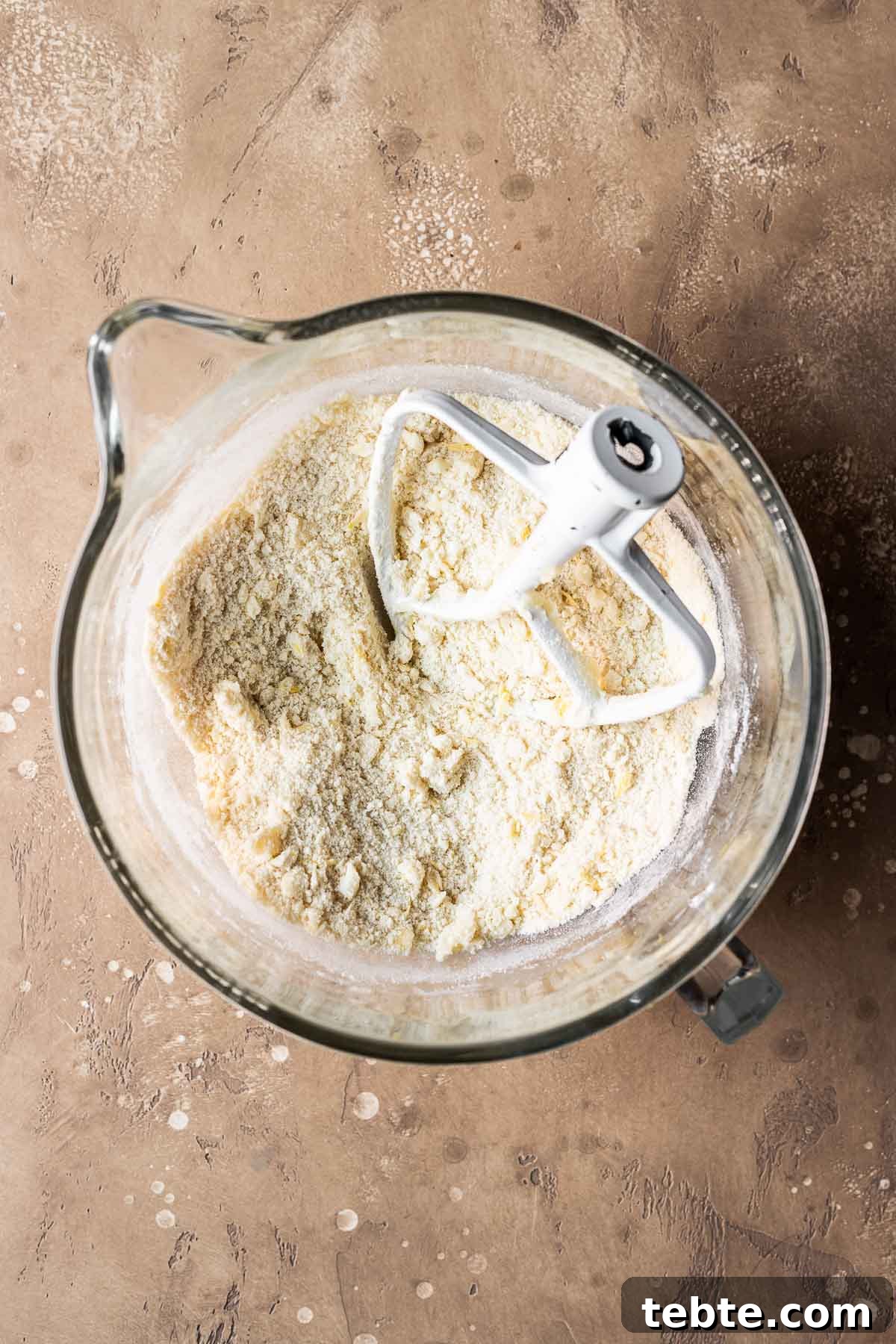
Add flour, salt, and baking powder and mix on low until the mixture looks like fine sand.
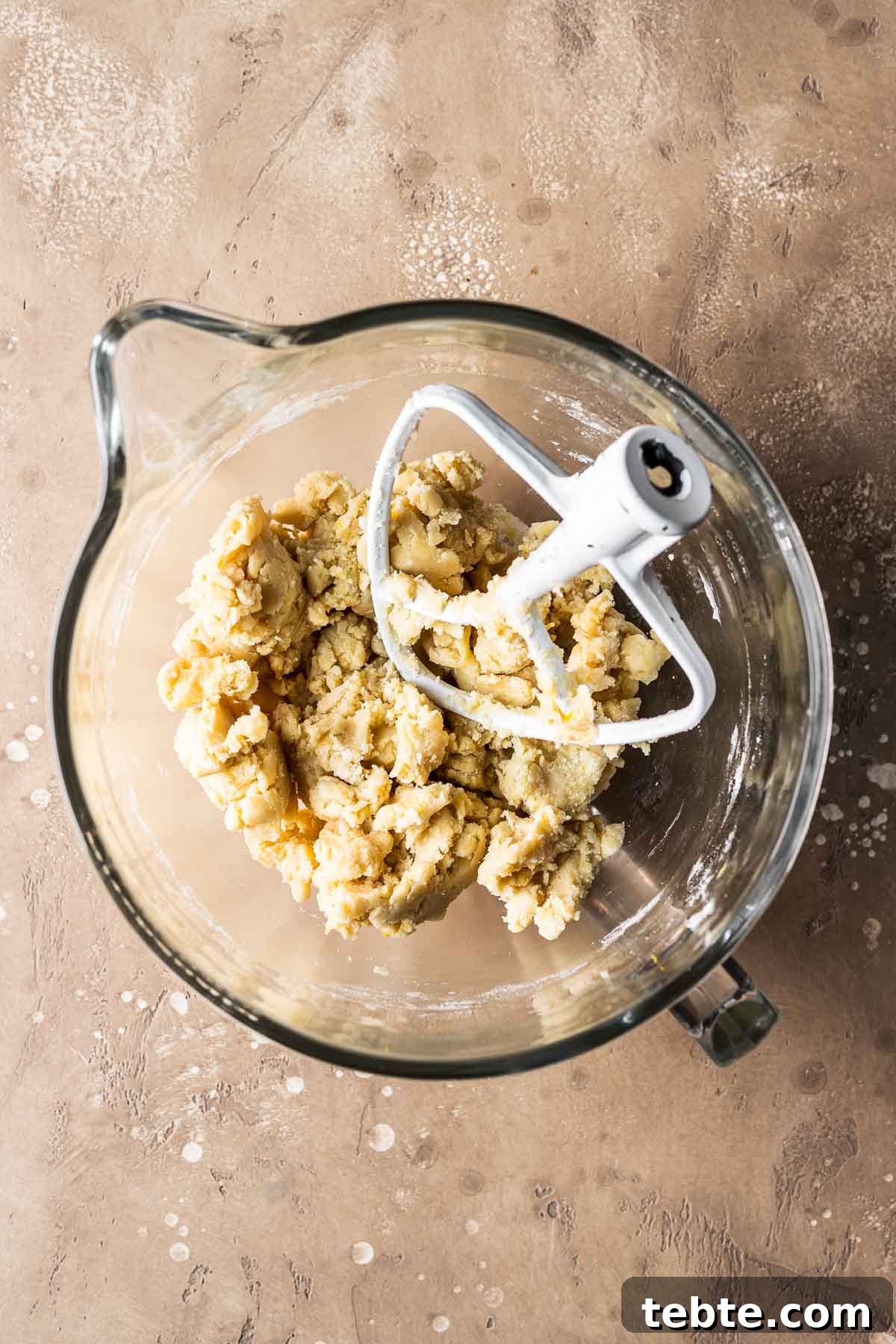
Add the egg and egg yolk and mix just until the dough comes together—avoid overmixing.
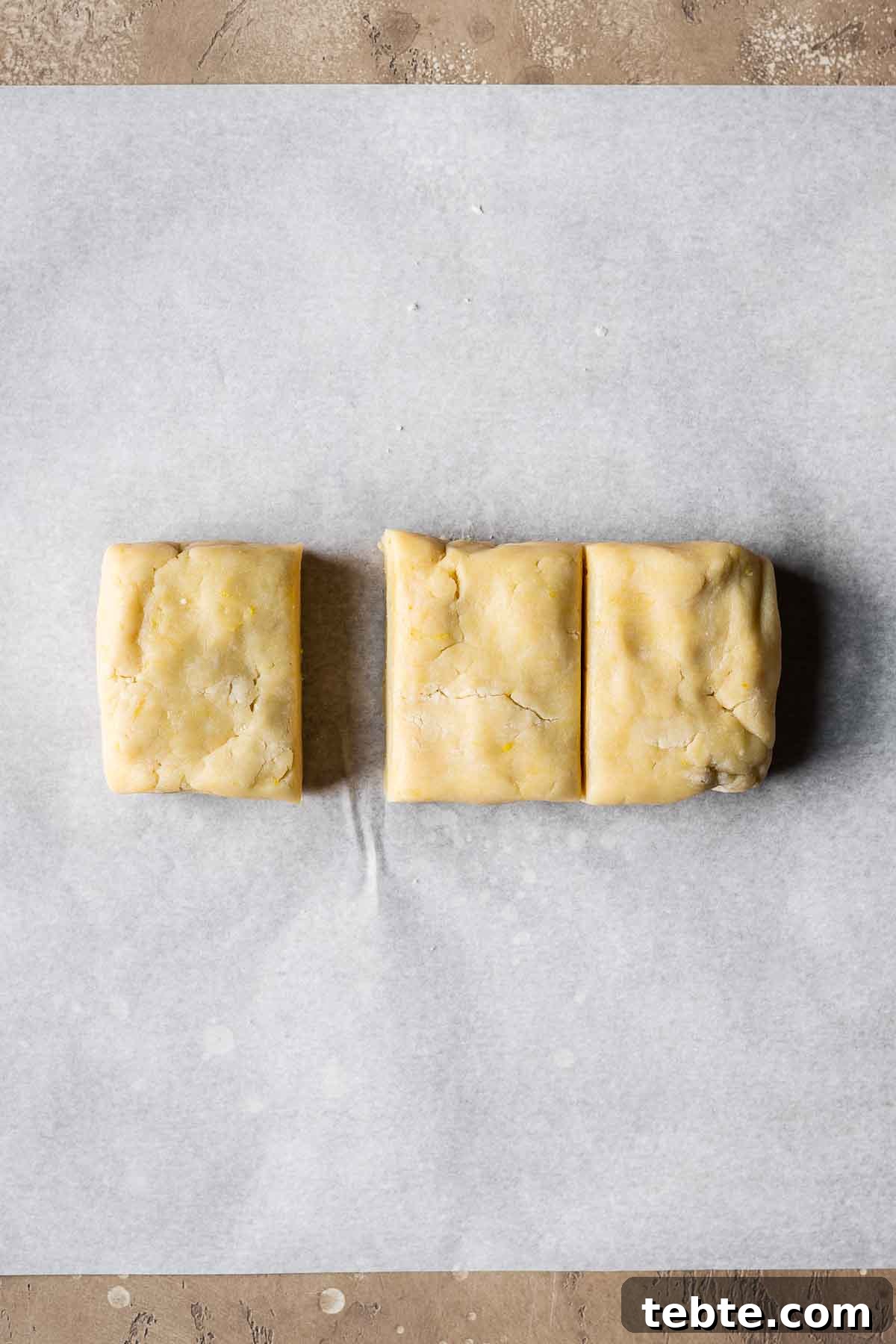
Gather the dough into a rectangle and divide it into two portions: one about 2/3 for the base and one about 1/3 for the lattice. Flatten each into discs and chill.
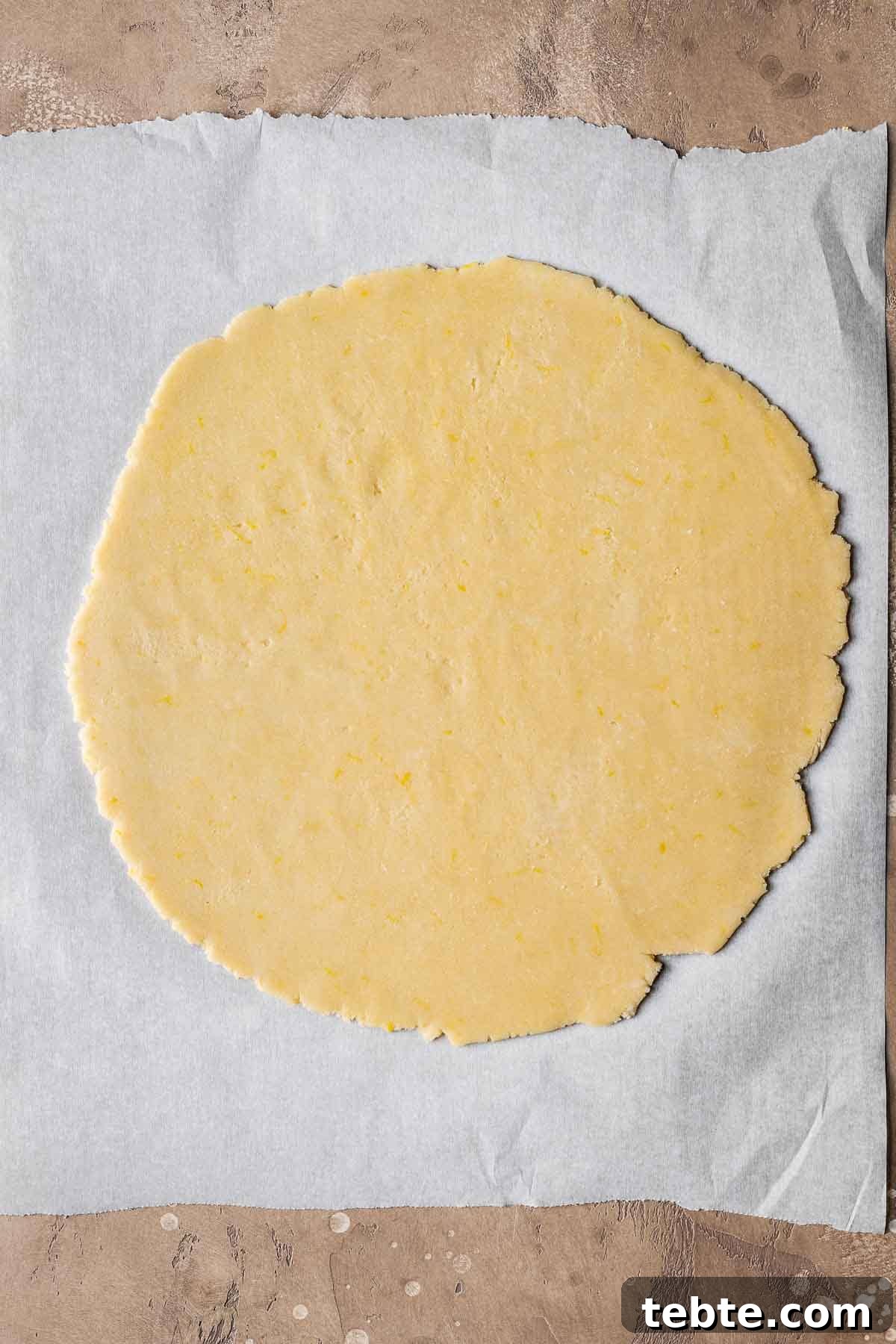
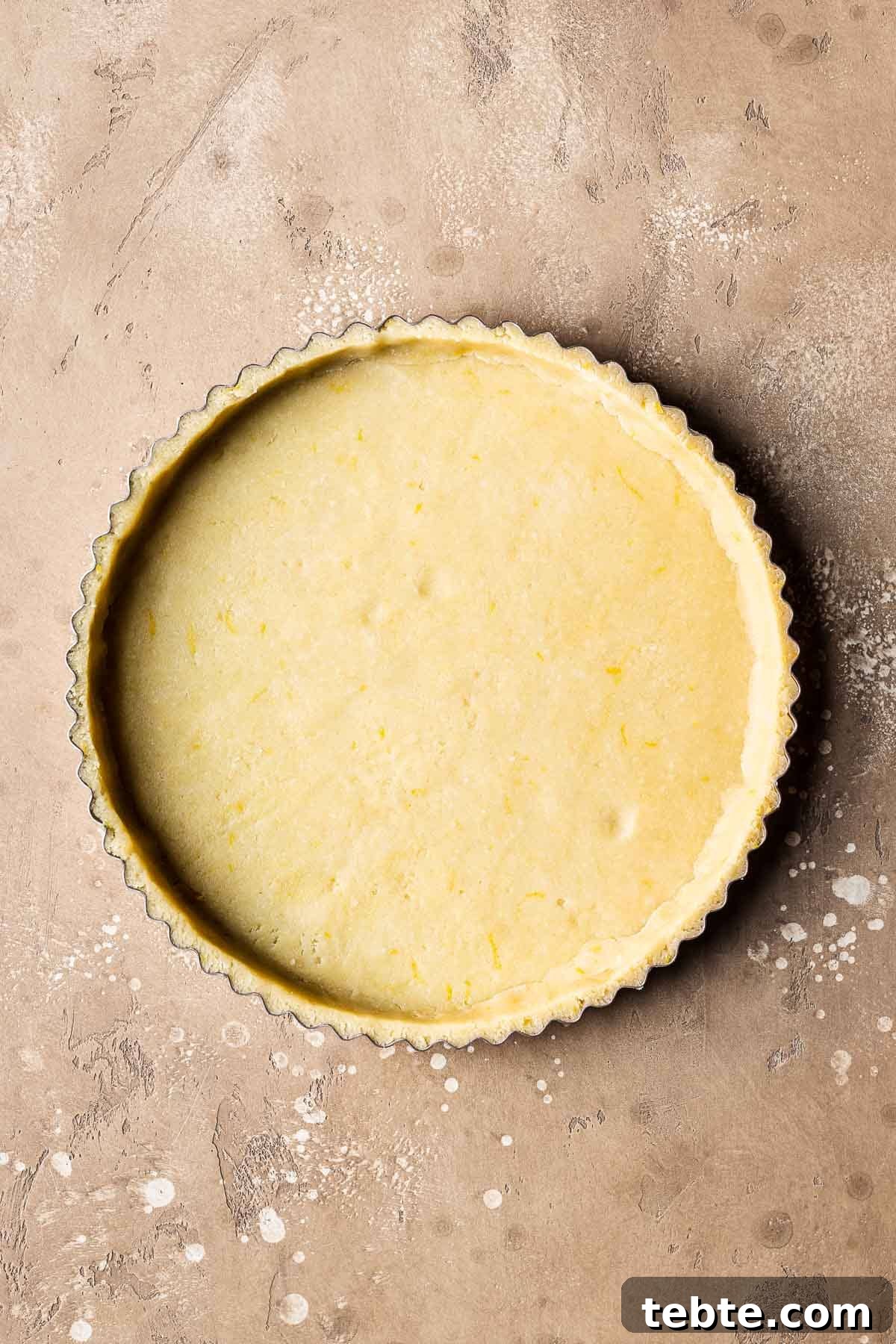
Roll out the larger disc between parchment to about 1/8″ (3 mm) thickness. Transfer it to the tart pan, press into the edges, and trim the excess. Chill in the refrigerator for at least 30 minutes.
Combine scraps with the reserved third of dough, roll it between parchment, and chill on a sheet pan.
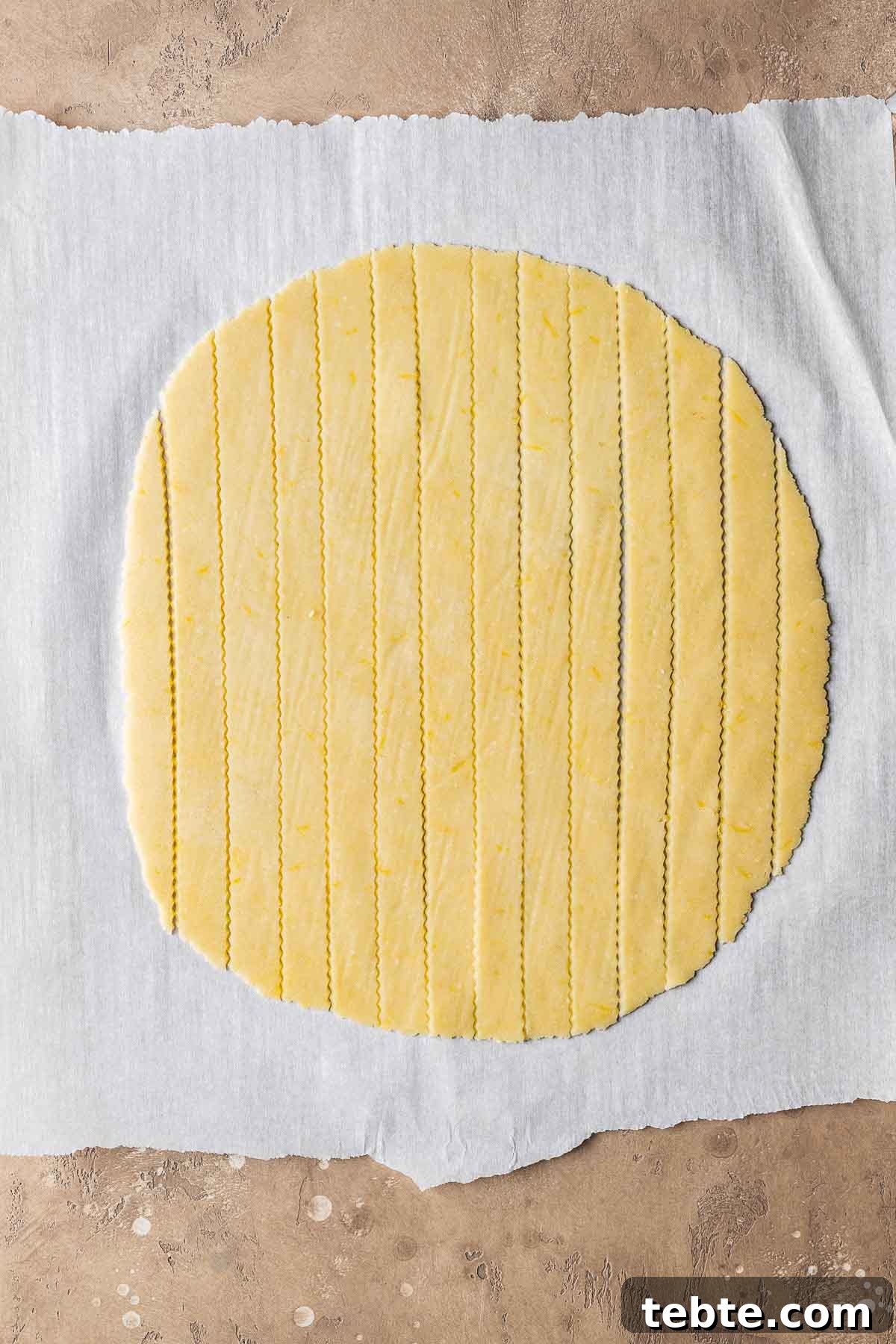
After chilling, cut the rolled dough into long strips about 3/4″ (2 cm) wide. Keep the strips chilled until assembly.
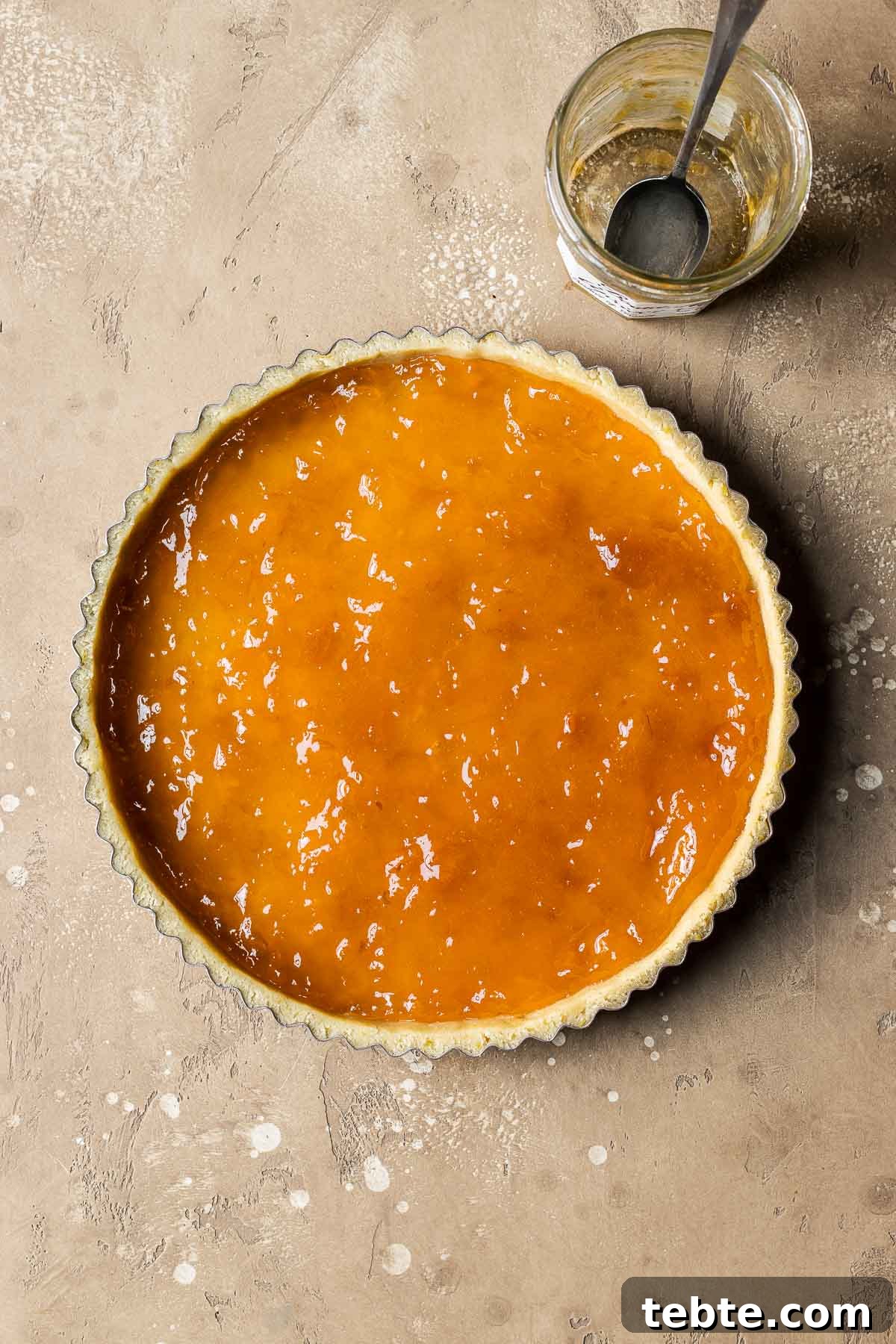
Fill the chilled tart shell with jam and smooth the surface.
When cutting lattice, work with well-chilled dough. Cut the strips after rolling, then return them to the refrigerator so they stay firm while you assemble the tart.
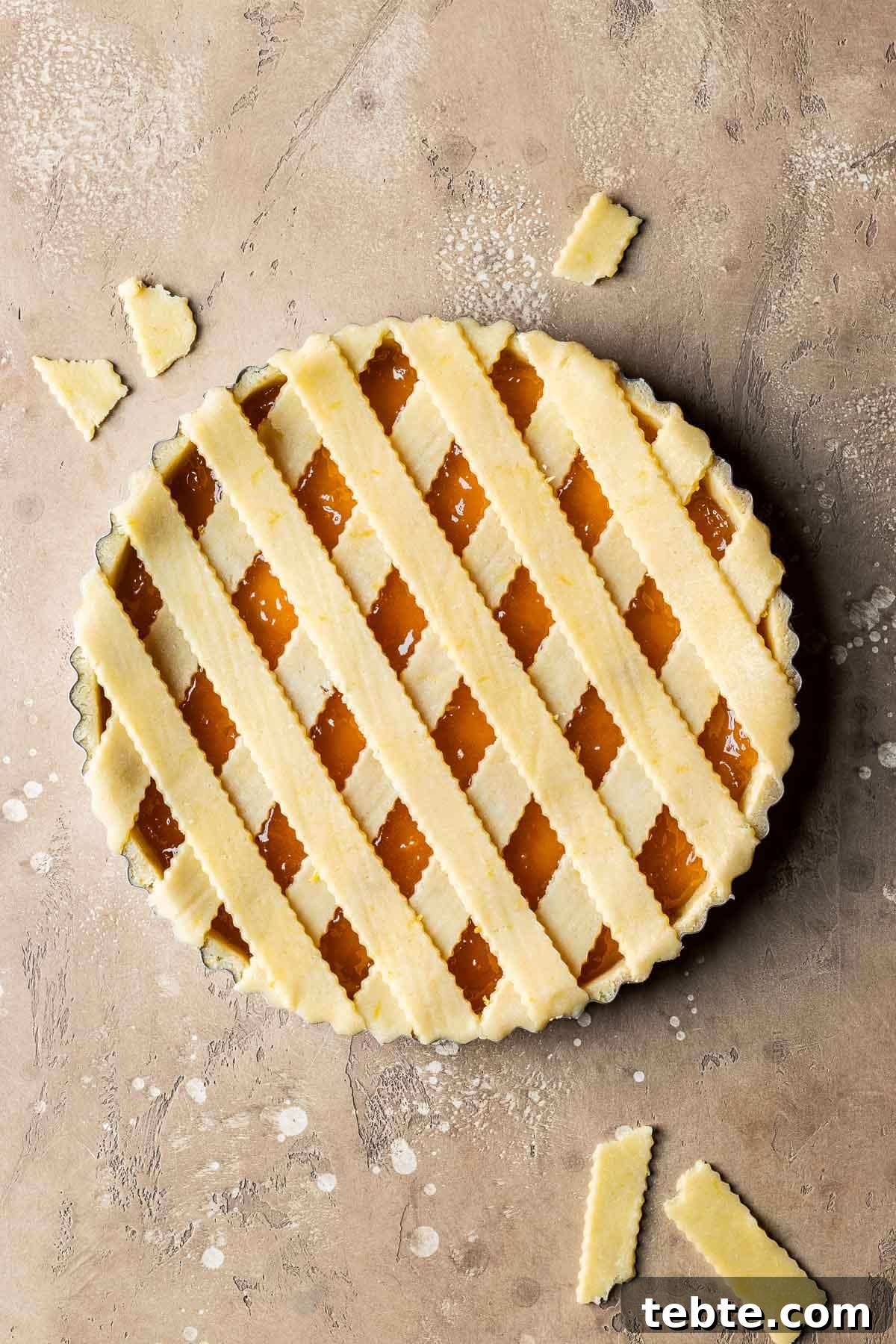
Lay half of the strips across the tart in one direction, gently pressing the ends to seal. Arrange the remaining strips at an angle to form a lattice with diamond-shaped openings. Trim any overhang and chill the assembled tart in the freezer for 10 minutes so the dough stays cold.
If the strips become too soft while working, chill them again briefly. Chill the fully assembled crostata for at least 10 minutes before baking to keep the butter cold.
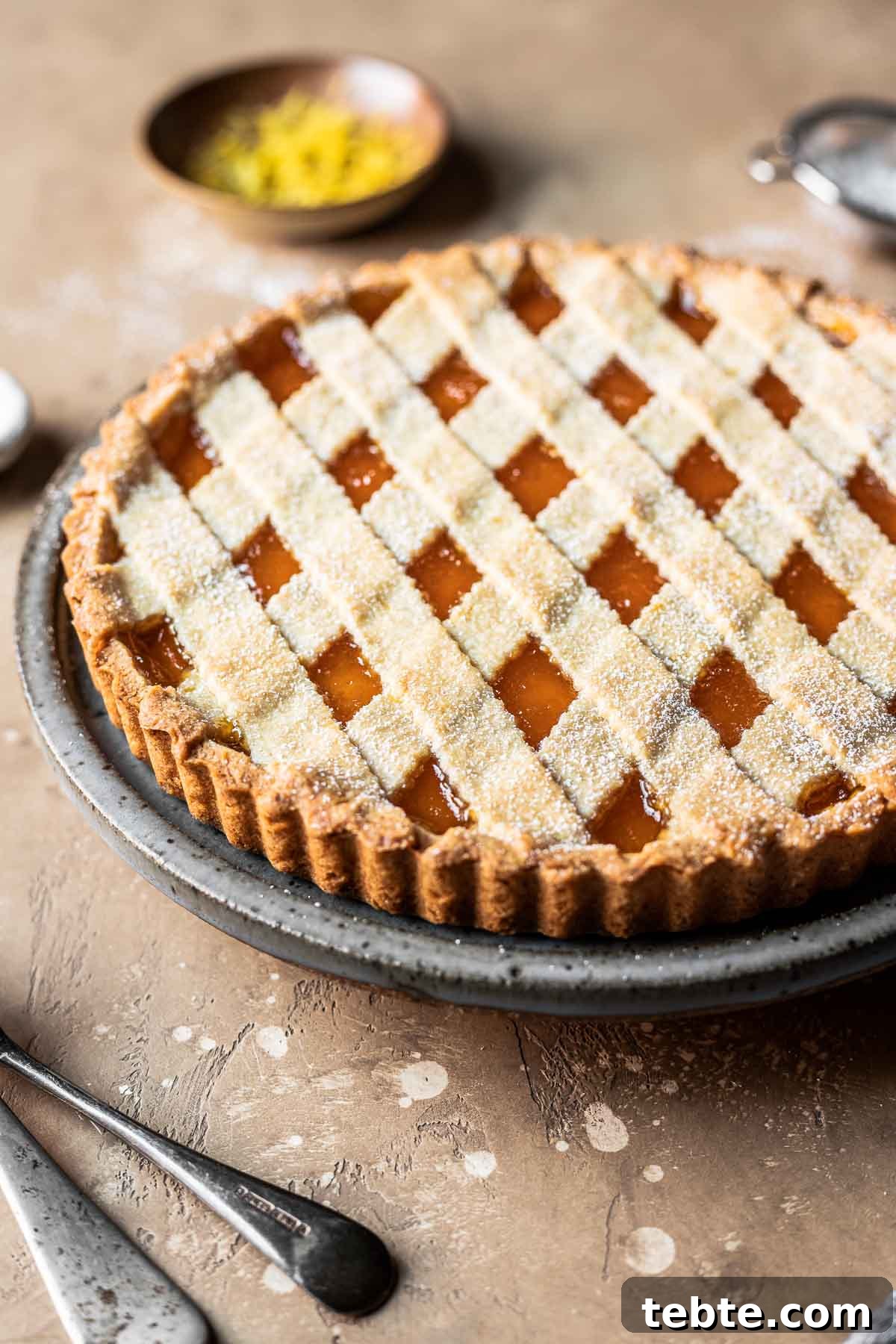
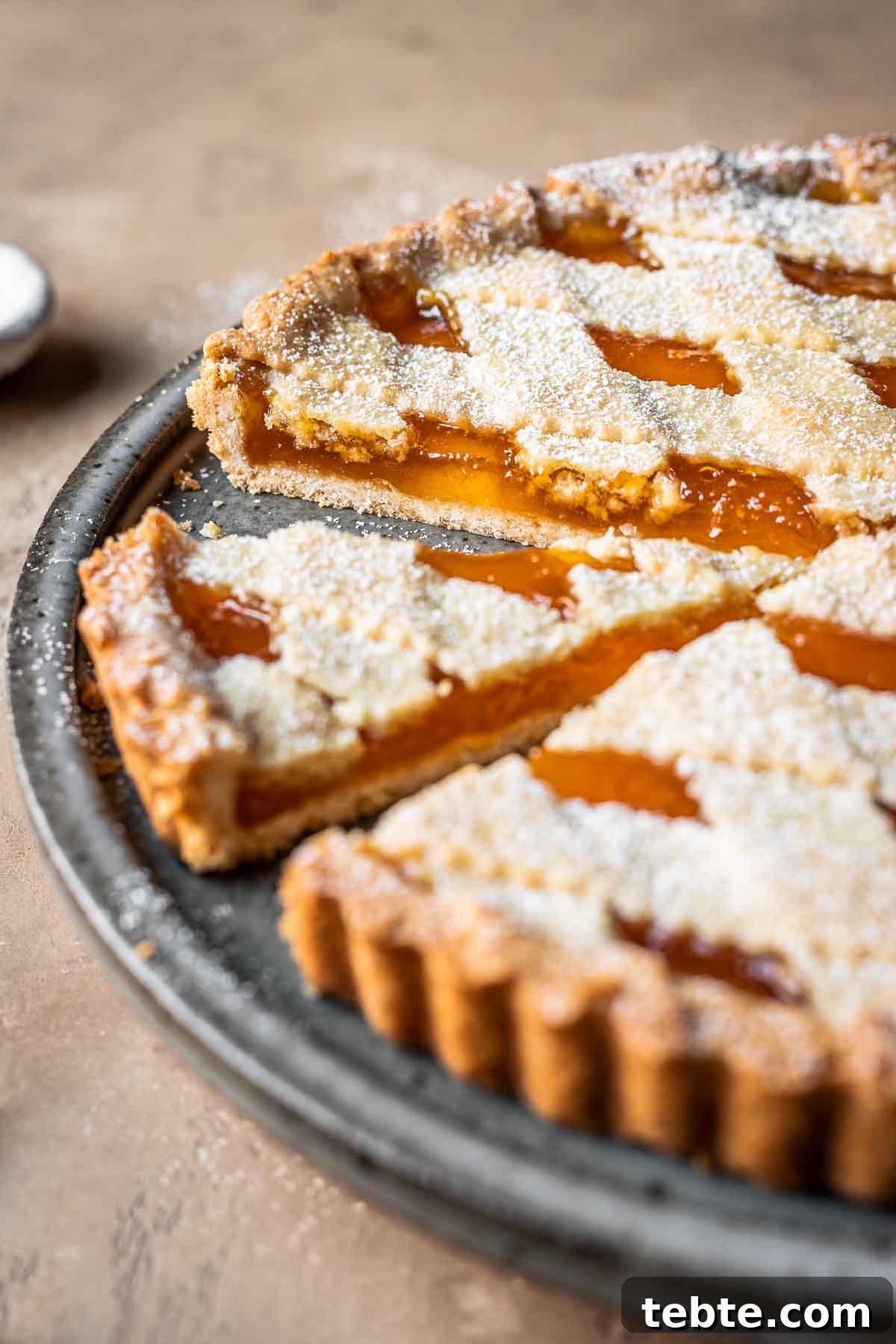
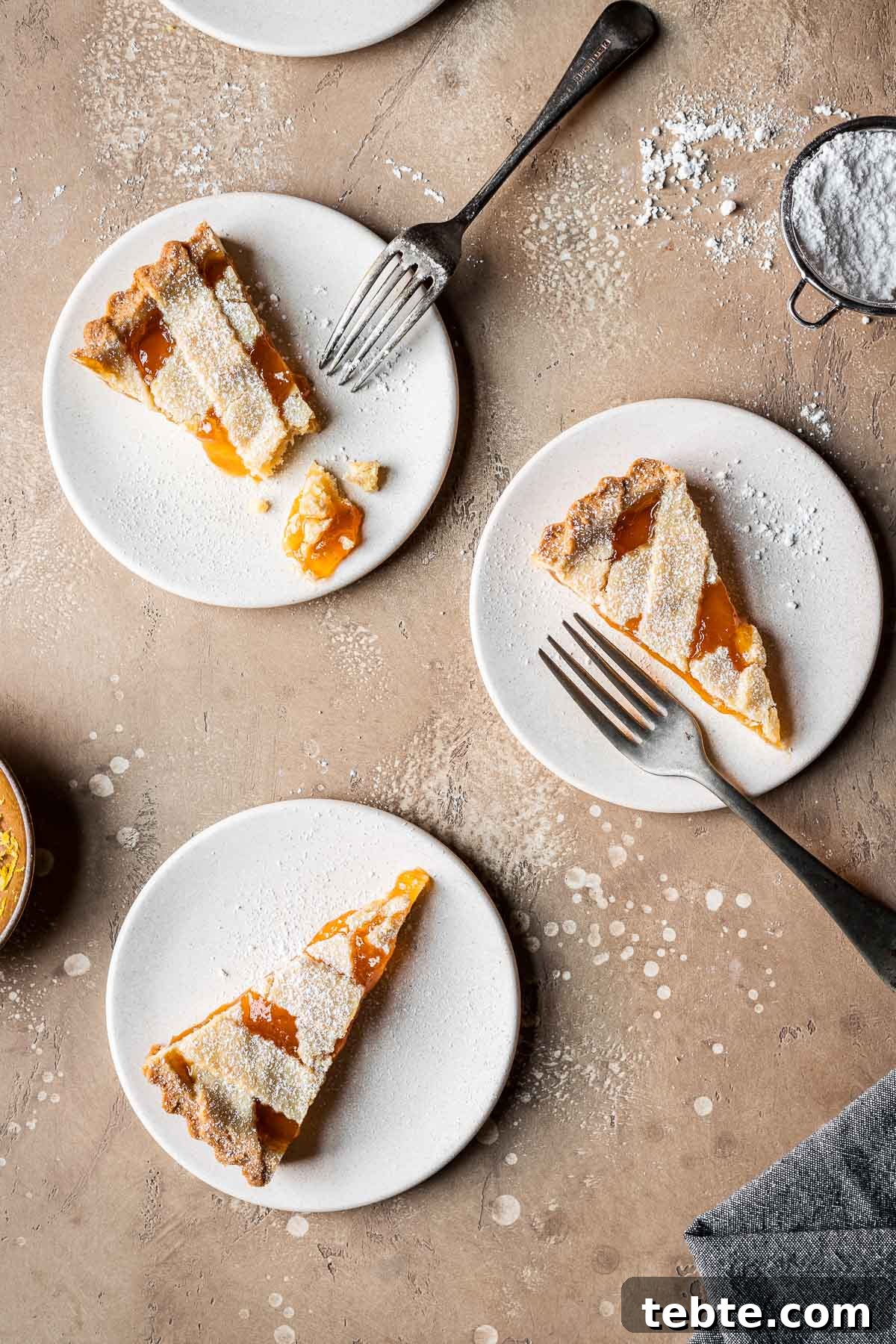
Bake at 350°F (177°C) for about 32–34 minutes, until the crust and lattice are golden and the jam is bubbling. Cool completely on a rack. For cleaner slices, refrigerate the tart for at least an hour before slicing, and dust with powdered sugar just before serving.
Variations
- Try different jams: Raspberry, blackberry, fig, plum, or mixed berry jams all make excellent fillings.
- Reduce sweetness: Replace one-third of the jam with orange marmalade to cut sweetness and add complexity.
- Match citrus zest: Lemon zest pairs well with berry jams; orange zest complements plum, fig, or apricot; lime zest is a lively match for strawberry or mango.
- Add warming spices: Stir a pinch of cinnamon and ginger into the dough for apricot or peach jam, or try cardamom and nutmeg with berry fillings.
Equipment
Even thickness makes for an even-baked crust—pastry guides are a simple way to roll a uniform shell. A pie shield or strips of foil prevents the edges from over-browning. A half-sheet pan under the tart catches any drips and keeps the oven clean. Parchment paper simplifies rolling and transfer. A pastry wheel speeds cutting neat lattice strips and can give a decorative edge.
Storage
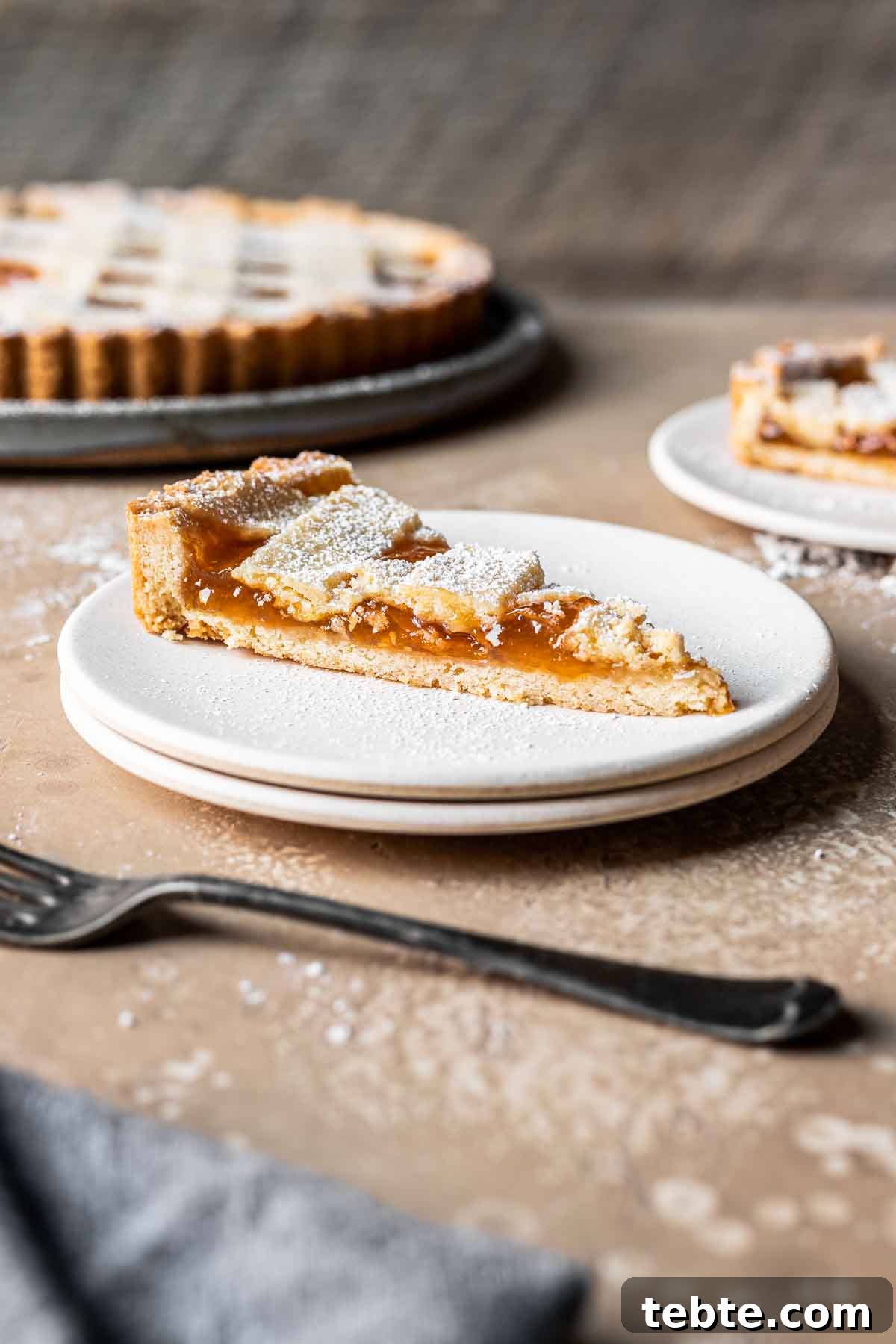
This tart slices most cleanly when chilled. Keep wrapped in the refrigerator for up to 5 days.
Freeze: Wrap slices tightly and place in an airtight container for up to 3 months. Thaw in the refrigerator and remove plastic wrap before serving to avoid condensation on the crust.
Frequently asked questions
This recipe uses about 370 grams (13 ounces) of jam. The amount is flexible—use between 340 and 450 grams (12–16 ounces) depending on how full you like the tart.
More tart recipes
-
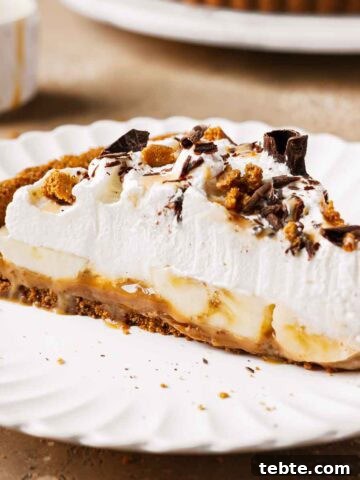
Banoffee Tart (Caramel Banana Tart)
-
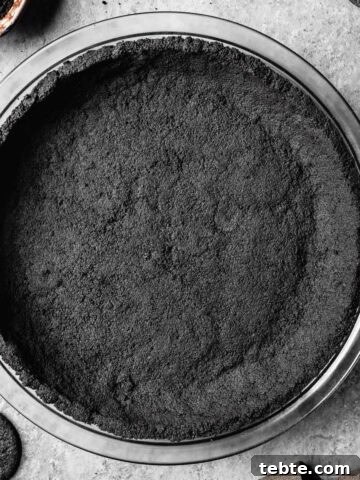
Chocolate Cookie Crust
-
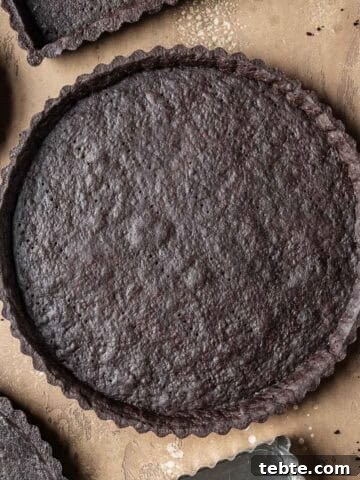
Pâte Sucrée au Chocolat (Chocolate Tart Dough)
-
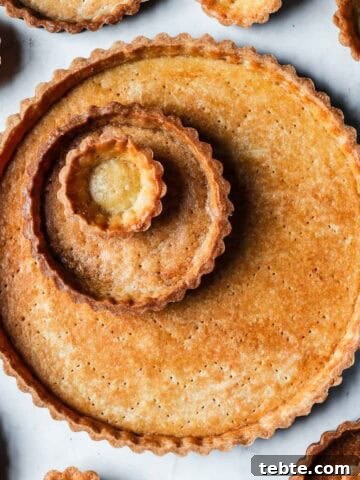
Pâte Sucrée (Sweet Tart Dough)
Love this recipe? Please
leave a comment and star rating.
★★★★★ Your feedback and adaptations help other bakers!
📖 Recipe
Crostata di Marmellata (Italian Jam Tart)
INGREDIENTS
- 170 grams unsalted butter, room temperature
- 100 grams granulated sugar
- lemon zest, from 1 lemon
- 300 grams all purpose flour
- ½ teaspoon Kosher salt
- 1 teaspoon baking powder
- 1 large egg, room temperature
- 1 large egg yolk, room temperature
- 370 grams apricot jam, or other flavor
- 30 grams powdered sugar, for dusting
INSTRUCTIONS
Pasta Frolla Dough
- In a stand mixer with a paddle, beat butter and sugar on medium until combined. Add lemon zest and mix.
- With the mixer on low, add flour, salt, and baking powder and mix until the mixture resembles fine sand, scraping the bowl as needed.
- Add the egg and egg yolk and mix on low just until the dough comes together. Do not overmix.
- Gather the dough, divide into two portions (about 2/3 and 1/3), and flatten each into a disc. Chill.
Tart Base
- Roll the larger piece between parchment to about 1/8″ thick, making a circle slightly larger than your tart pan. Transfer to the pan, press into the edges, and trim the excess.
- Chill the tart base in the refrigerator for at least 30 minutes. Combine scraps with the remaining dough and roll between parchment; chill on a sheet pan.
Lattice Top
- Remove the remaining dough from the fridge and, between parchment layers, cut into long 3/4″ (2 cm) strips. Return the strips to the refrigerator while you prepare the filling.
Crostata Assembly
- Preheat the oven to 350°F (177°C).
- Remove the chilled tart base and strips. Spoon jam into the tart shell and smooth it.
- Place half the strips across the tart, sealing the ends. Arrange the remaining strips at an angle to form the lattice, trim edges, and chill the assembled tart in the freezer for 10 minutes to firm the dough.
Bake and Serve
- Set the tart on a baking sheet and bake 32–34 minutes until golden and bubbling. Cool on a wire rack.
- Refrigerate at least 1 hour for cleaner slices. Dust with powdered sugar right before serving.
EQUIPMENT
-
round tart pan, about 9.5 inches (24 cm)
-
pastry guides or rolling pin for even thickness
-
pastry wheel or sharp knife for lattice strips
-
pie shield or foil to protect edges (optional)
NOTES
- If the dough becomes too soft, chill it for 5–10 minutes—working with cool dough makes assembly easier.
- Apricot is traditional, but any good-quality jam—store-bought or homemade—will work.
- Jam quantity is flexible: 340–450 g (12–16 oz) depending on the jar you have.
- The filling slices more neatly when chilled. Let the crust warm 20–30 minutes before serving for best flavor.
- Store wrapped in the refrigerator up to 5 days. Freeze wrapped in an airtight container up to 3 months; thaw in the fridge and remove plastic wrap before serving to avoid condensation.