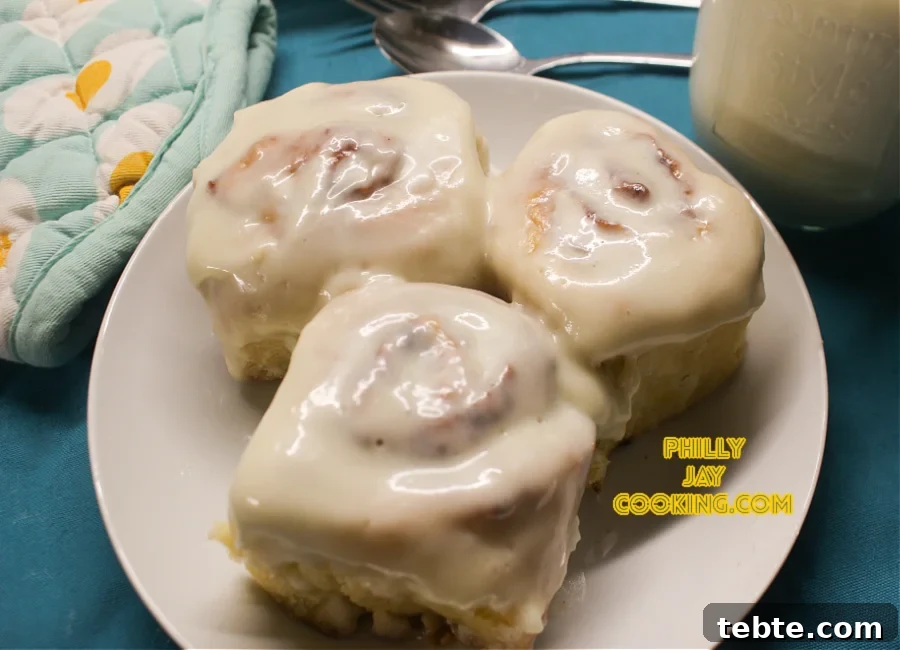
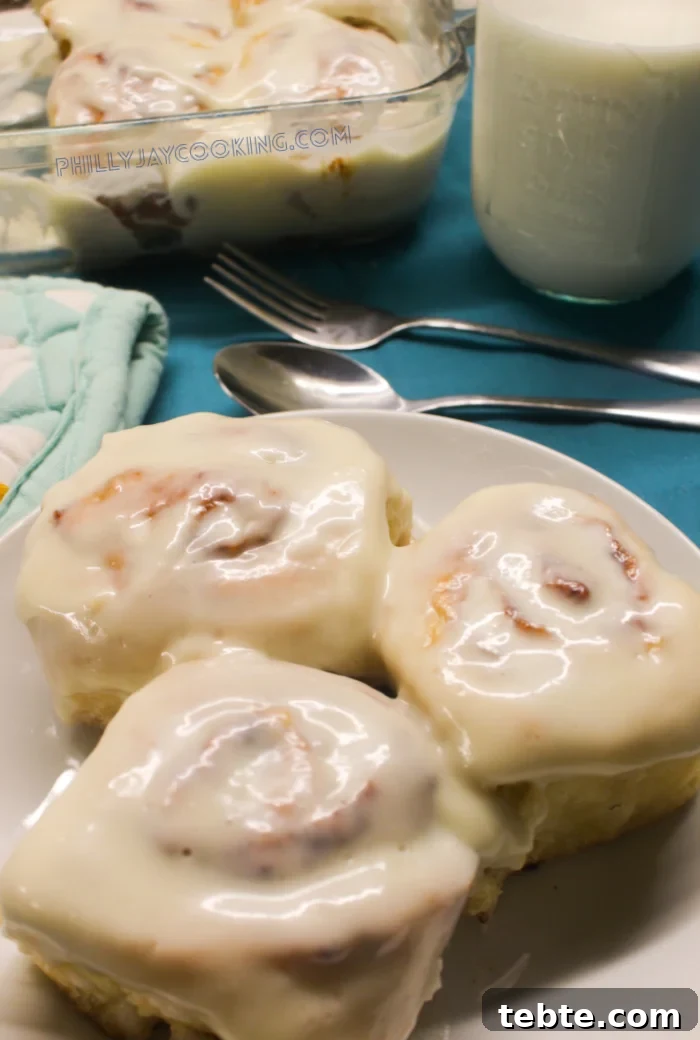
Moist, soft, fluffy cinnamon rolls topped with a rich cream cheese frosting. This classic cinnamon roll recipe uses simple ingredients and traditional methods to deliver tender, melt-in-your-mouth rolls that are perfect for breakfasts, snacks, or dessert.
These cinnamon rolls are great for family movie night, a late-night treat, or a school snack. Kids will love them with a cold glass of milk, while adults may prefer them warm with tea or coffee.
Give this recipe a try—it’s straightforward and consistently delicious. I recently shared a batch with my 62-year-old neighbor, a member of a family once known for baking in Reading, PA. She called back quickly to say, “These are so friggin’ good,” which was high praise from someone with a long baking tradition.
Below you’ll find the ingredients, equipment, yeast tips, proofing guidance, instructions, and helpful serving and storage advice to make excellent cinnamon rolls from scratch.
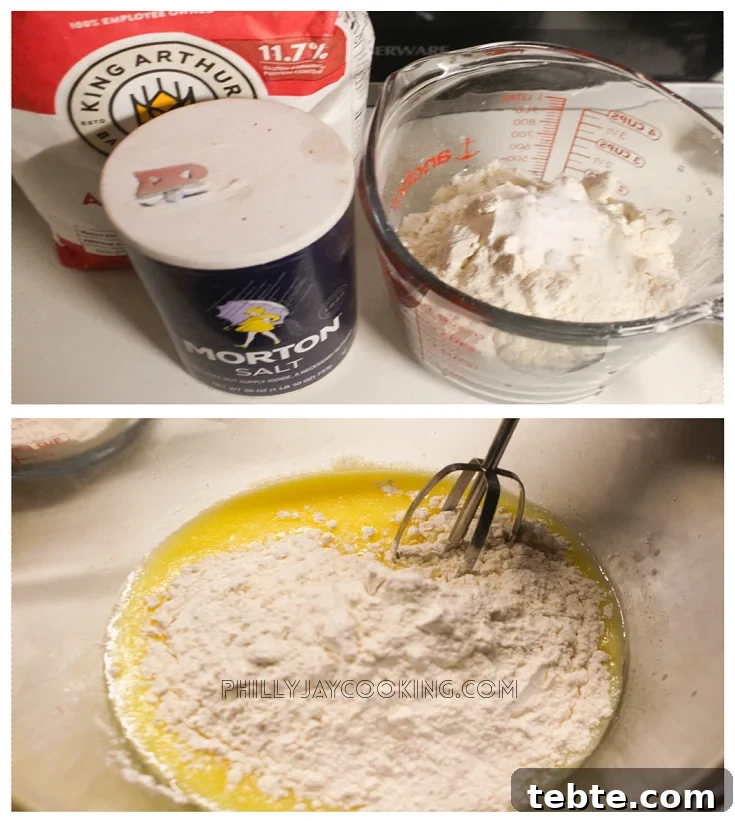
Key Ingredients For Dough:
The dough is the foundation of great cinnamon rolls. Use the following ingredients for a soft, flavorful dough.
- All-purpose flour: The base for the dough.
- Salt: Enhances overall flavor, even in sweet recipes.
- Unsalted butter: Adds flavor and helps with browning; it makes a noticeable difference.
- Vegetable oil: Used to coat the bowl so the dough doesn’t stick while rising.
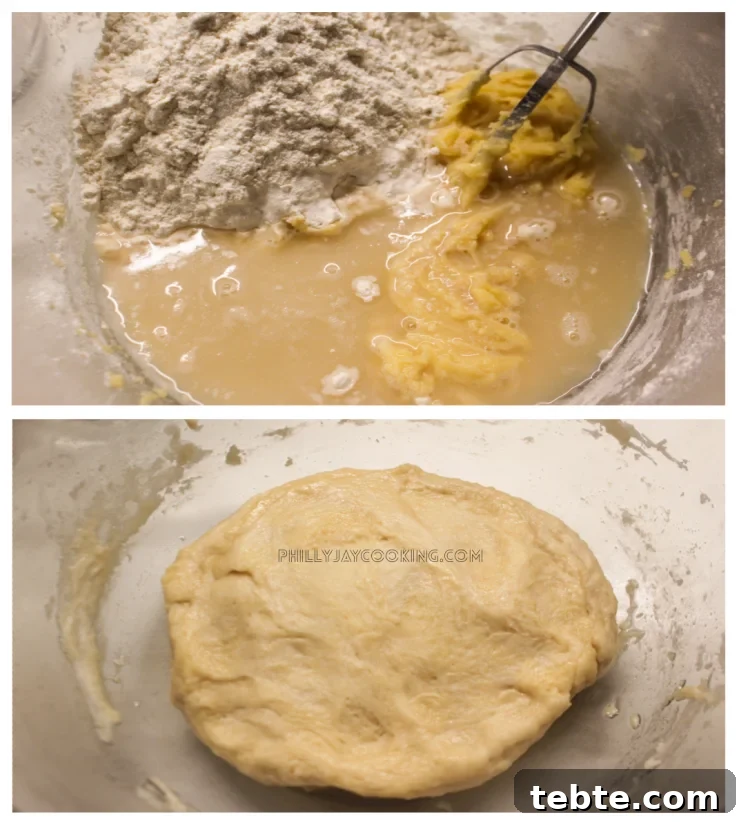
- Whole milk: Adds moisture and richness, hydrates the flour for a softer dough.
- Egg: Contributes structure, color, moisture, and tenderness.
- White sugar: Sweetens the dough.
- Yeast: The leavening agent that makes the dough rise.
Equipment You’ll Need For Cinnamon Rolls:
- Large mixing bowls: For making the dough and the frosting.
- Hand mixer (optional): Helpful for mixing frosting and combining ingredients, but you can use a spoon and elbow grease instead.
- Spatula: Useful for scraping bowls and folding ingredients.
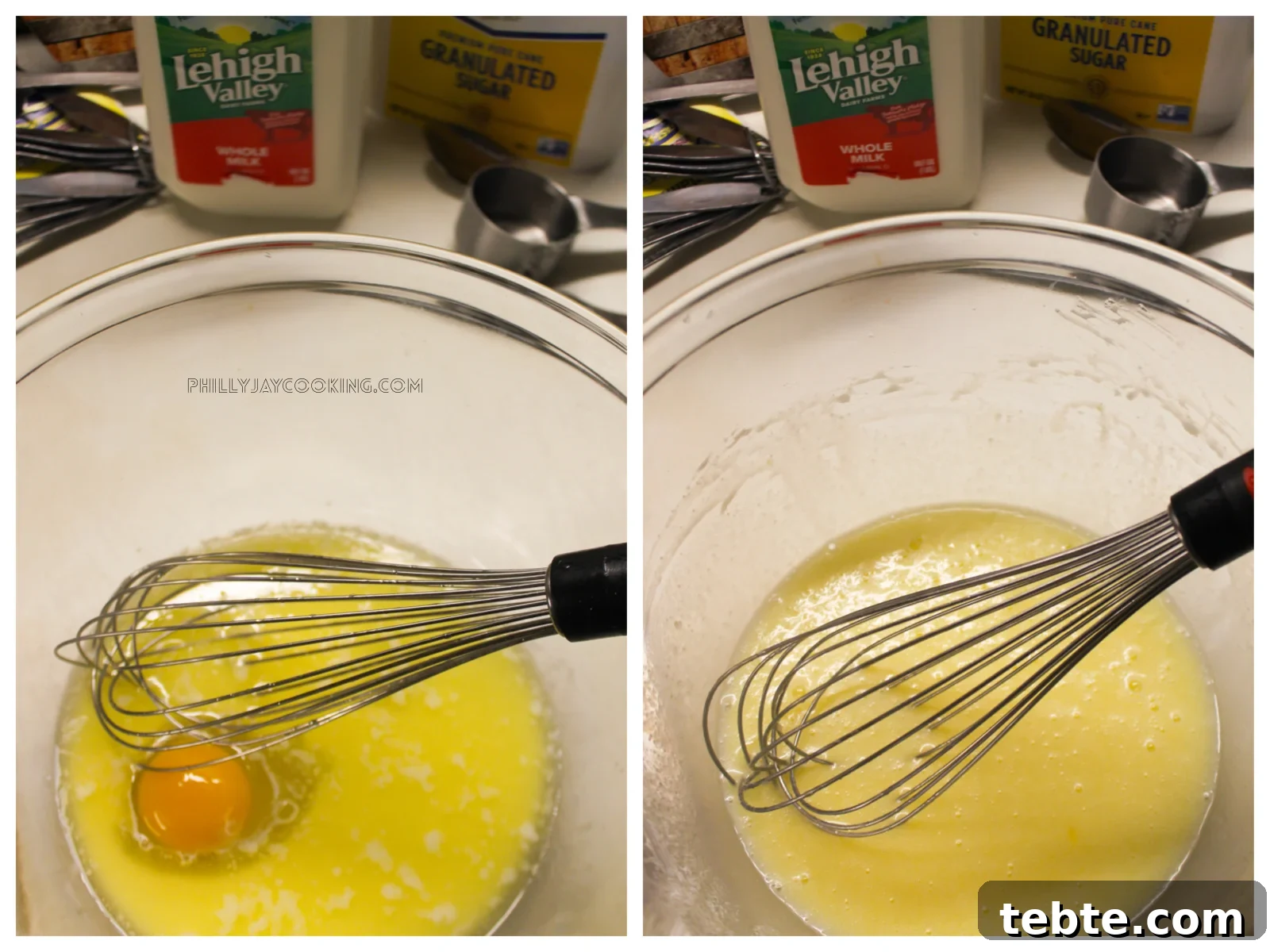
- Whisk: For beating eggs, milk, and sugar together.
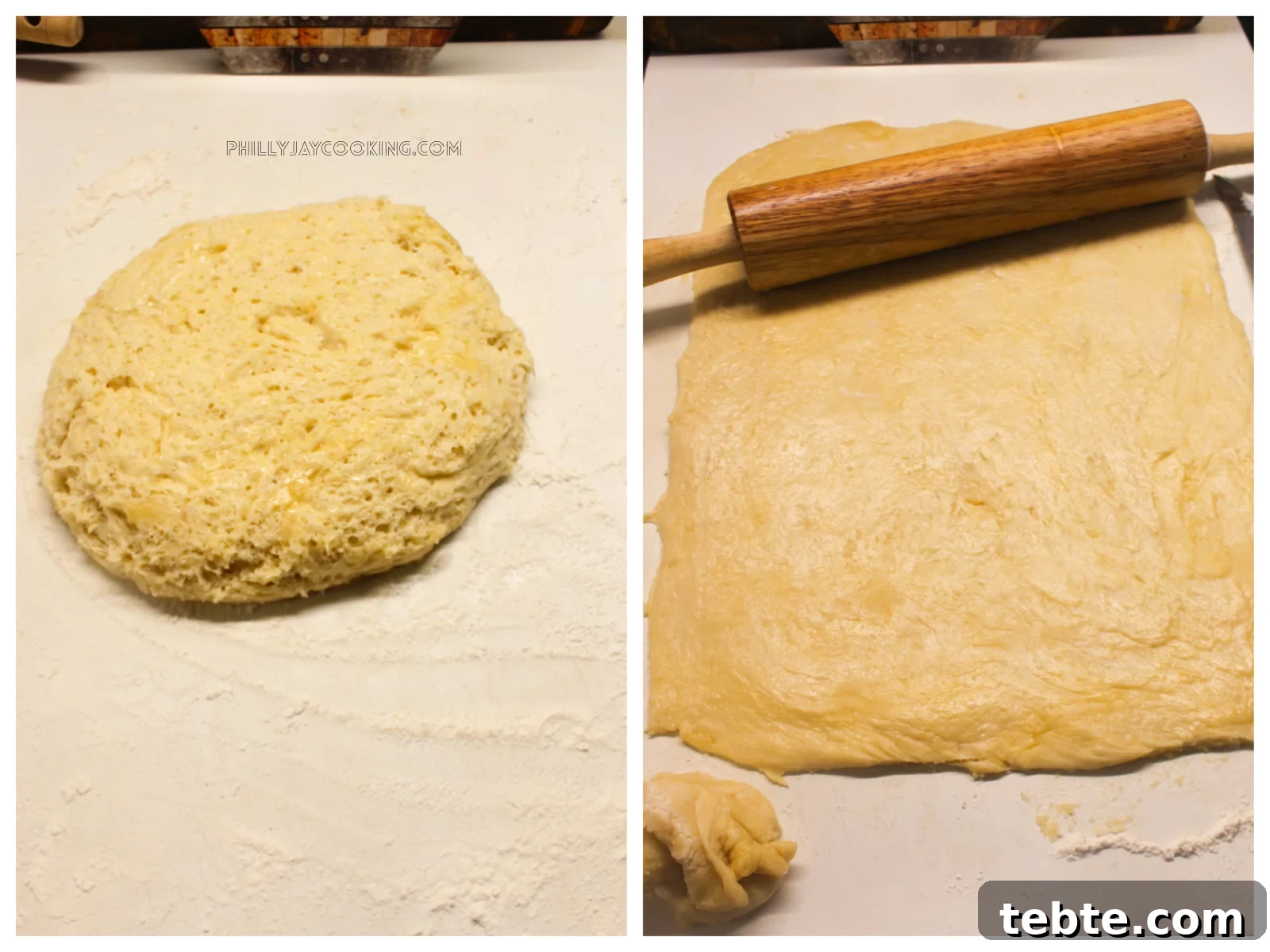
- Rolling pin: To roll the dough into a rectangle.
- Sharp knife: For slicing rolled dough into individual rolls.
- Baking dish: A buttered baking pan to bake the rolls.
- Measuring cups and spoons: For accurate measurements.
- Basting brush: To remove excess flour or to brush dough with butter.
Everything you need to know about the Yeast
Yeast is key to traditional cinnamon rolls. It ferments sugars into carbon dioxide, creating the airy texture of the dough. Here are important yeast basics:
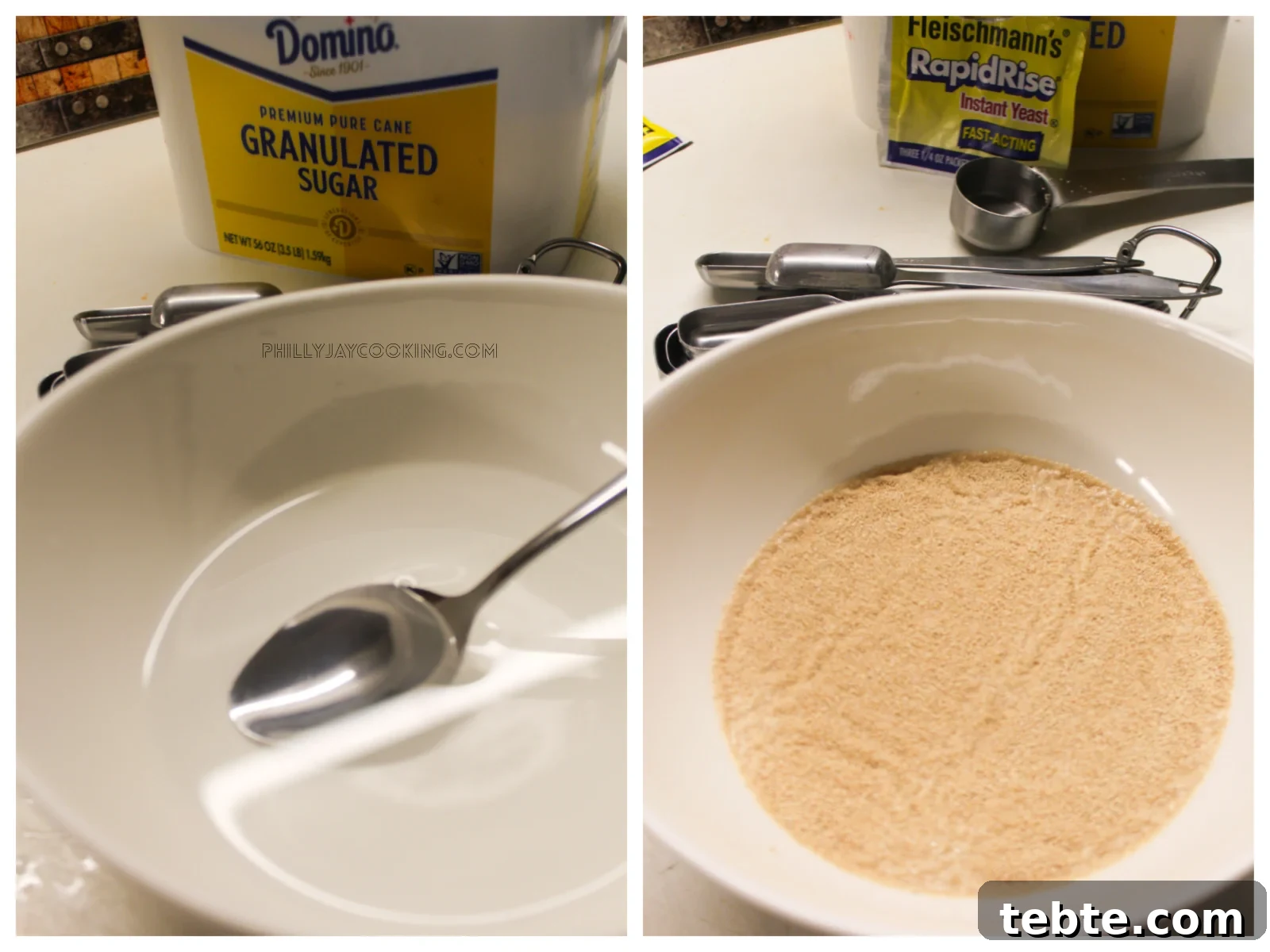
- Dry active yeast: Needs activation in warm water or milk before use.
- Instant (rapid-rise) yeast: Can be added directly to dry ingredients without prior activation.
- Liquid temperature: Use warm liquid (105–115°F) to activate dry active yeast. Water hotter than about 130°F will kill the yeast; cool liquid will leave it dormant.
- Sugar: Feeding yeast a bit of sugar accelerates fermentation and helps yeast become active faster.
- Warm environment: Let dough rise in a warm place to encourage efficient fermentation and a good rise.
Key things about proofing:
Proofing is the process of checking and allowing the dough to rise. Look for these indicators to confirm your yeast and dough are working properly:
- Yeast viability: After combining yeast with warm liquid and sugar, it should become foamy in 15–20 minutes if active.
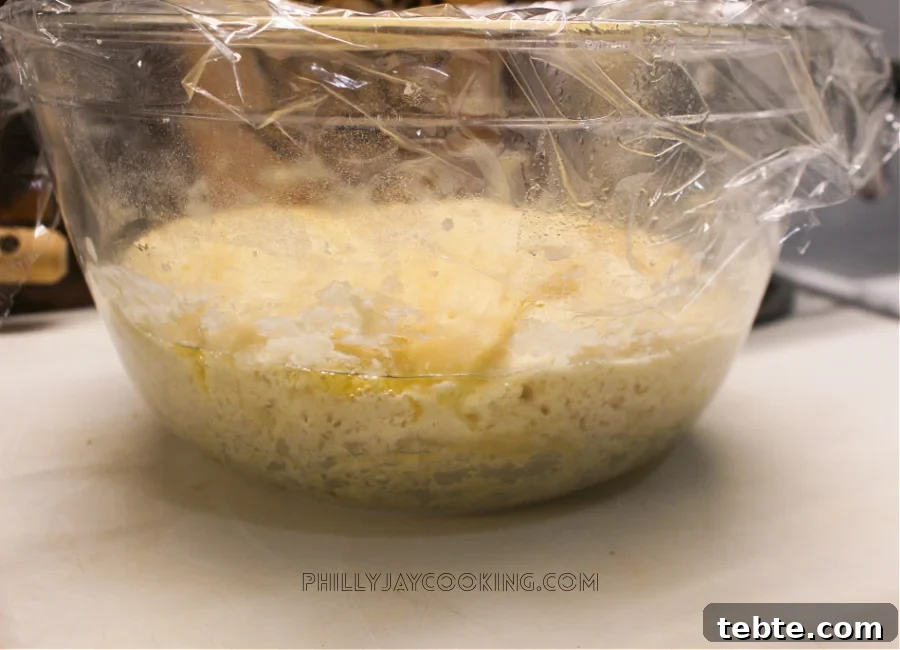
- Bulk proof: After mixing dough, it should rise in the bowl over 1–3 hours until noticeably puffy.
- Final proof: After shaping into rolls, the second rise should increase volume again before baking.
The filling:
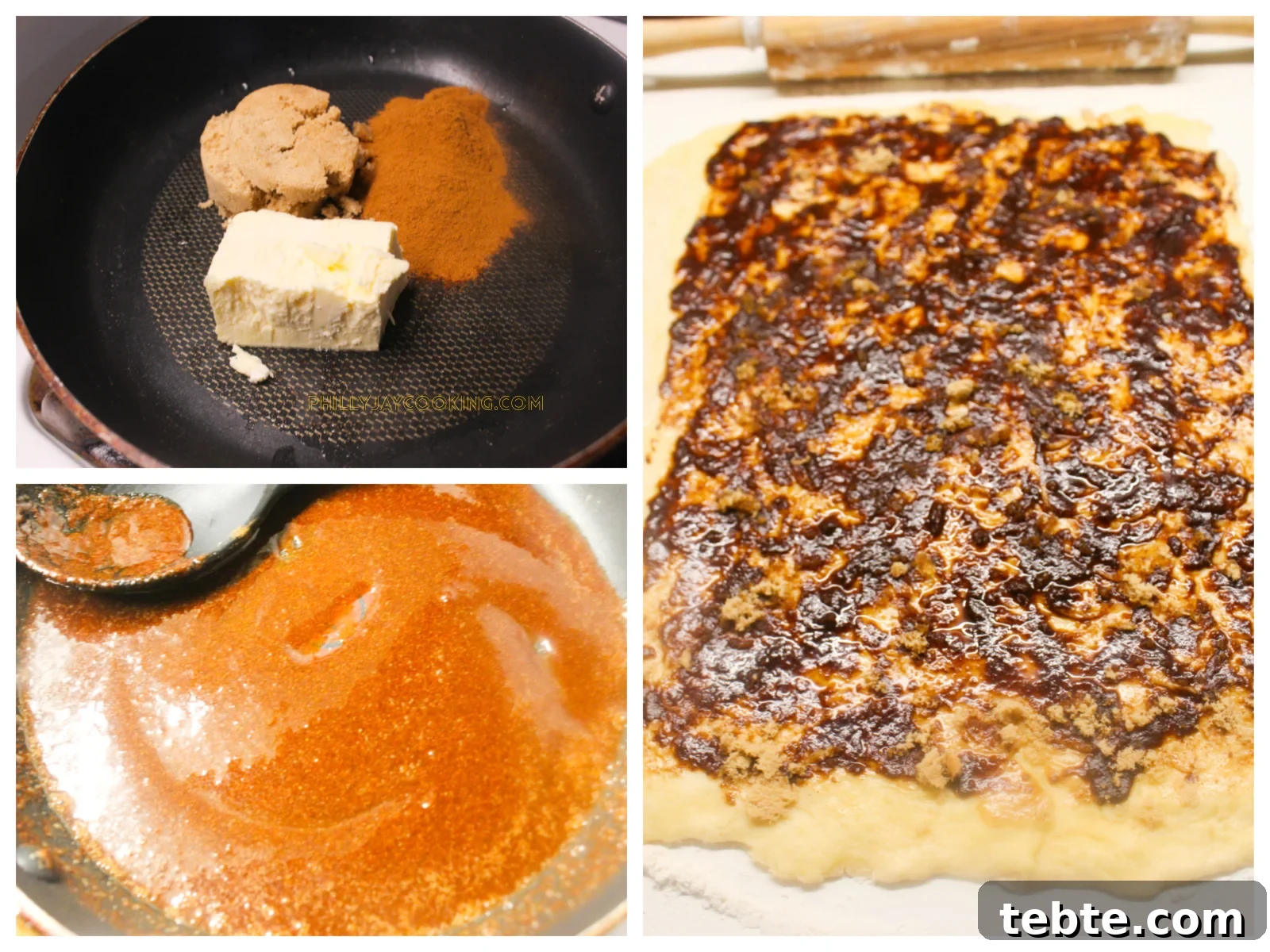
- Butter: Adds richness and helps the brown sugar and cinnamon adhere to the dough.
- Brown sugar: Sweetens and adds depth from molasses.
- Cinnamon: Ground cinnamon provides the classic flavor.
Large cinnamon rolls vs small cinnamon rolls
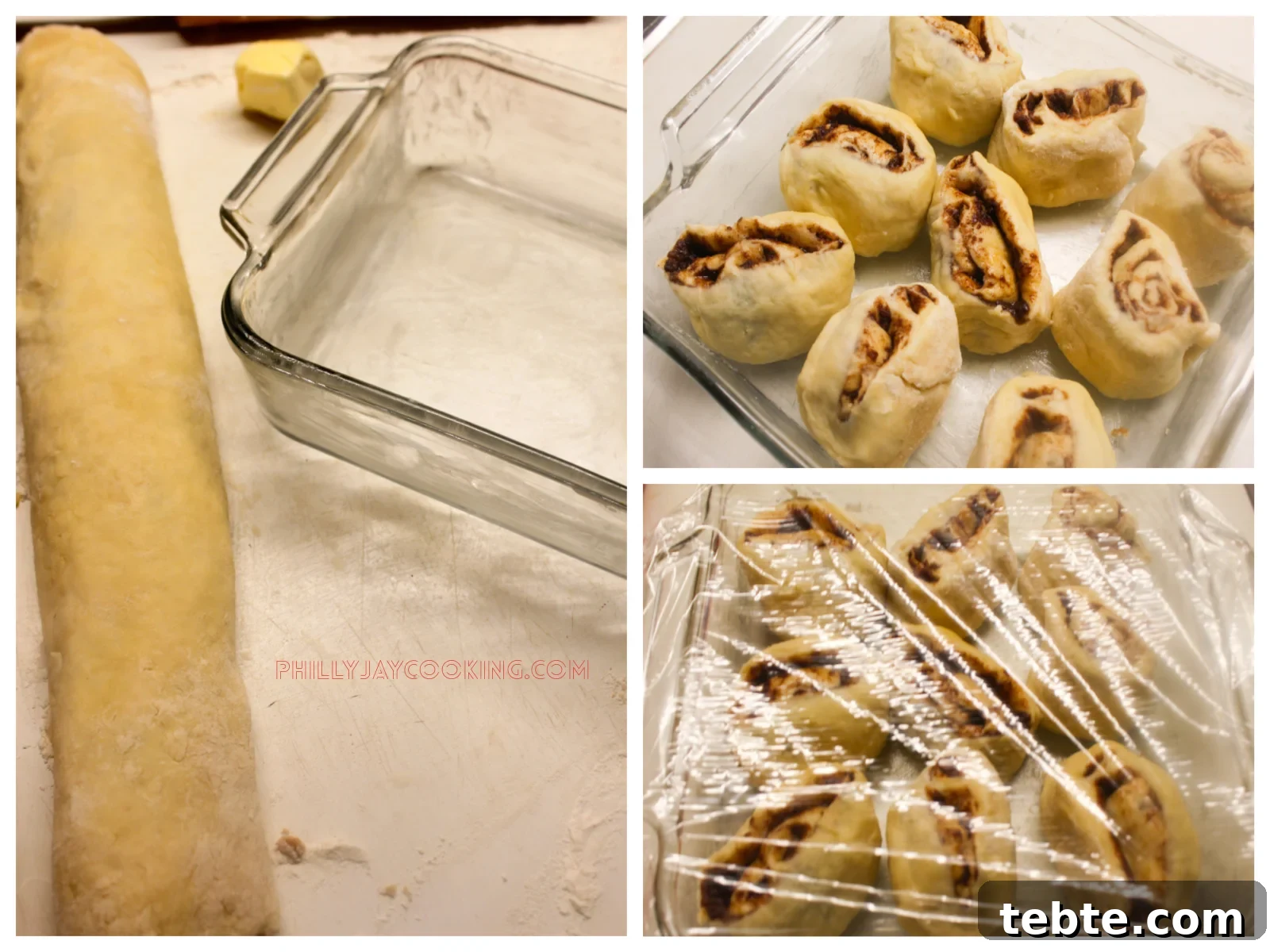
The direction you roll the dough affects roll size. Rolling from top to bottom (lengthwise) gives thicker, wider rolls. Rolling side to side produces more, smaller rolls. Choose the direction based on the size you prefer.
Frosting Options for Cinnamon Rolls:
You can customize frosting consistency and flavor:
- Thick frosting or thin glaze: Add milk teaspoon by teaspoon to thin frosting for a glaze. Use less milk for a thicker spread.
- Add-ins: Stir in caramel, nuts (pecans or walnuts), or other flavorings to the frosting for variety.
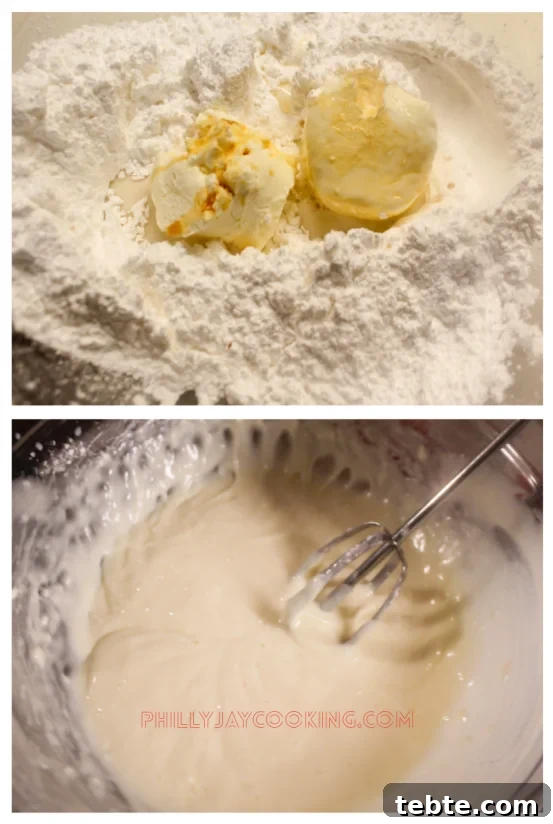
- Cream cheese frosting: Combine cream cheese, powdered sugar, a splash of milk, and vanilla. Adjust quantities for stronger or milder cream cheese flavor.
- Basic buttercream: For a non-cream-cheese option, mix powdered sugar with butter and milk to taste.
How To Make Cinnamon Rolls From Scratch
- Prepare the yeast by combining warm water with sugar and yeast; set aside 15–20 minutes to activate.

- Combine the wet and dry ingredients in a large bowl, then fold in the activated yeast until a soft dough forms.
- Place the dough in an oiled bowl, cover, and let it rise until doubled.
- Once risen, turn the dough out onto a floured surface and roll it into a rectangle.
- Make the filling by melting butter with brown sugar and cinnamon, then spread it evenly over the dough.
- Roll the dough tightly, slice into individual rolls, and arrange them in a buttered baking dish.
- Cover and allow the rolls to rise again until puffy.
- Prepare your frosting by combining powdered sugar, cream cheese, milk, and vanilla; chill until ready to use.
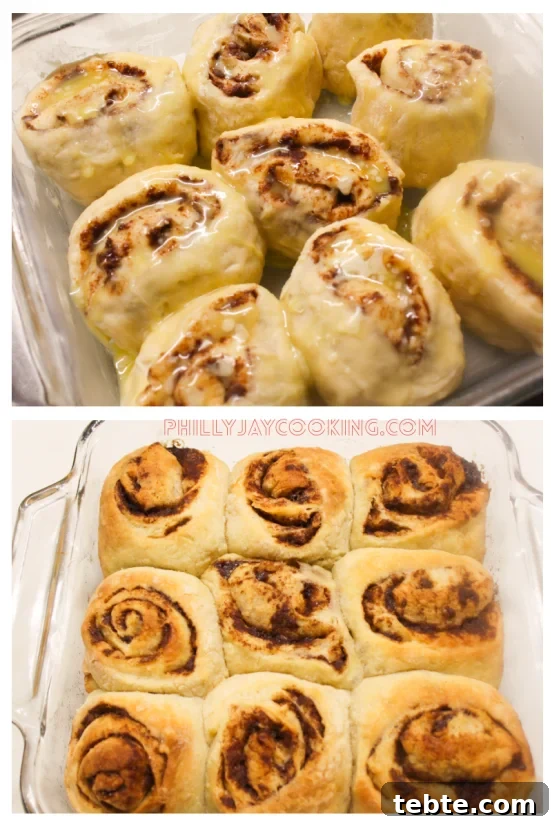
- Brush the risen rolls with a little melted butter and bake at 350°F until golden, about 25–30 minutes.
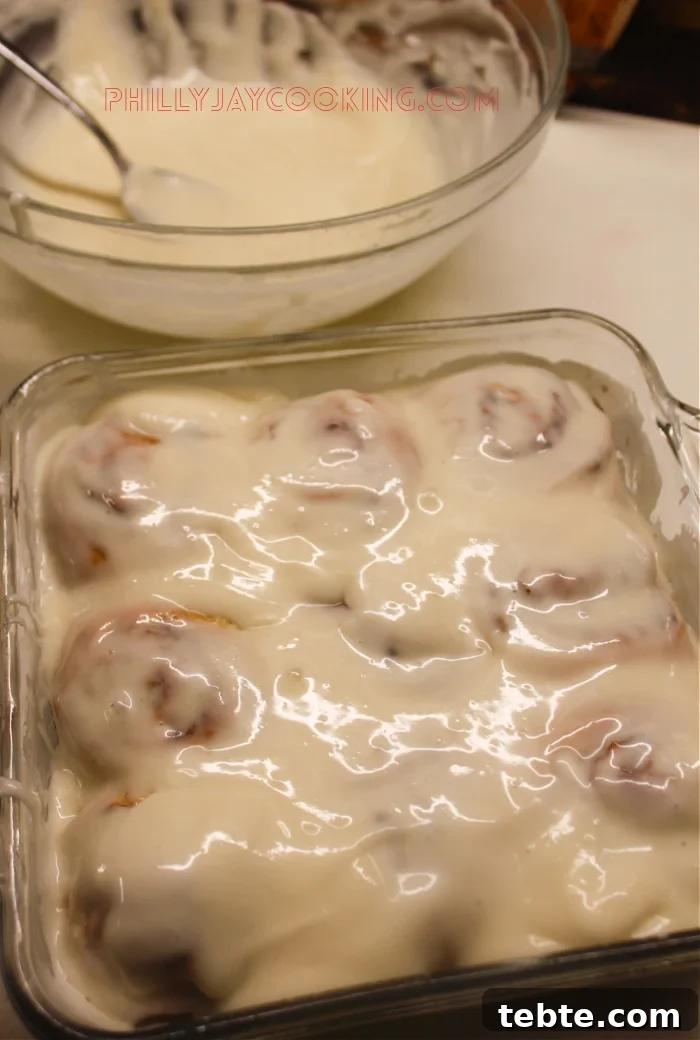
- Remove from the oven and spread the frosting over the hot rolls so it melts into the crevices.
Pro Tips:
- Use a sharp knife: A sharp knife or good dough cutter makes clean slices for even rolls.
- Let dough rise at room temperature: Room temperature encourages faster rising than a cold refrigerator.
- Flour the surface well: Dust your work surface and rolling pin to prevent sticking.
- Brush off excess flour: Remove any extra flour before filling so the sugar and butter adhere well.
- Use butter sparingly on top: Too much butter can cause overly dark edges; use a modest amount for a light golden finish.
Serving Suggestions:
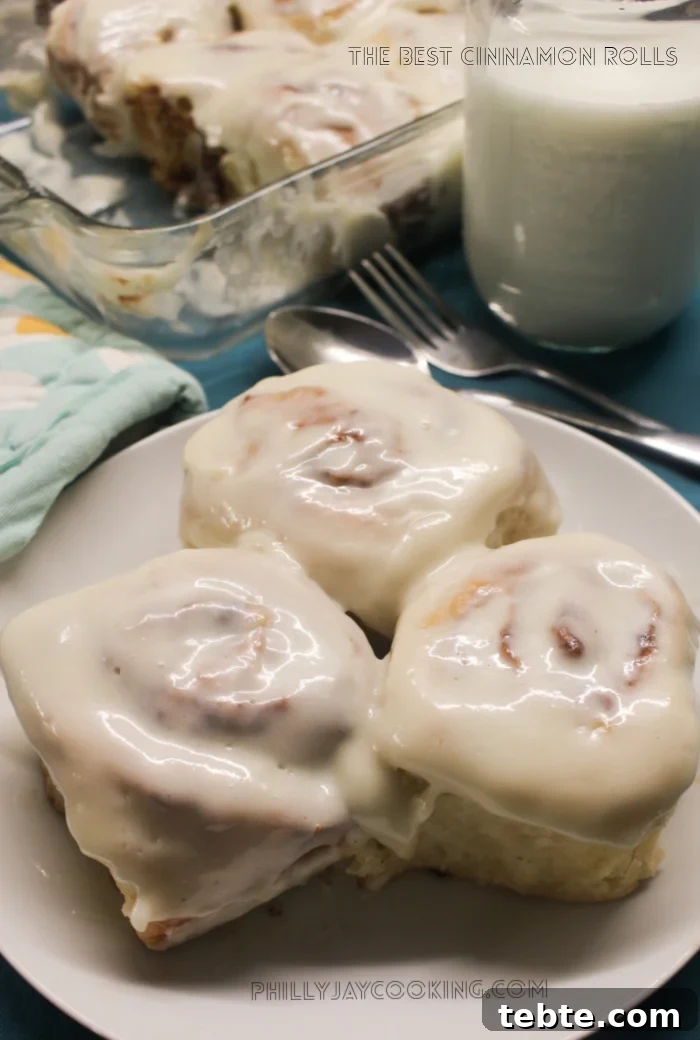
- Cold milk: A classic pairing—cold milk contrasts nicely with warm, sweet rolls.
- Hot tea: A comforting, traditional choice that pairs well with warm rolls.
- Coffee: Ideal for breakfast or a chilly morning; the warmth and bitterness of coffee balance the sweetness.
- Vanilla ice cream: For a decadent dessert, serve a warm roll with a scoop of vanilla ice cream.
How to Store Cinnamon Rolls
- Room temperature storage: Store rolls at room temperature, wrapped in foil or in a sealed container to keep them moist. Refrigeration can dry them out.
- Freeze before baking: Arrange unbaked rolls in a sealed bag and freeze. Thaw and bake when ready.
- Freeze after baking: Cool completely, then seal in a freezer bag to preserve for longer. Reheat gently before serving.
Cinnamon Roll FAQ’s
Why isn’t my dough rising?
Common causes: yeast was not activated (liquid too cold or too hot), yeast is expired, dough was over-floured, or it was kept in a cold environment. Follow proofing steps and check yeast foam to confirm viability.
How to know it’s done rising?
The dough should look puffed and have visible air bubbles. It often doubles in size; you may also see holes in the dough when handled gently.
Why did my cinnamon rolls come out hard?
Overworking the dough, too much flour, insufficient fat or liquid, or overbaking can cause dry, tough rolls. Use the recommended ingredient ratios and avoid overbaking.
What should I do if the sides of my cinnamon rolls are crunchy and hard?
Gently separate the rolls from the pan and pour some frosting or a bit of warm milk around the edges to soften the crust.
If you enjoyed this recipe, please rate it and subscribe to receive updates when new recipes are posted. Share your creations with the tag @phillyjaycooking.
Enjoy, later!
Pbj~