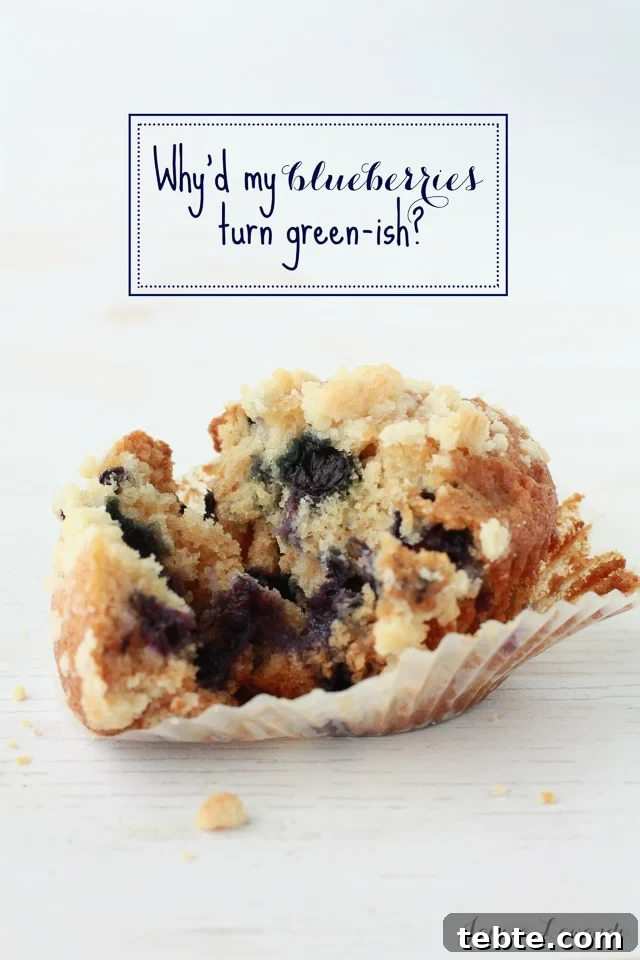
If you’ve ever baked a batch of blueberry muffins and noticed the berries turned green instead of blue or purple, don’t worry — it’s a common and harmless outcome. Read on to learn why blueberries can change colour in muffins and other baked goods, and what you can do to avoid it.
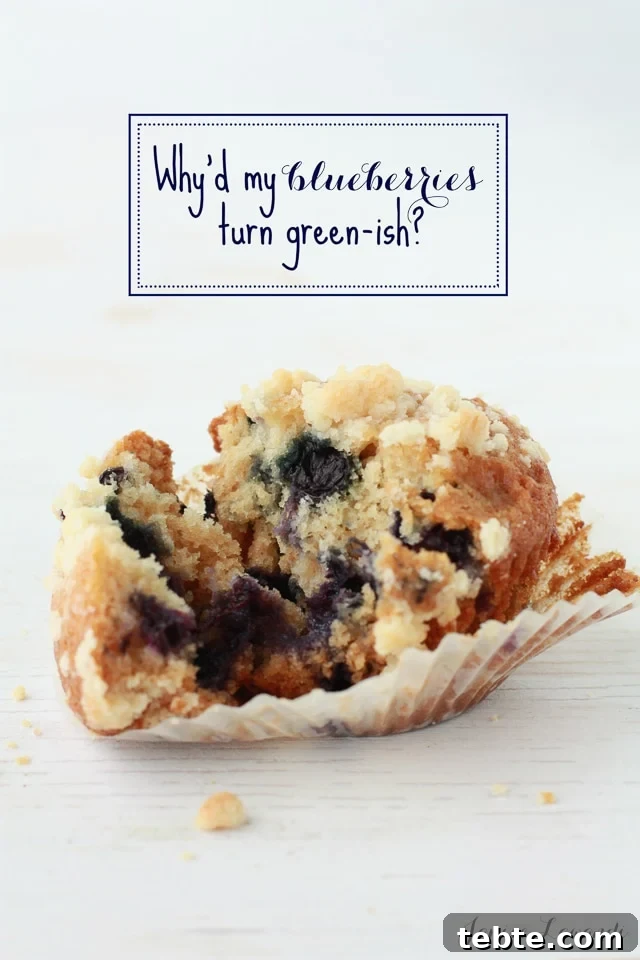
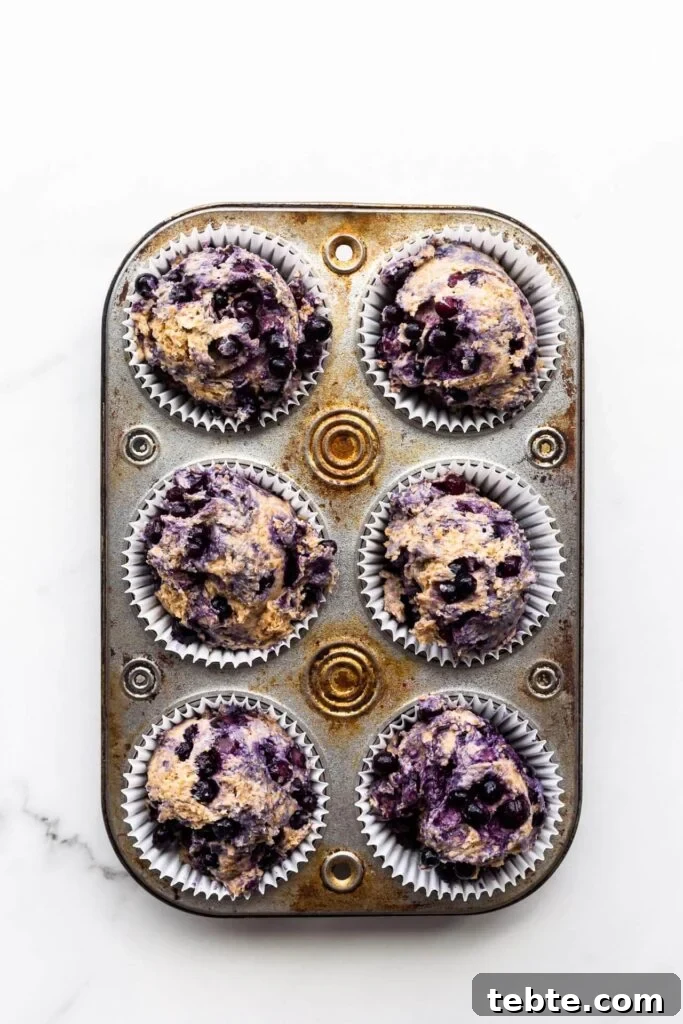
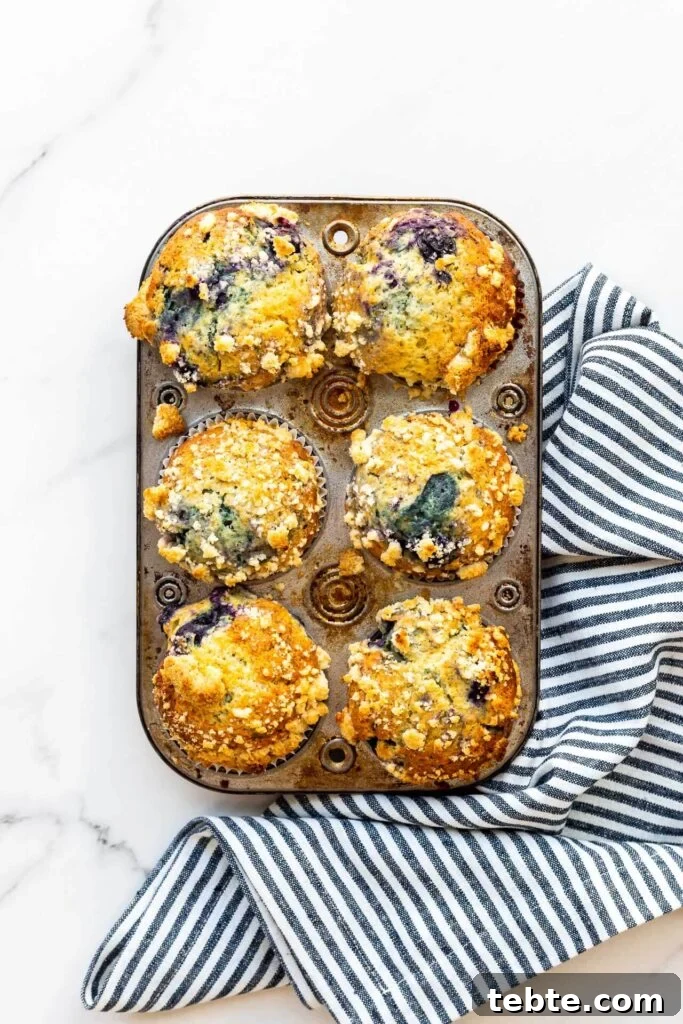
Even carefully made, moist and sweet honey blueberry muffins can show unexpected green patches where you expected blue or purple. The flavour remains the same, but the colour change can be surprising. The cause is natural: anthocyanins, the pigments in blueberries, and the pH of your batter determine the final hue.
What are anthocyanins?
Anthocyanins are a family of plant pigments responsible for many red, purple, and blue colours in fruits and vegetables. They act as antioxidants in plants and contribute to the deep tones you see in berries, cherries, grapes, red cabbage, and purple corn. Blueberries owe their violet-blue shades largely to specific anthocyanins such as cyanidin 3-glucoside.
Why do anthocyanins change colour?
Anthocyanins are sensitive to pH and act much like natural pH indicators. Their colour shifts depending on whether they are in an acidic, neutral, or alkaline environment. For cyanidin 3-glucoside, the pigment commonly in blueberries, colours can range from red through violet to blue or even green as pH rises. Small structural changes in the pigment molecules alter which wavelengths of light they absorb and reflect, producing noticeable colour changes in the fruit during cooking or baking.
How does this affect the colour of blueberries in my muffins?
The simple explanation is that the pH of your muffin batter influences the pigment colour. If your recipe uses a significant amount of baking soda, an alkaline leavening agent, and doesn’t include enough acidic ingredients to neutralize it, the batter can become basic. In a more alkaline environment, blueberry anthocyanins shift toward blue and green tones, producing greenish spots in your finished muffins rather than the expected purple or deep blue.
If you love a particular muffin recipe but dislike the green colour, there are easy adjustments to try. Add a little extra acid, such as a splash of vinegar, a bit more buttermilk, or an additional acidic ingredient the recipe calls for. Alternatively, reduce the baking soda slightly and use more baking powder if you need additional leavening. These tweaks help keep the batter more acidic and preserve the berry’s natural purple-blue colour.
Finally, rest assured that green-tinged blueberries in muffins are harmless and do not affect taste. With a few small recipe adjustments you can keep both flavour and appearance aligned with your expectations.