Autumn brings the return to school, and with it the inevitable circulation of colds, flus, stomach bugs and a parade of other contagious annoyances like conjunctivitis, strep throat, Hand-Foot-Mouth and Fifth Disease. These illnesses are rarely life-threatening, but they are unpleasant and can disrupt work, school and family life.
The most effective, simplest defense we have is frequent handwashing with regular soap and water. Recent regulatory actions have reinforced that ordinary soap is sufficient for everyday use: additives such as triclosan have been restricted, and public health guidance emphasizes that plain soap removes germs effectively when used correctly.
Frequent handwashing with regular soap and water is the single best defense against the spread of germs.
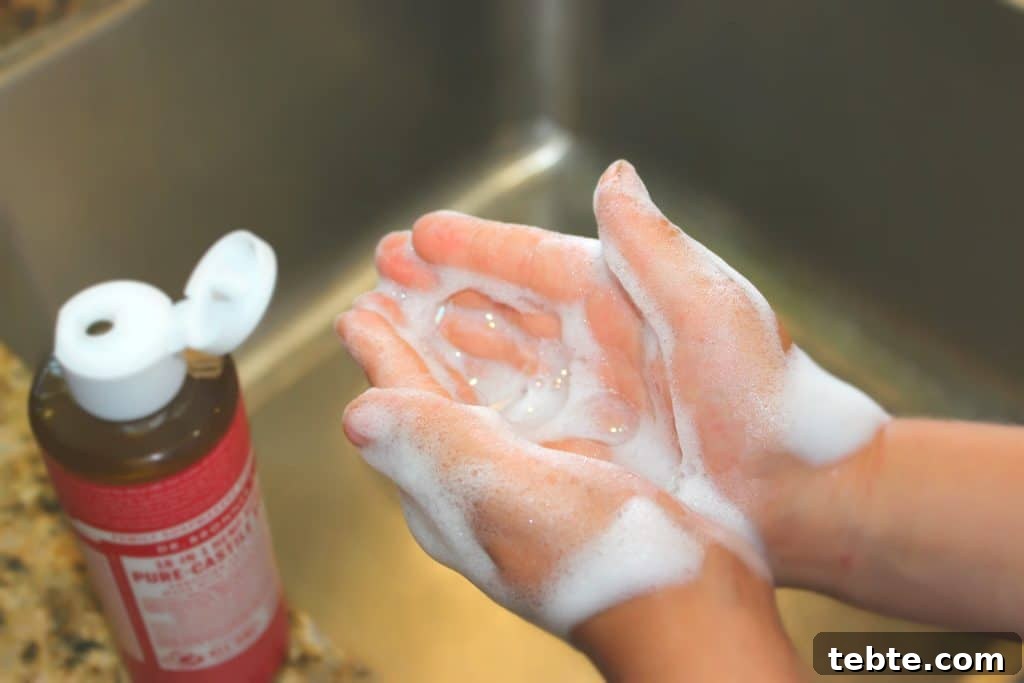
If your children (or you) seem to catch every circulating bug, check how often and how thoroughly hands are washed. Proper technique makes all the difference.
Four Handwashing Mistakes
The H-2-Only
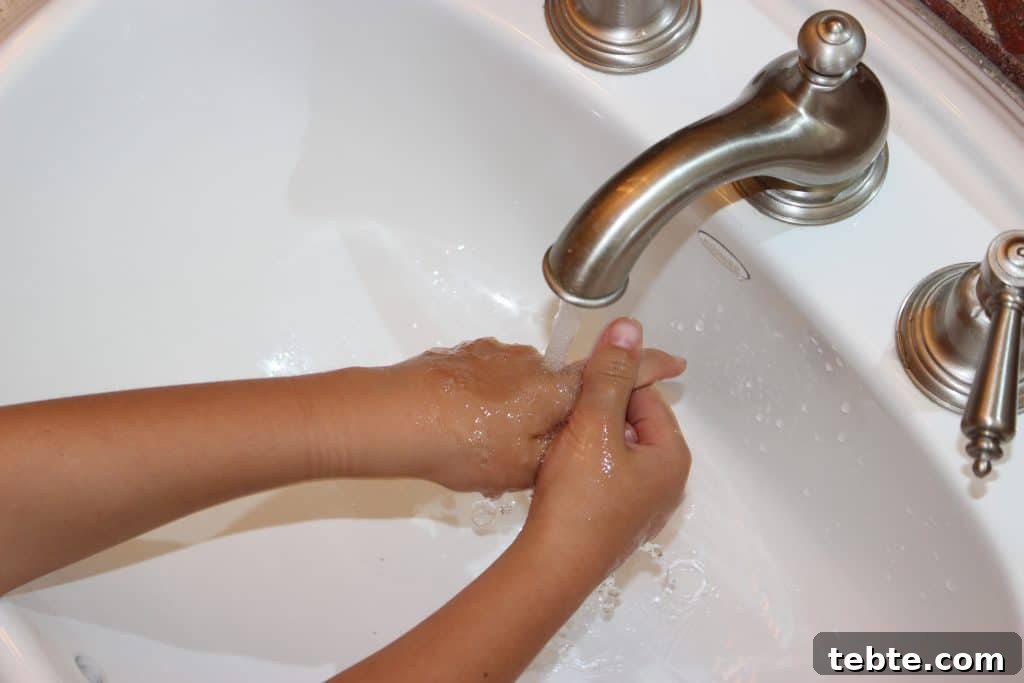
Rinsing with water alone does not count as effective handwashing. Water cannot lift away grease or bind to germs the way soap does; at best it may wash off loose dirt. For real protection, use soap and work up a lather.
The Flash Wash
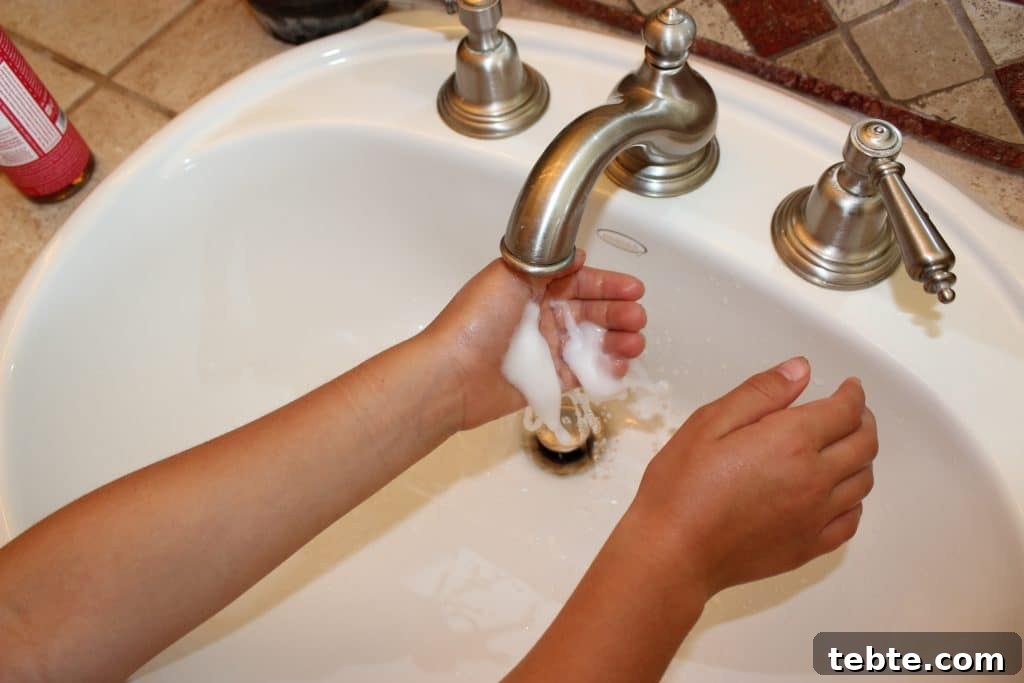
Many people only soap briefly before rinsing. Soap needs time to emulsify oils and bind microbes, and it must reach all surfaces of the hands. A hurried scrub will miss germs that linger in creases and under nails.
The Finger Free
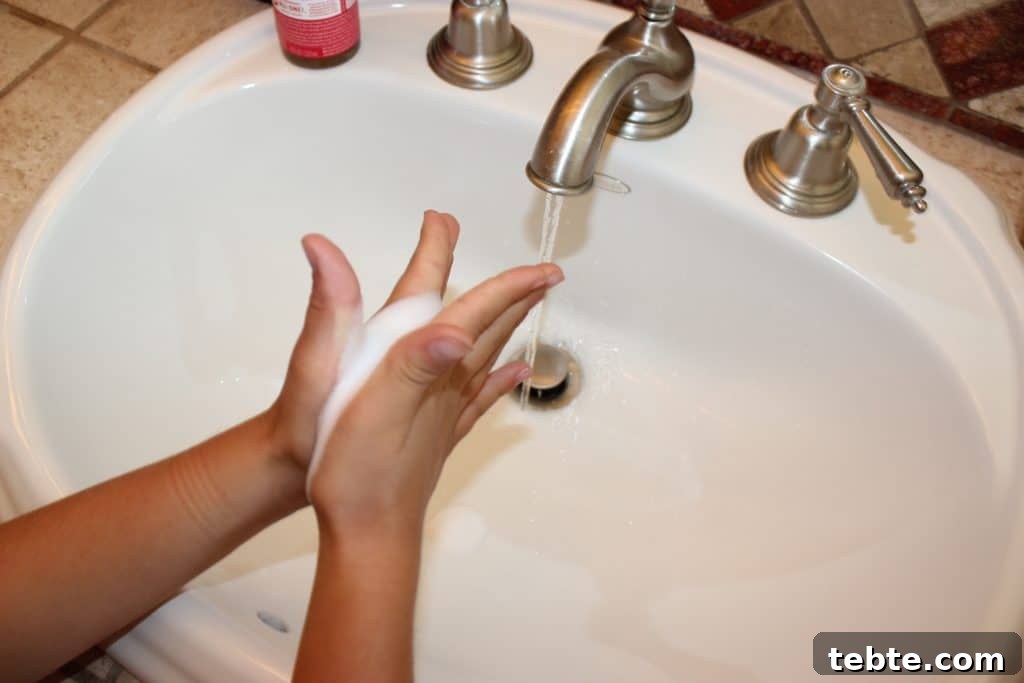
Toddlers and distracted adults sometimes scrub palms but neglect fingers, fingertips and nails. Fingertips touch faces, food and high-contact surfaces most often and are frequently the most contaminated areas. Be sure to wash between fingers, around thumbs, across fingertips and under nails.
The Why-Bother
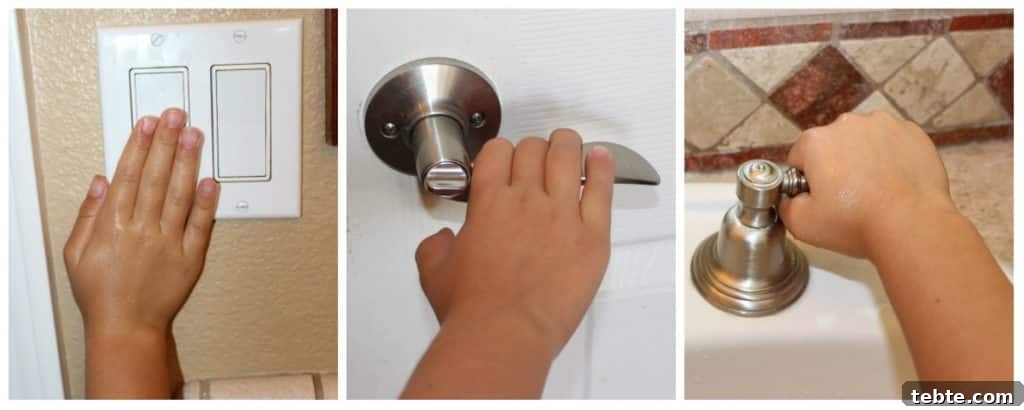
Even after a proper wash, recontamination can happen instantly by touching faucet handles, door plates, towel dispensers or light switches. When possible, use a paper towel, the back of your hand, an elbow or your sleeve to turn off taps and open doors. In public restrooms, avoid shared cloth towels—their cleanliness depends on everyone who has used them.
Teach and model good technique: wet hands, apply soap, rub thoroughly for at least 20 seconds covering all surfaces (palms, backs, between fingers, fingertips and under nails), rinse and dry with a clean towel or air dryer. Encourage children to take their time and make handwashing a routine: before eating or preparing food, after using the toilet, after coughing or sneezing, after outdoor play and after contact with sick people or animals.
Here is a printable visual reminder to post near sinks to help reinforce these steps:
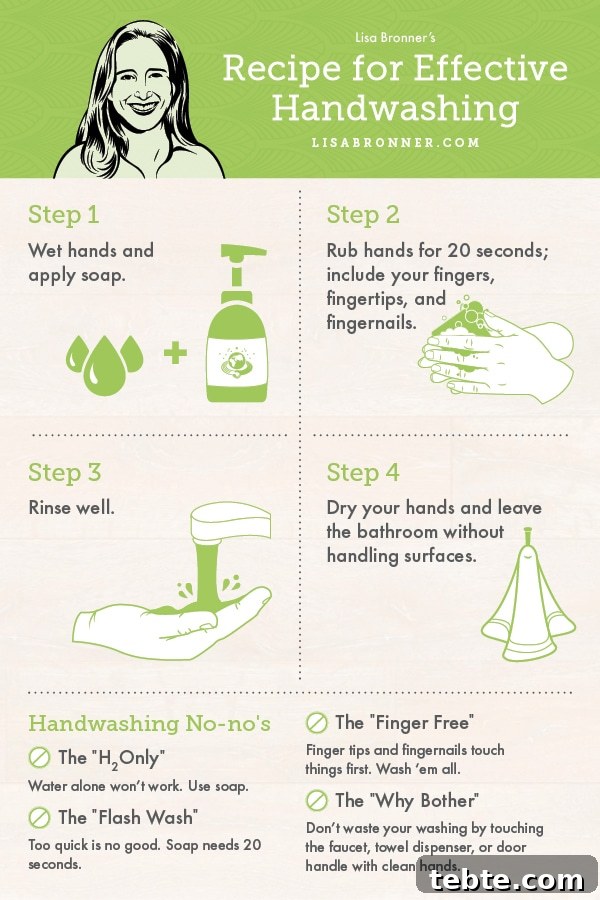
Download, print and display this reminder next to the sink for kids and household members to follow.
Review proper handwashing with yourself, household members, friends and their children. It may feel like a chore to remind and correct habits, but the payoff is real: fewer sick days, reduced medical visits, less cleaning and greater peace of mind.
Further reading
- Sal Suds Dilution Cheat Sheet
- Dilutions Cheat Sheet for Dr. Bronner’s Liquid Castile Soap
- My Hand Sanitizer – Armed and Ready
- Lip Balm – Not Just for the Lips