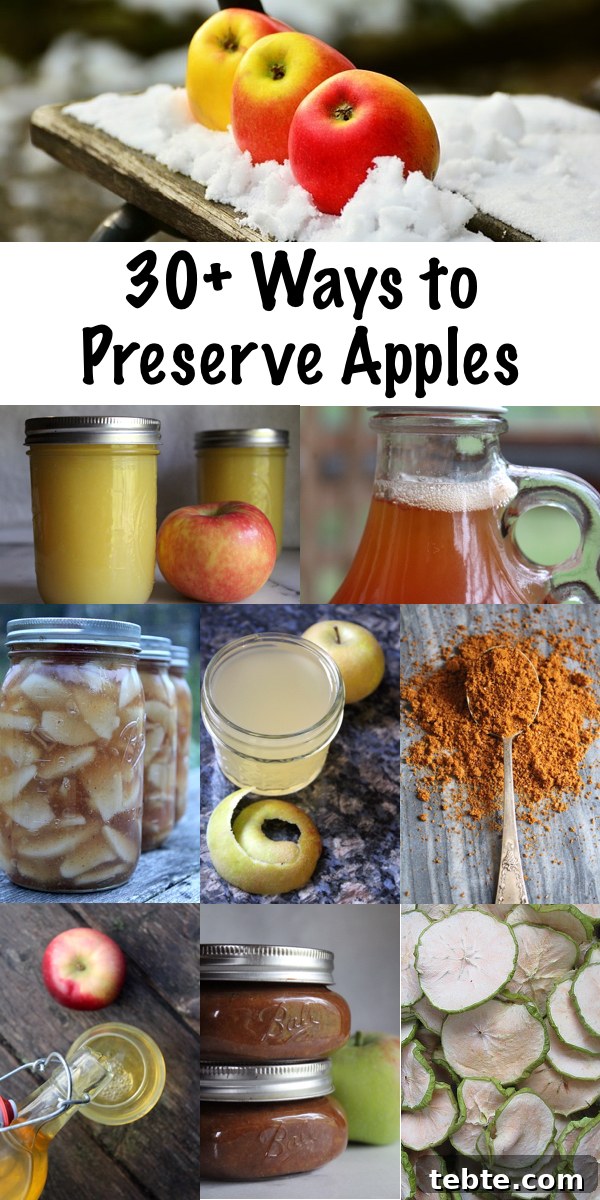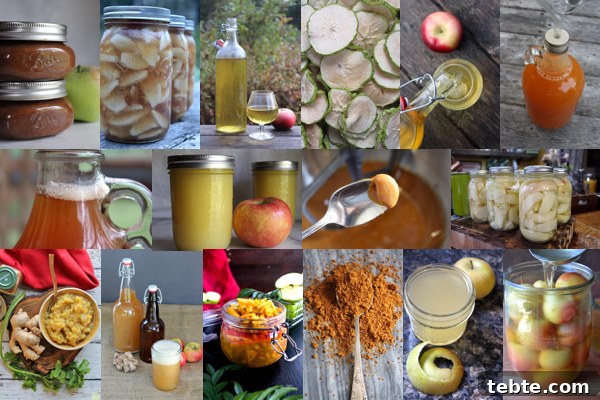
Apples have been a reliable winter crop for centuries, and their uses go far beyond applesauce. Long before canning and freezing became common, people developed many effective ways to preserve apples to last through the winter until spring harvests arrived.
In Vermont and similar northern climates, stored apples provided households with fresh fruit from October until early summer. Even without a dedicated root cellar, there are plenty of practical methods to preserve apples for long-term enjoyment.
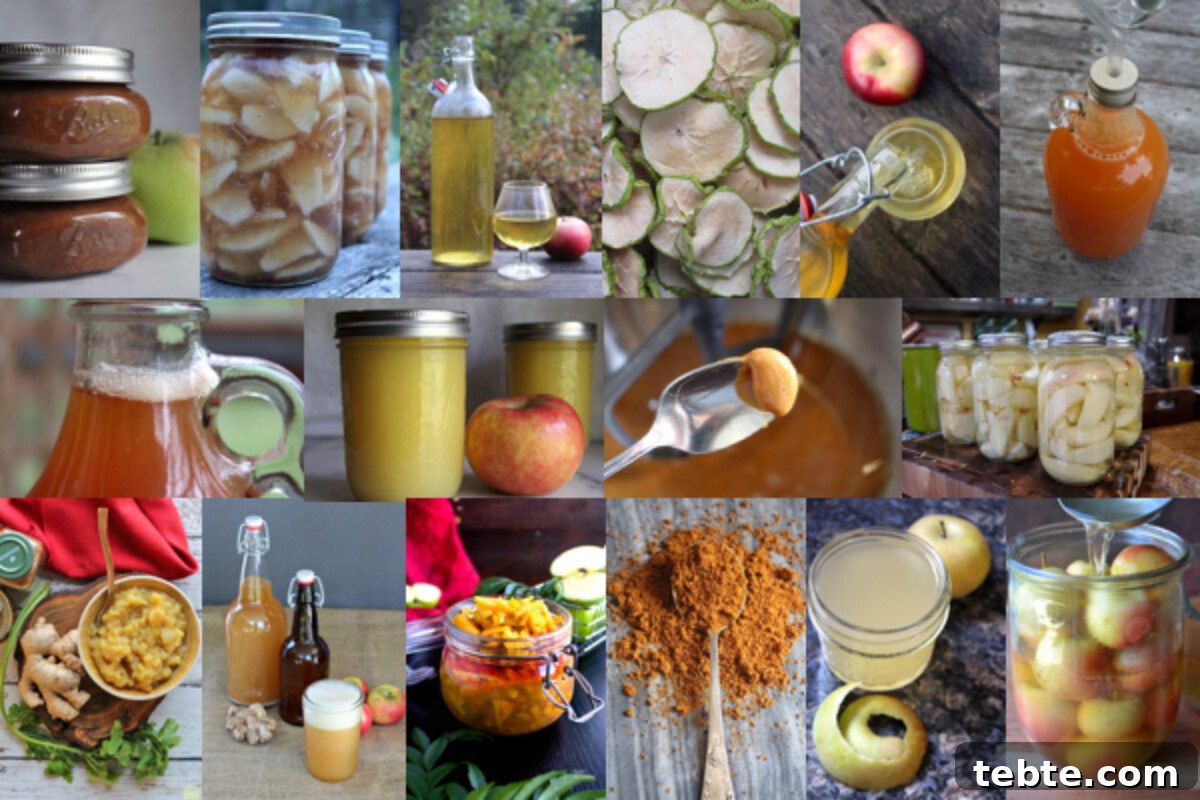
A harvest can be overwhelming. A standard apple tree can yield dozens of bushels in a good year, and even dwarf varieties produce several bushels. One bushel weighs about 42 pounds, so quickly you can end up with far more fruit than you can eat fresh.
Our permaculture orchard holds over 20 apple trees, some mature and some young. Each fall we look for diverse ways to preserve the crop, so I’ve gathered the best historical and modern methods here.
Root cellaring, hard cider production, canning, drying, fermenting and more all have their place. Below are tried-and-true techniques—from old-fashioned approaches that predate canning to contemporary methods that make storage easier.
Historical Apple Preservation Techniques
Before modern convenience, preserving apples was essential for survival in colder regions. Many traditional techniques remain useful today and have been adapted for modern kitchens. The following methods predate canning and still deliver excellent results.
Apple butter and cider jelly, for example, were made long before canned goods existed. They rely on concentrated fruit, sugar, and long cooking times to stay stable without refrigeration.
Root Cellaring
Root cellaring is one of the simplest and most effective ways to store apples. Many apple varieties keep for months in a cool, humid environment. Modern refrigeration simply mimics this controlled condition; much of the commercial apple supply is stored this way.
Not every variety stores well—summer apples tend to spoil quickly. Late-ripening varieties are typically the best for long-term storage. Properly harvested and packed, some apples will keep for a year or more in a cool basement or cellar.
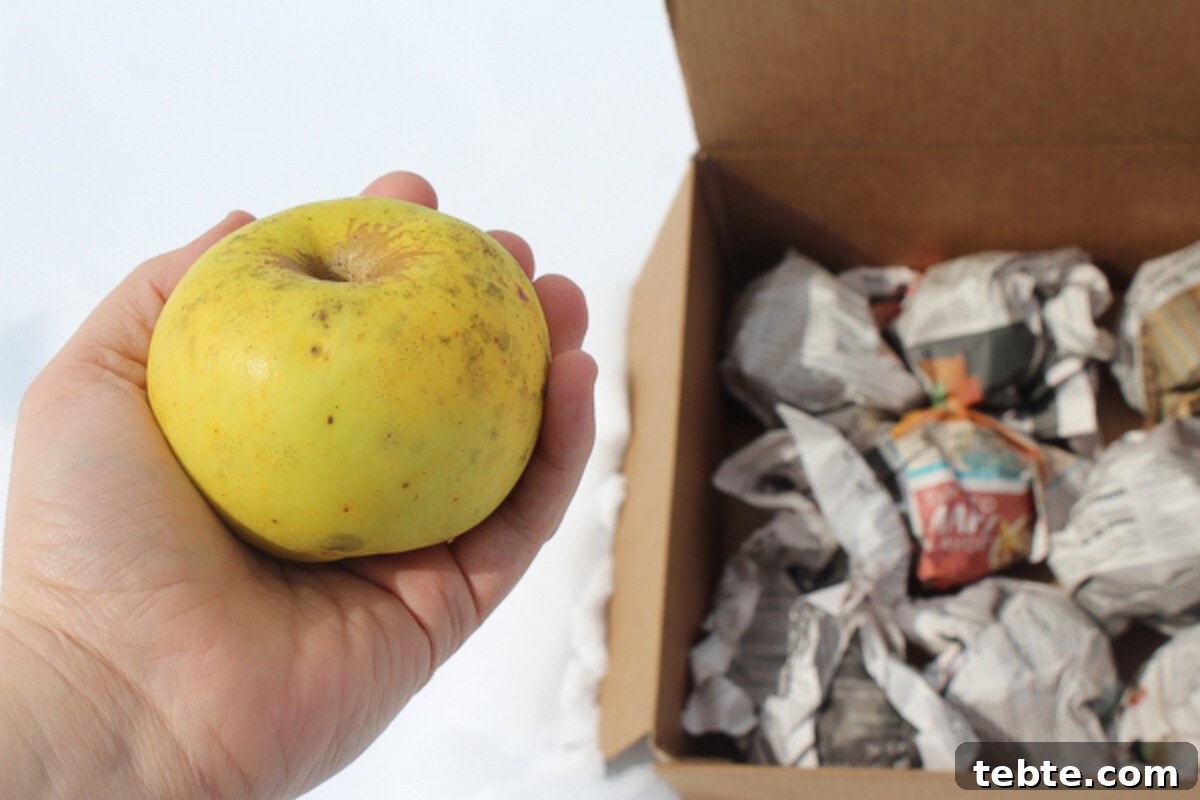
Our Newton Pippins, for example, store well in a 50°F basement when wrapped in newspaper and boxed. We’ve used them in pies 14 months after harvest.
Dehydrated Apples
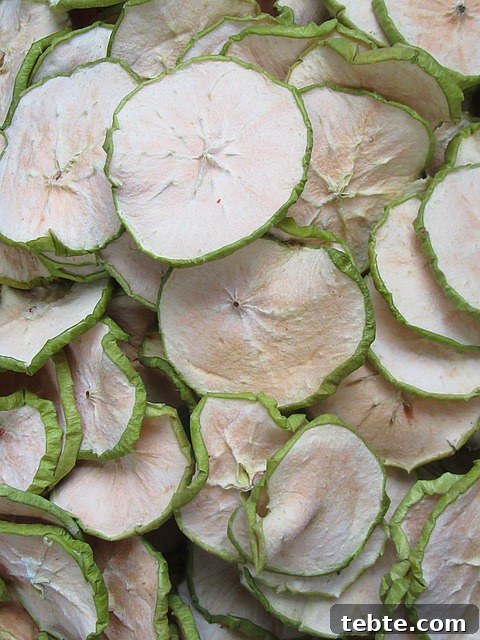
Drying apples is an age-old preservation method. Certain heirloom varieties were developed specifically for drying because their flavor improves when dehydrated. Dried apple rings and chips were commonly sun- or stove-dried historically, and today a food dehydrator speeds the process.
Dried apples pack well and store compactly; a few pounds of fresh apples can yield a jar of dried rings. Vacuum sealing prolongs shelf life and keeps the fruit flavorful for snacking or cooking.
Storing Apples on the Tree
In milder climates it was sometimes practical to store apples in the orchard. Late-ripening apples were picked in autumn and hung in cloth bags on the tree to remain cool and slightly humid—conditions similar to a root cellar.
Cloth bags provide airflow and protect fruit from pests. This method worked for certain varieties historically and can be useful in places where winter temperatures are moderate.
Cider Syrup
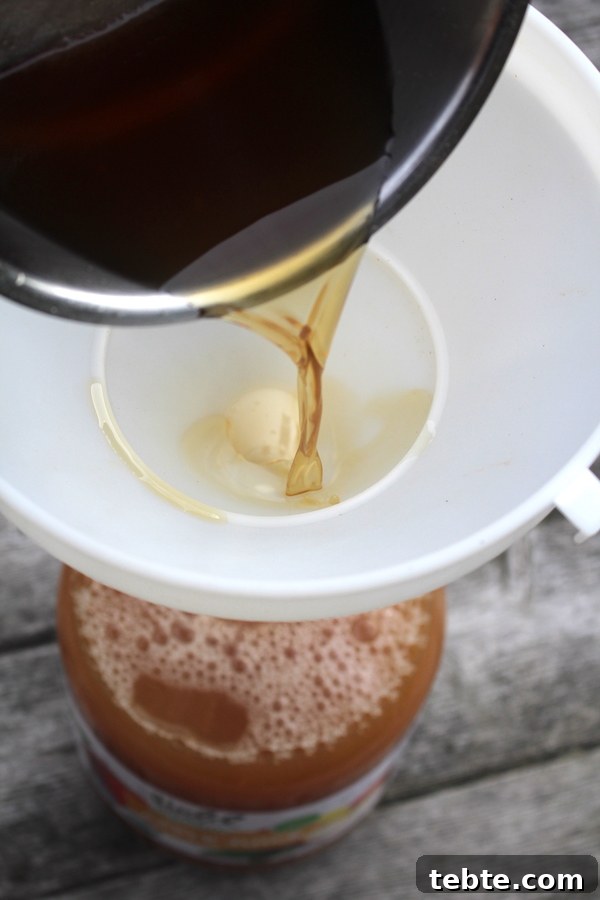
Cider syrup, also called boiled cider, is concentrated apple cider reduced until it reaches a thick, syrup-like consistency. Like maple syrup, it is shelf-stable and can be stored at room temperature. The process is straightforward: simmer fresh cider until it is reduced to roughly one-seventh of its original volume.
Cider Jelly
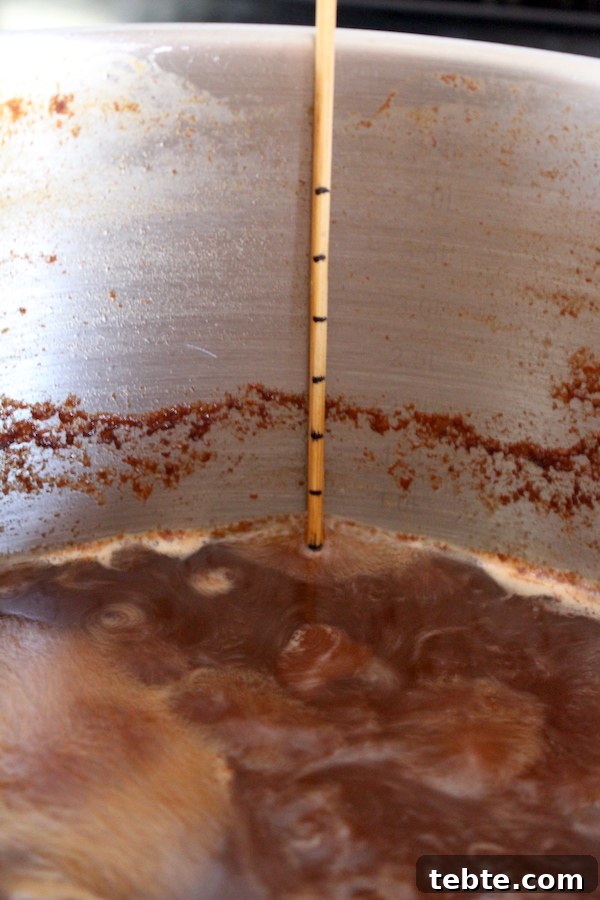
Traditional cider jelly is simply concentrated apple cider, reduced until it becomes a thick, shelf-stable spread. Unlike modern jellies that rely on added pectin, traditional cider jelly contains only cider and is cooked down to a much smaller volume—about one-ninth of the starting amount. Historically it was shelf-stable without canning because of its concentration.
Apple Butter
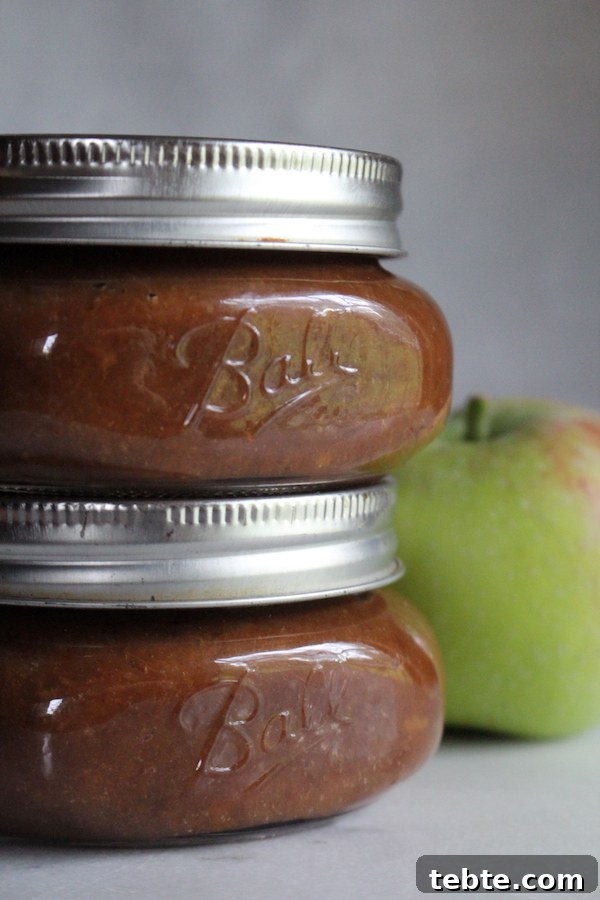
Apple butter is a richly flavored, slow-cooked apple spread that caramelizes into a deep brown preserve. It was made in large kettles over low heat for many hours in the past. The resulting high-acid, high-sugar spread preserves well when kept in a sealed container and cool storage. Modern slow cookers emulate the old method with far less effort, and canning extends shelf life further.
Apple Fruit Leather
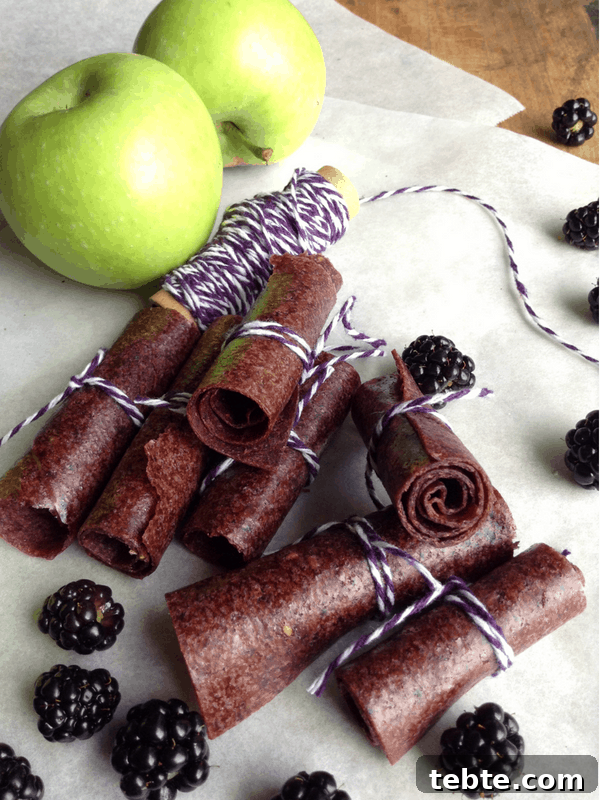
Fruit leather is made by spreading applesauce or apple butter thin and drying it until pliable. It stores well and makes a convenient, shelf-stable snack. Mixing apples with other fruits or vegetables adds interesting flavors and nutrients.
Apple Canning Recipes
Canning opens many possibilities beyond applesauce. Canning preserves apples in jars for ready use through the winter—slices, sauce, pie filling, chutneys and more can be prepared and processed to extend shelf life.
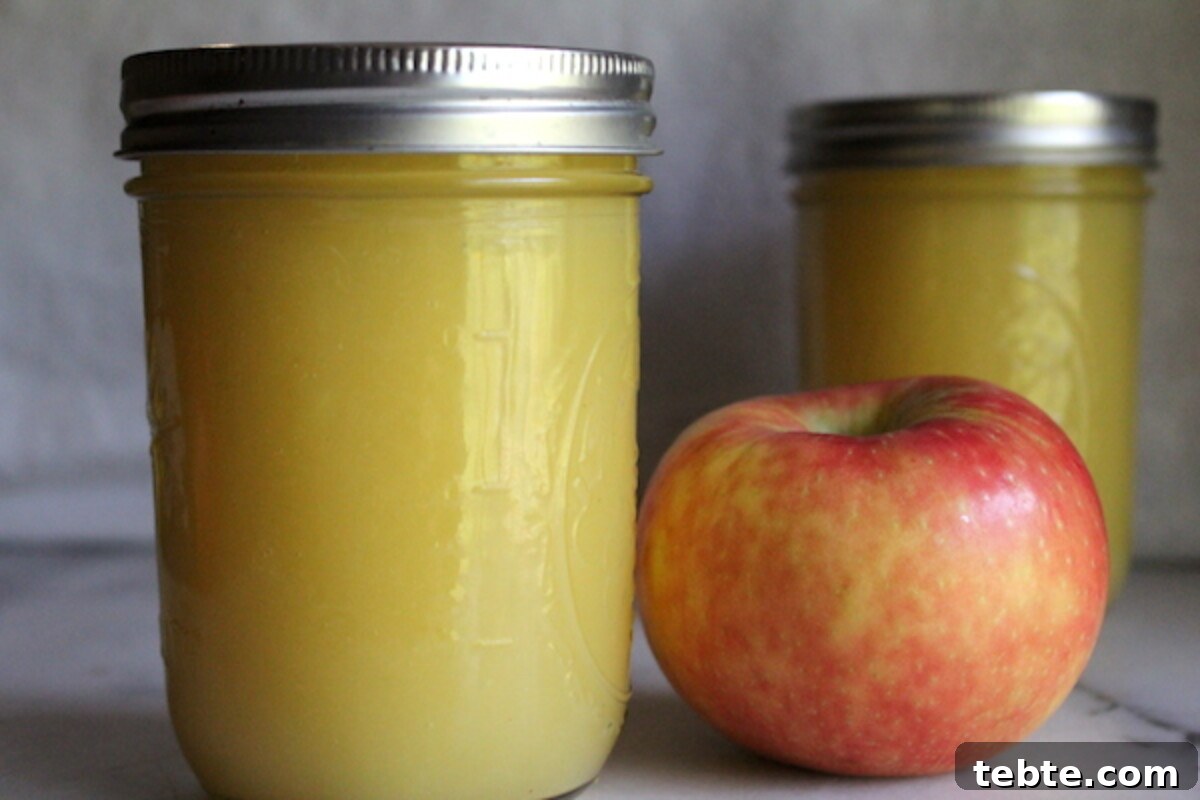
Applesauce
Canning applesauce is straightforward: cook apples until soft, process through a food mill for smoothness, and water-bath can. It’s efficient and yields ready-to-eat jars that keep well when processed correctly.
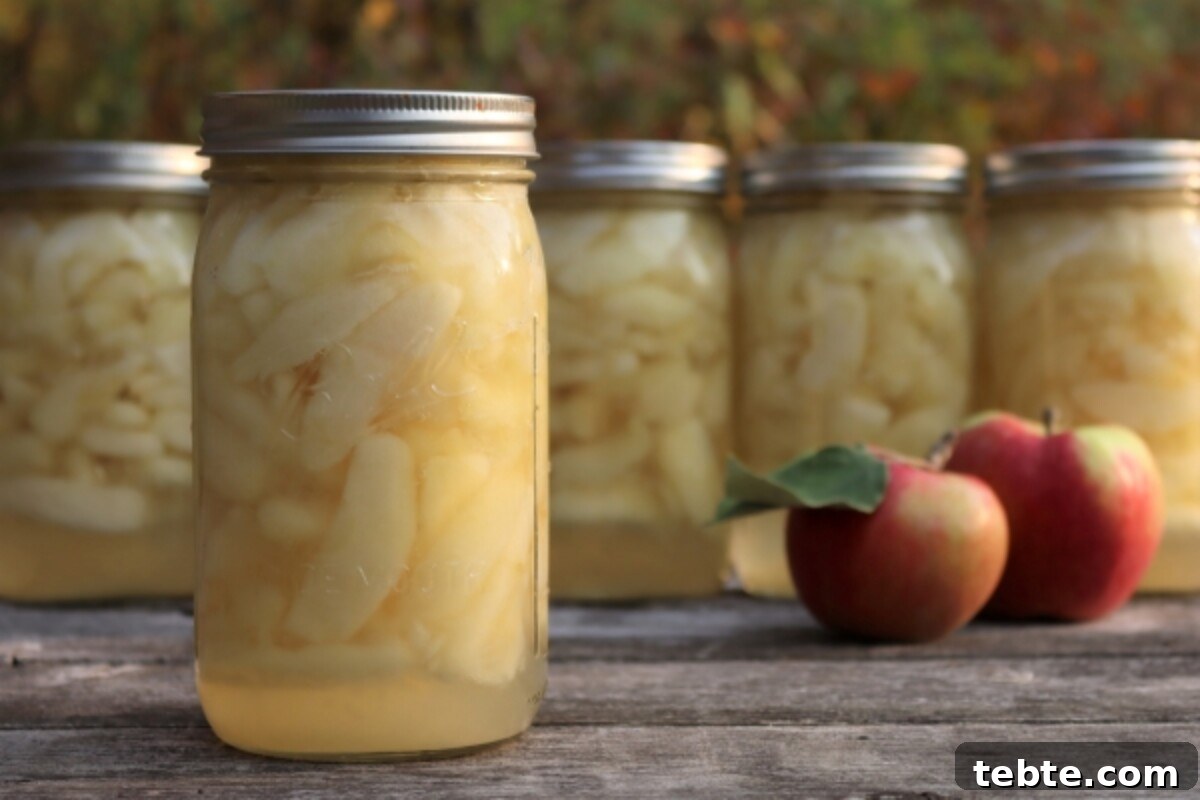
Canned Apple Slices
Canning apple slices is simple: slice, blanch briefly to preserve texture and color, pack in syrup, and process. The jars are versatile—use the slices for recipes or enjoy them straight from the jar.
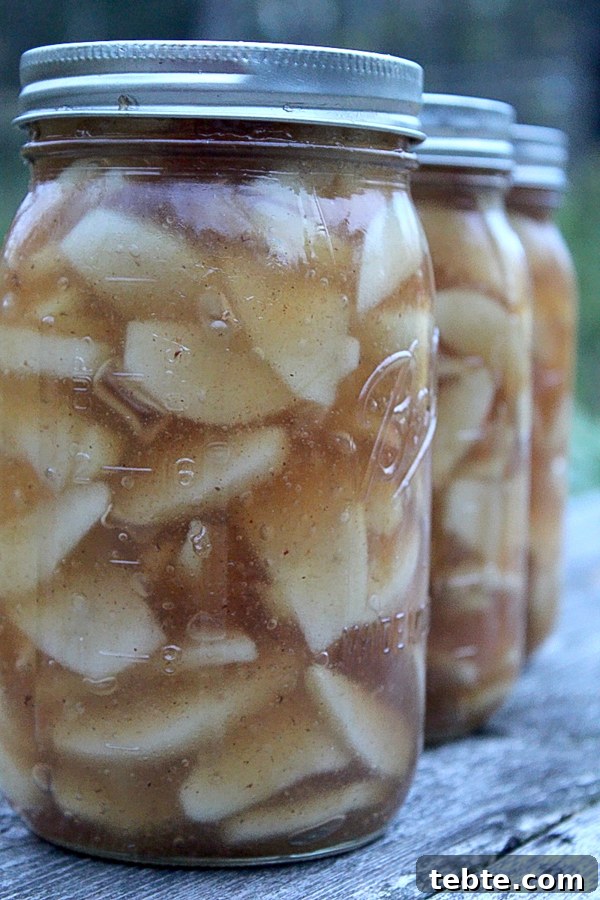
Apple Pie Filling
Canning apple pie filling saves time: jars contain pre-thickened, spiced apples ready for a quick pie. They’re ideal for busy days and give you fresh-baked flavor with minimal prep.
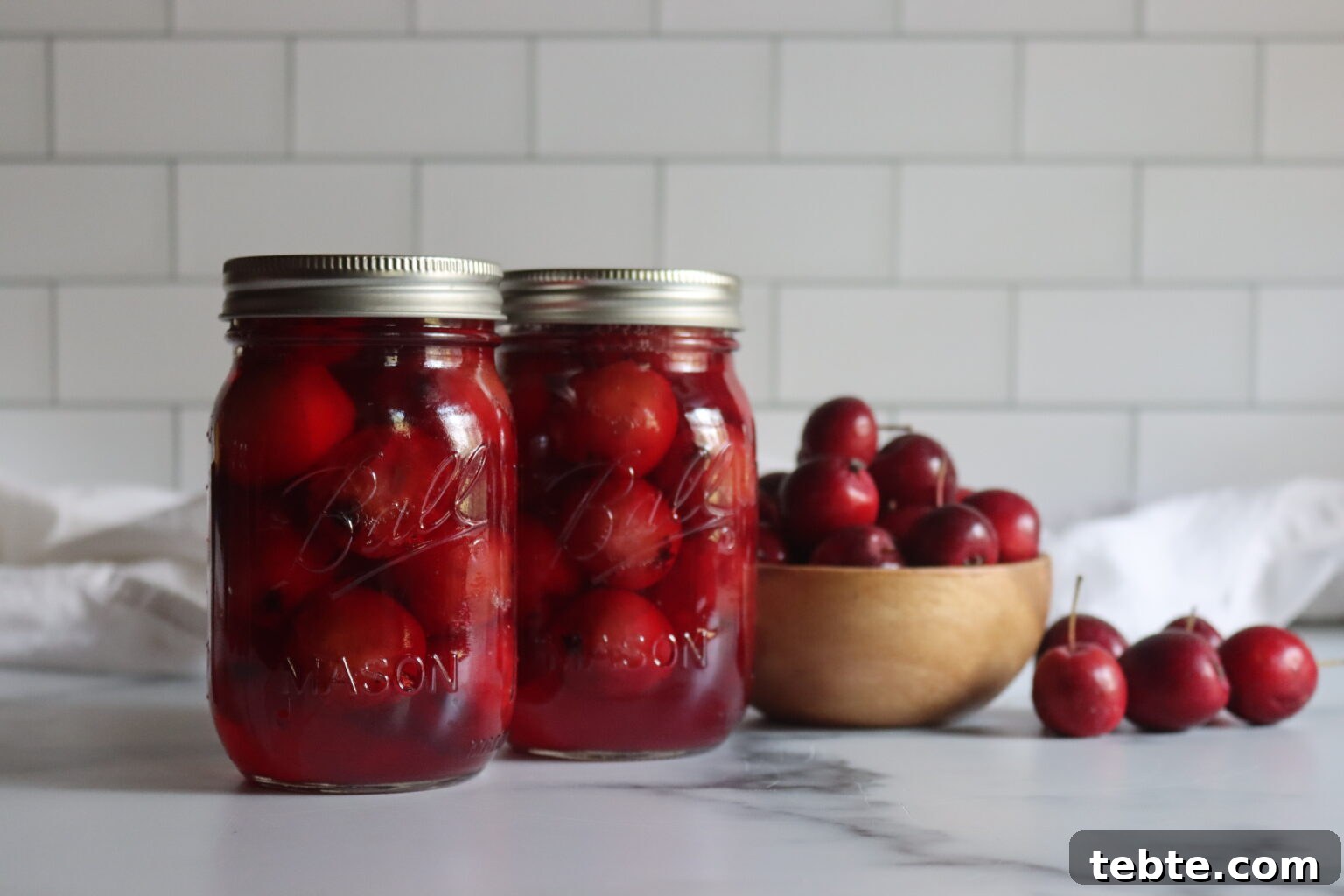
Canning Whole Apples
Canning whole apples or crabapples in spiced syrup is a delightful treat. Small heirloom varieties work especially well. Over time the syrup infuses the fruit, creating a unique preserve for desserts and special occasions.
Apple Pickles
Apples make excellent pickles. Their natural acidity means they preserve well, and adding vinegar and spices creates tangy condiments for salads, meats, and tacos. Pickled apple rings or diced apples add brightness to many dishes.
Apple Chutney
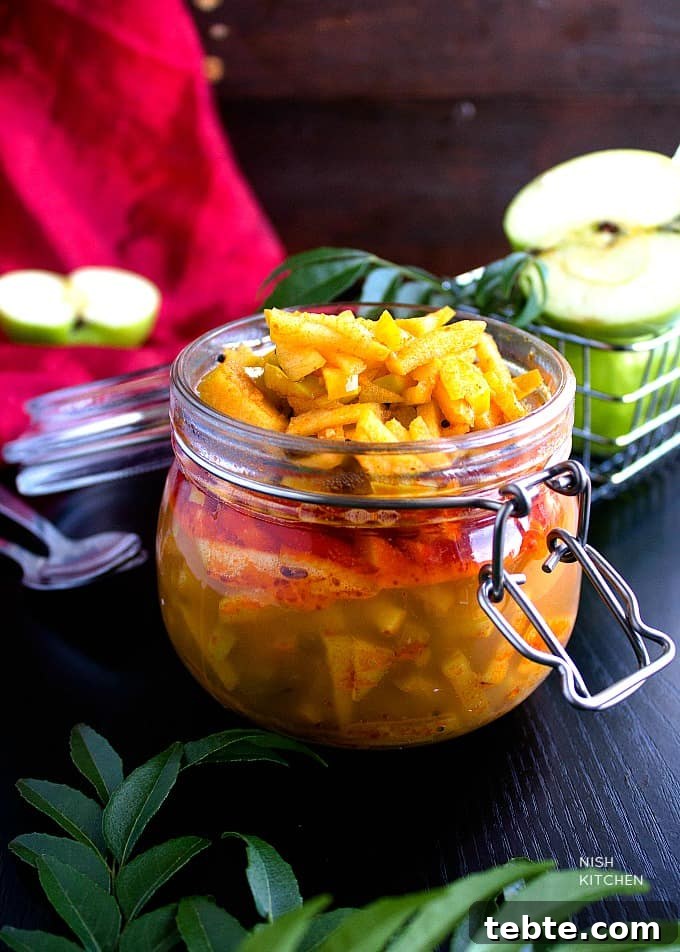
Apple chutney is a spiced, savory-sweet condiment originally used with Indian food but now appreciated in many cuisines. It pairs well with meats, cheeses, and holiday meals. Canning preserves the chutney for year-round use.
Apple Jam
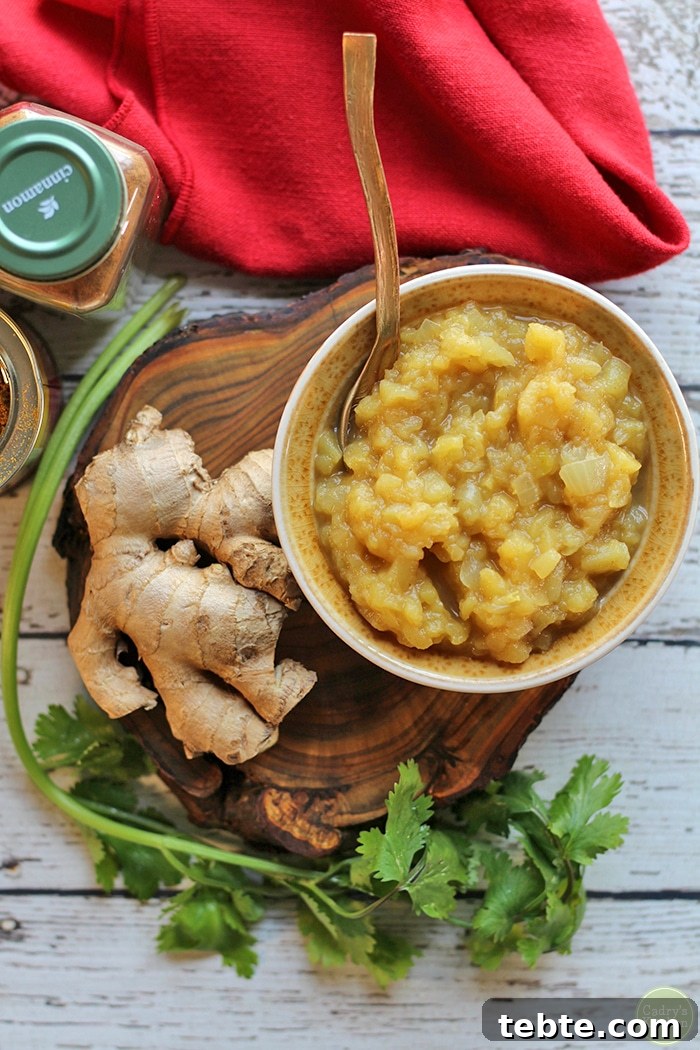
Apple jam emphasizes fruit texture and flavor. Diced apples macerated in sugar release juices that cook into a thick jam without added pectin, delivering a deeply apple-forward spread.
Apple Jelly
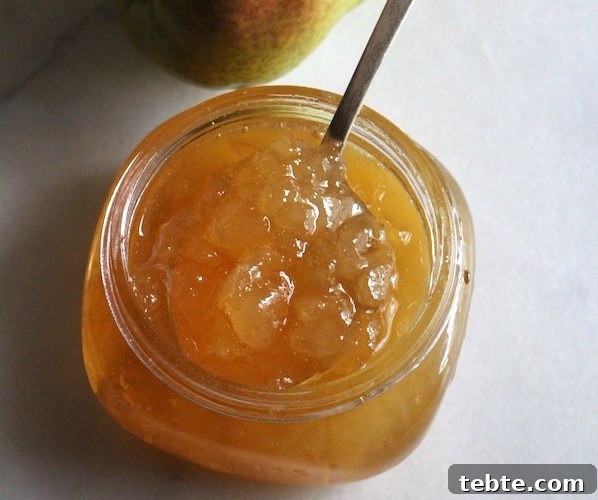
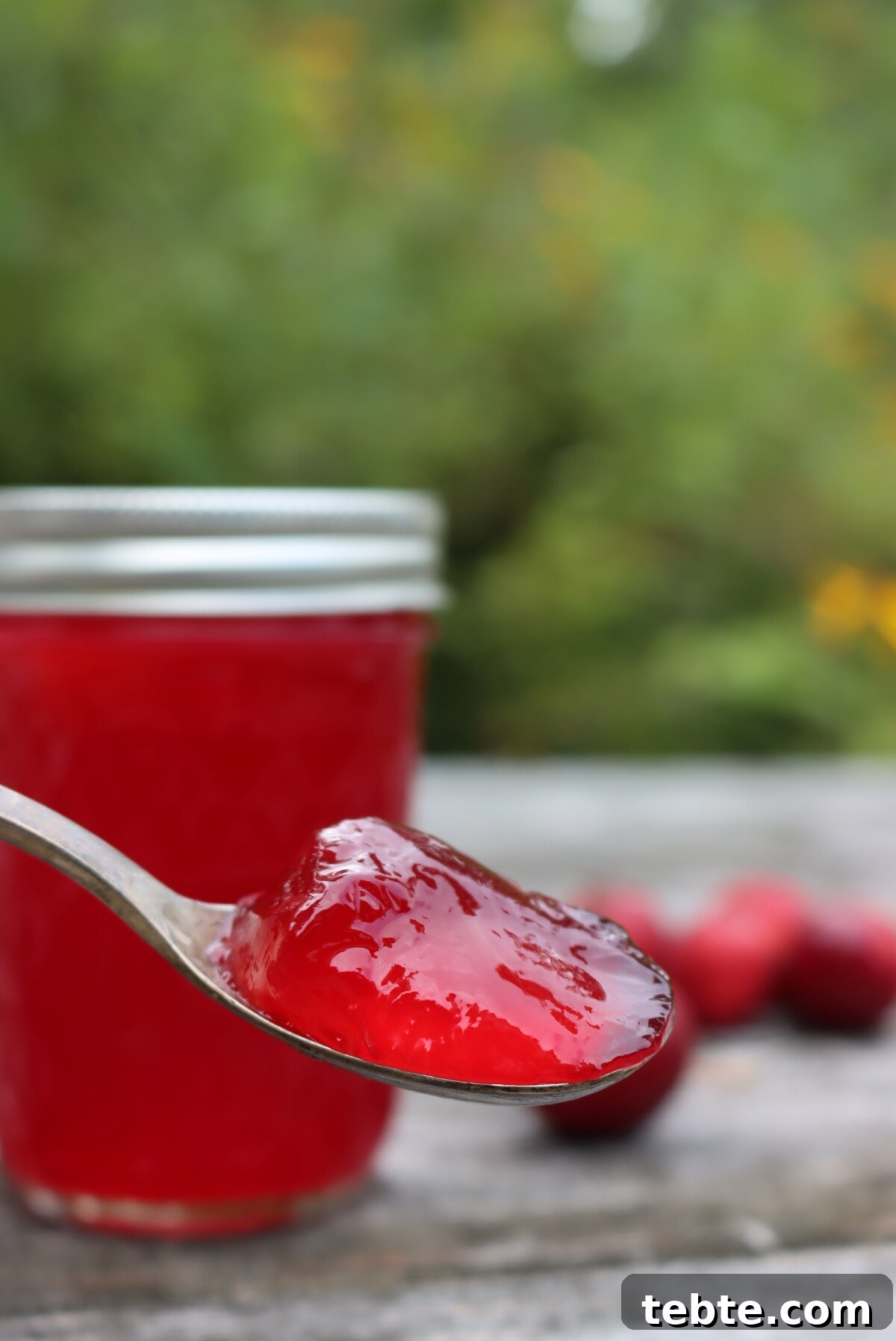
Apple jelly is made by cooking apples to extract juice and pectin, straining solids, and adding sugar to set. Crabapple jelly is a classic example and is prized for its clear, bright flavor.
Canning Fresh Cider
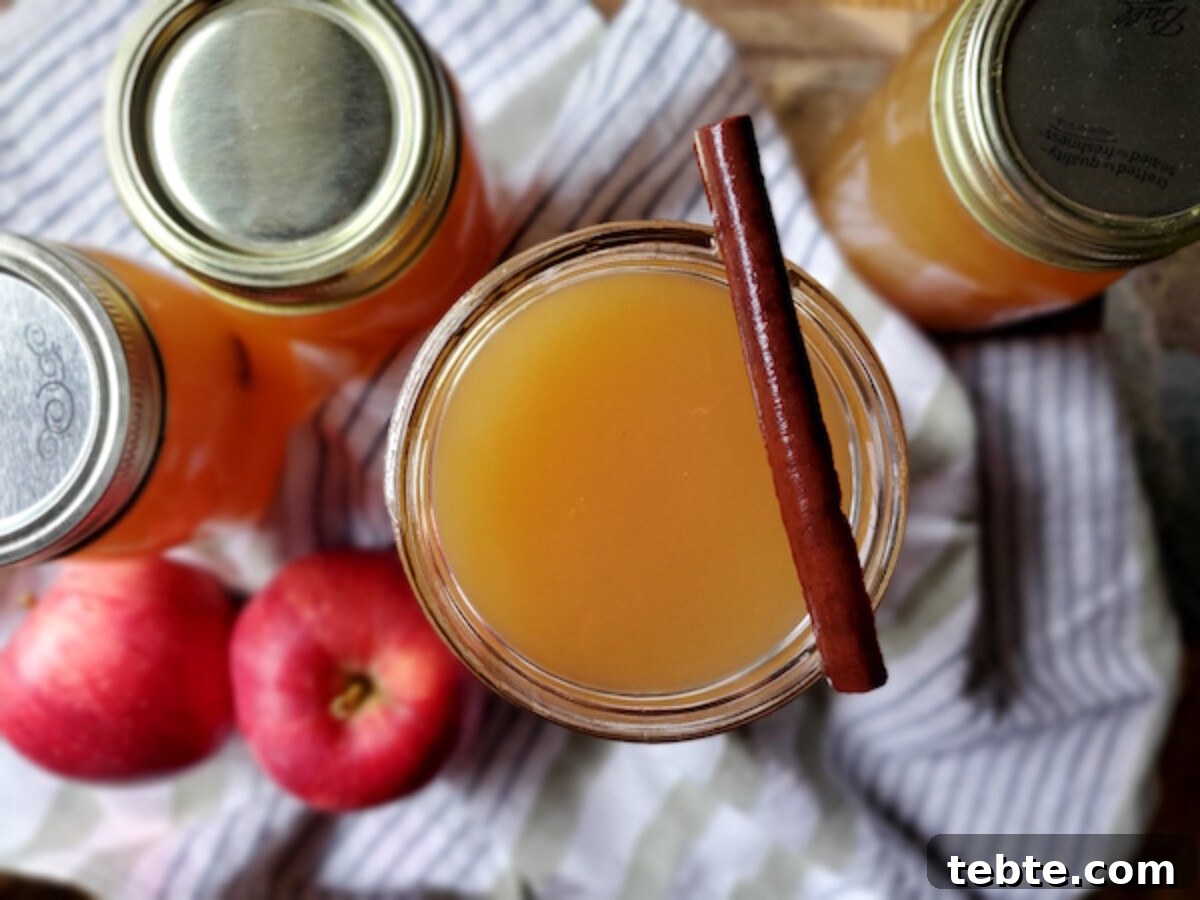
Canning fresh-pressed cider captures the flavor of real apple cider for the winter. The natural sugars and acidity make it quick to process. Home-canned cider is excellent for mulled drinks and holiday recipes.
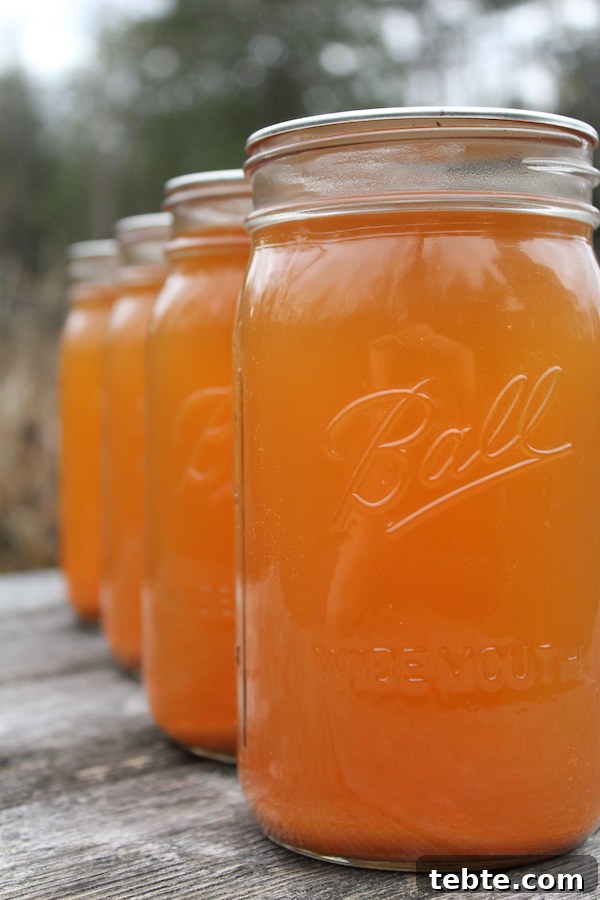
Apple Salsa
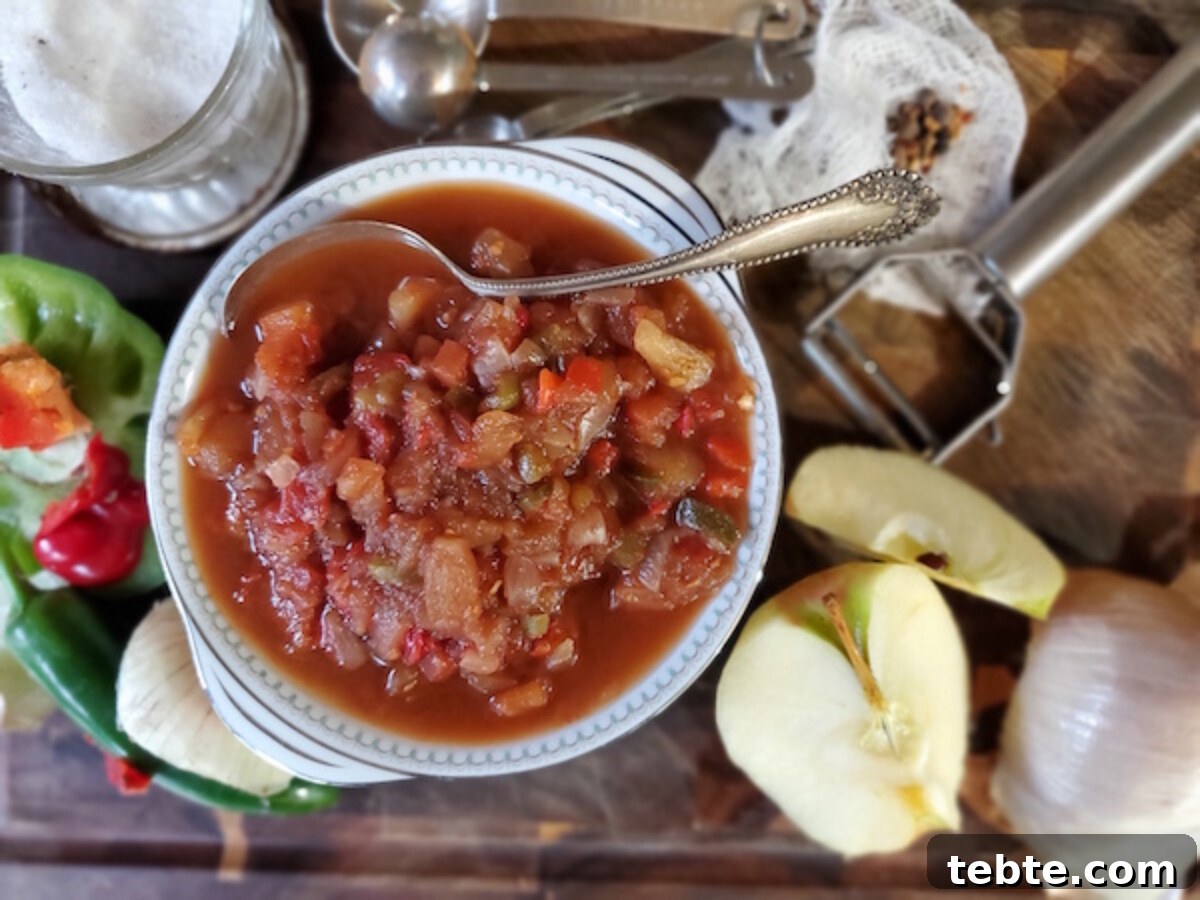
Apple salsa combines sweet, crisp apples with savory and spicy ingredients to make a bright condiment. Canning removes the crunch but locks in bold flavor for tacos, grilled meats, and snacks.
Apple Fermentation Recipes
Fermentation was one of humanity’s earliest preservation techniques. Depending on the microbes involved, fermented apple products range from vinegars and probiotic foods to alcoholic beverages.
Apple Cider Vinegar
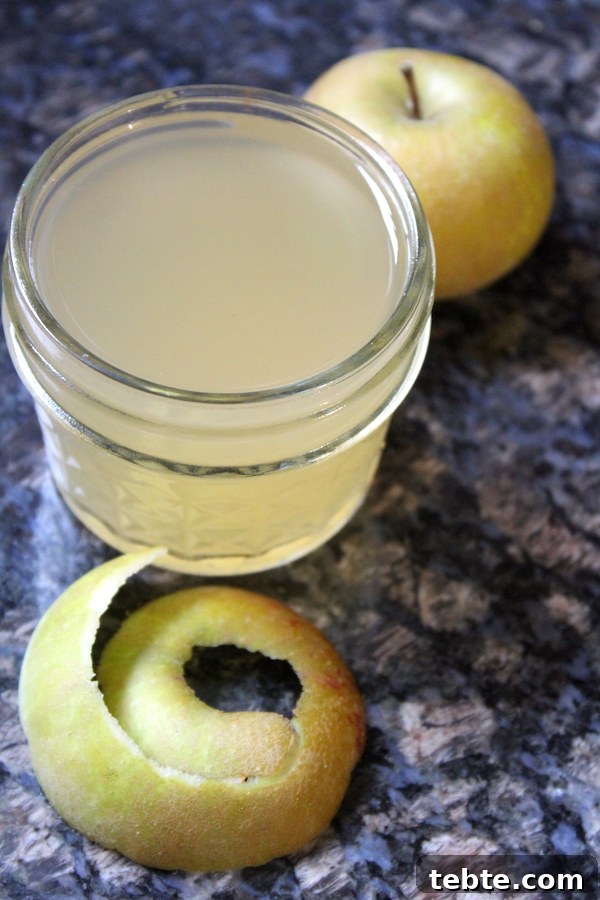
Apple cider vinegar can be made from fresh-pressed cider by allowing natural fermentation to proceed into vinegar. Alternatively, apple scrap vinegar uses peels and cores with added sugar and a starter culture. Both produce a flavorful vinegar useful for drinking shrubs, dressings, and preservation.
Hard Cider
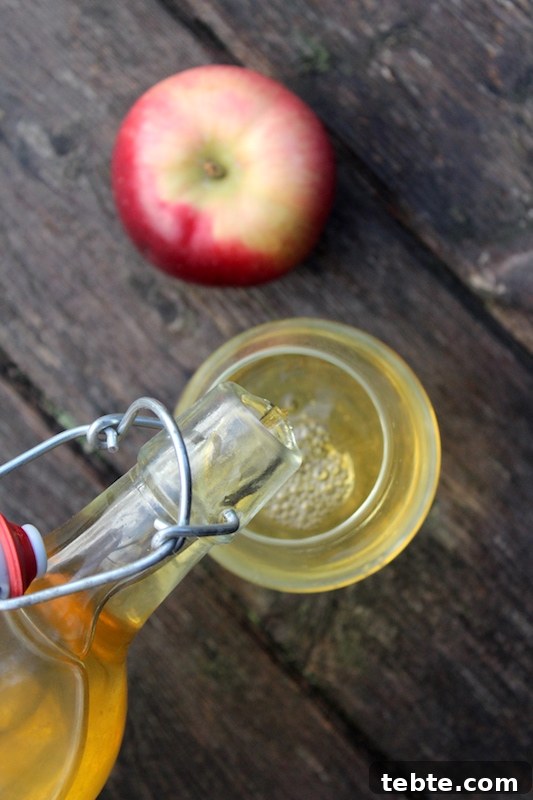
Hard cider is a nuanced craft. Certain apple varieties contribute sugar, tannin, acid and aroma that together create a balanced ferment. While modern ciders often use selected yeasts, traditional cider relied on wild yeast and orchard-specific blends.
Apple Wine
Apple wine differs from hard cider by using winemaking techniques and additives to balance the juice. When cider apple varieties are scarce, apple wine provides a flexible way to turn excess juice into a drinkable, cellarable beverage.
Ice Wine
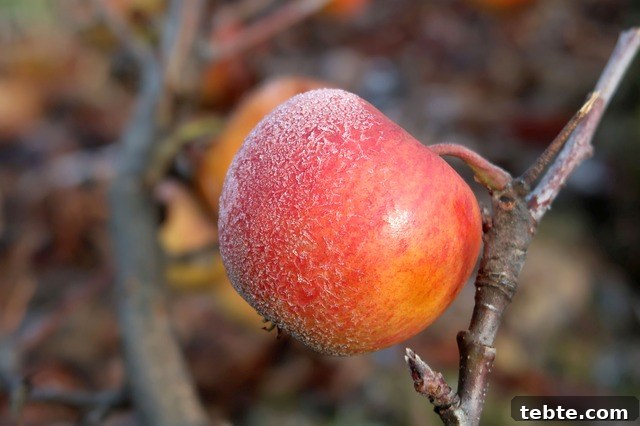
Ice wine is made by concentrating sugars through freezing—either by pressing partially frozen fruit or removing ice crystals from frozen juice. The result is an intensely sweet, syrupy wine intended to be enjoyed in small quantities with dessert.
Applejack
Applejack is traditionally produced by freeze-distilling fermented cider: freezing the beverage and removing ice concentrates the alcohol. Historically common in cold regions, it’s higher in alcohol than hard cider but may carry legal and safety considerations because impurities concentrate during freeze-distillation.
Apple Ginger Beer
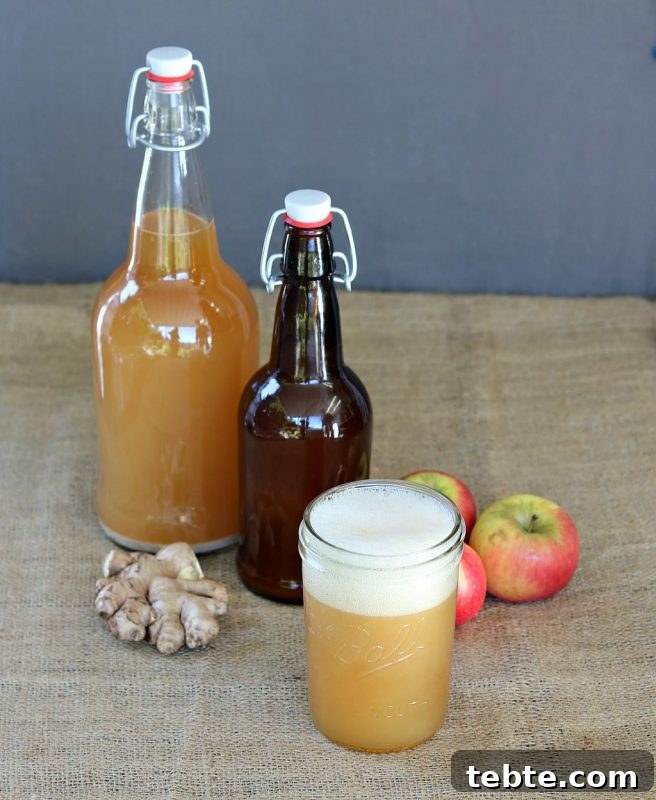
Apple ginger beer is a lightly fermented, soda-like beverage made with a ginger bug culture. It ferments quickly and yields a refreshing, family-friendly drink with subtle natural carbonation.
Apple Shrub
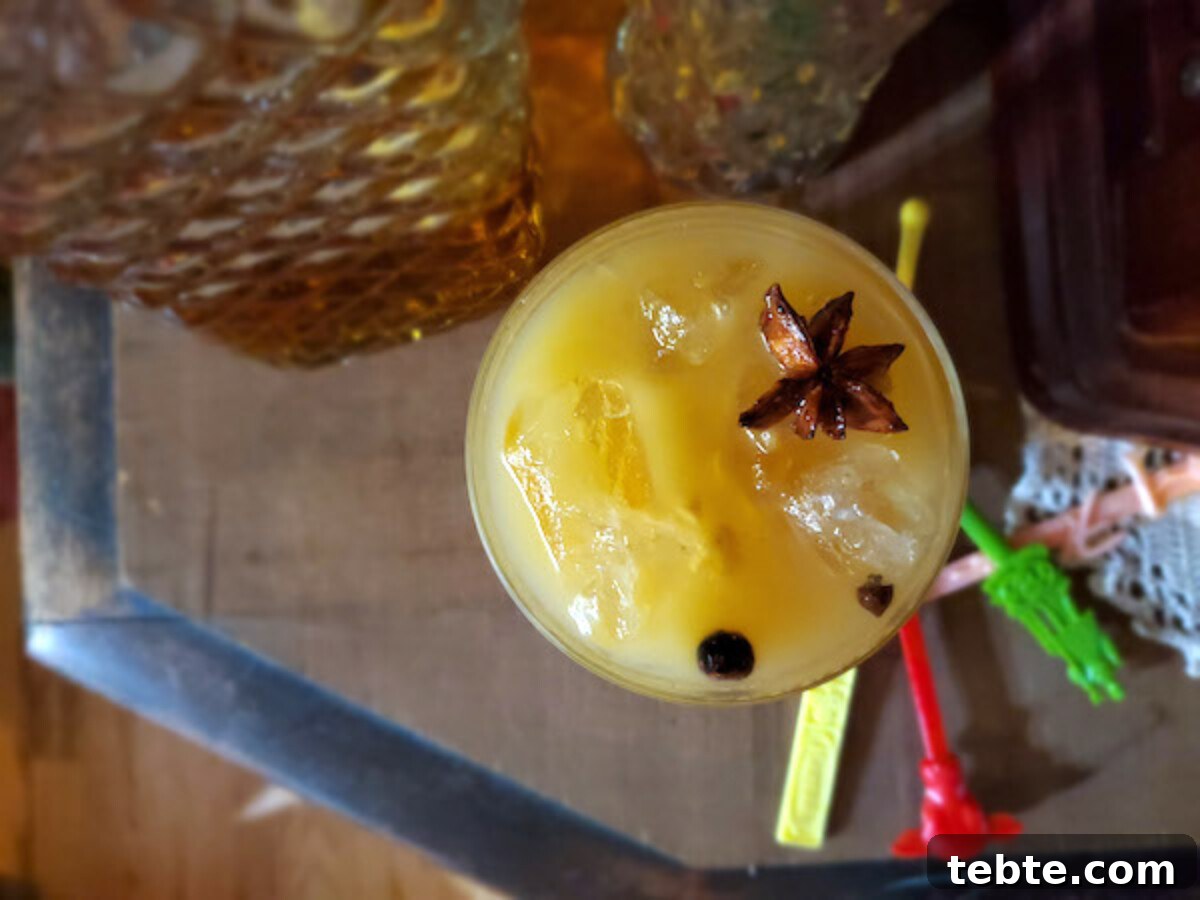
Shrubs are fruit concentrates made by steeping fruit in a vinegar-and-sugar mixture, then straining. The resulting drinking vinegar is a versatile concentrate for cocktails, sparkling water, and dressings. Shrubs originated as a way to preserve fruit for year-round use.
Brined Apples
A tradition in some regions, brined or lacto-fermented apples are cured in a salt brine and fermented through the winter. The result is a sweet-salty-tangy fruit with a translucent flesh and an intriguing flavor profile.
Apple Kraut
Apples pair beautifully with cabbage in sauerkraut. Adding apples to kraut creates a balanced sweet-and-sour ferment that complements sausages, pork and hearty winter meals.
Other Ways to Preserve Apples
Beyond canning, drying, and fermenting, many creative preservation methods make the most of every bit of the harvest.
Apple Cordial, Apple Brandy & Apple Moonshine
Infusing apples in spirits produces flavored cordials and liqueurs. Apples soaked in vodka or brandy yield aromatic syrups and boozy fruits that finish desserts and drinks throughout the winter.
Freezing Apples
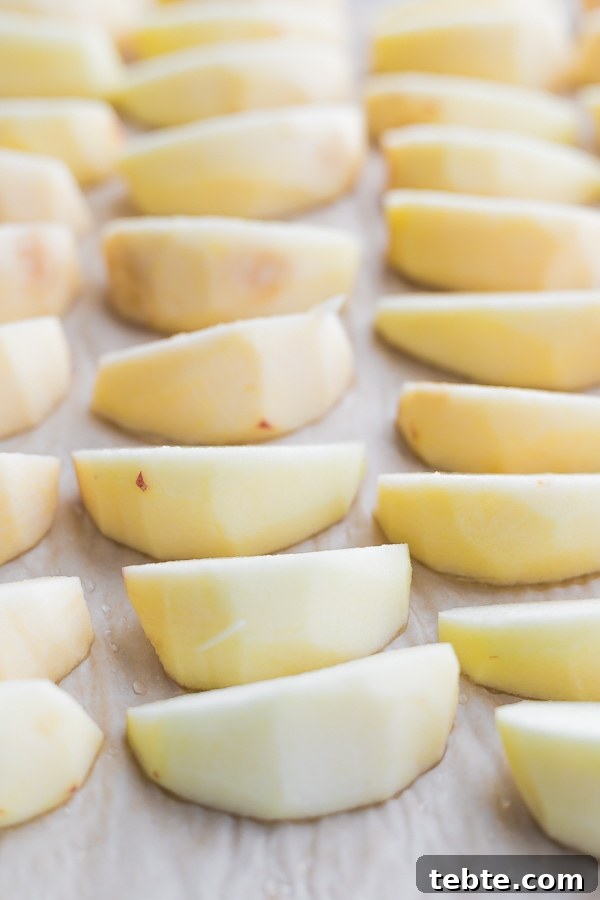
Freezing is a fast, convenient way to preserve apples. Slices benefit from blanching or treatment with lemon juice to prevent browning. Flash-freezing on a cookie sheet before bagging prevents clumping and keeps pieces easy to use.
Apple Sugar
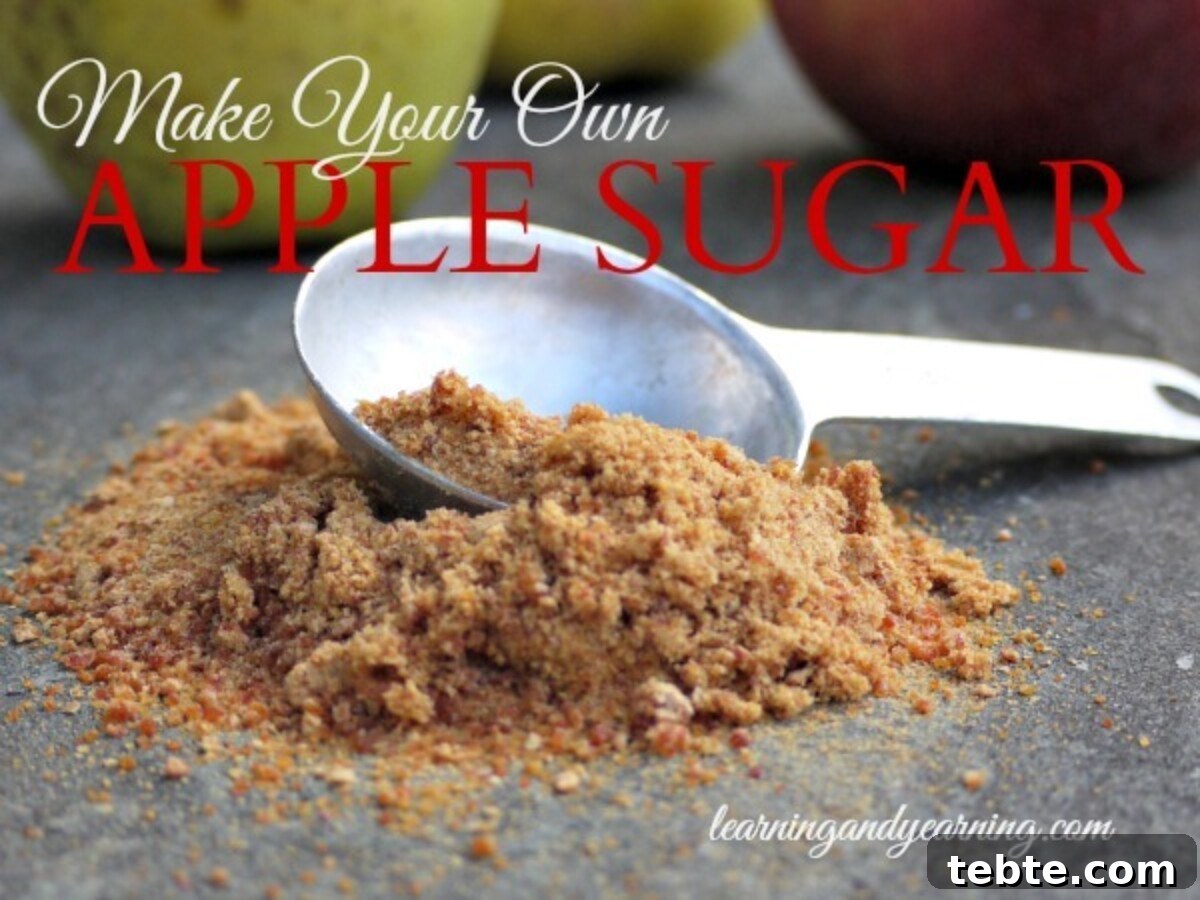
Apple pomace—the leftover pulp after pressing—still contains flavor. Dehydrating and grinding it produces an apple-flavored “sugar” useful for sweetening and adding apple notes to oatmeal, baked goods, and beverages.
Apple Cider Caramel
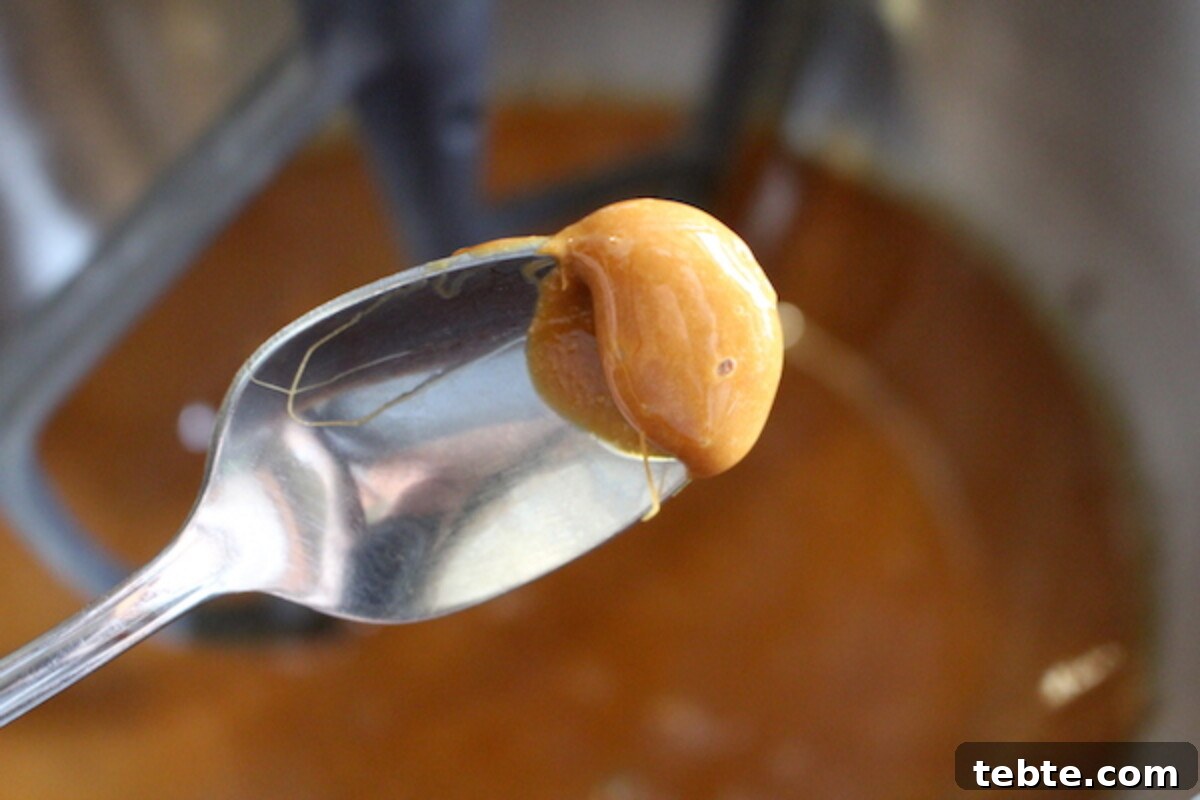
Reducing cider syrup further and whipping it can produce a rich apple caramel sauce. While attempts to make granulated apple sugar from cider may not always succeed, the caramelized result is a delicious, shelf-stable preserve perfect for desserts.
Freeze-Dried Apples
Home freeze dryers make freeze-drying more accessible. Freeze-dried apples retain texture and flavor remarkably well and rehydrate quickly for baking. Properly packaged, freeze-dried apples can remain high-quality for decades, making this one of the best long-term preservation methods.
Food Preservation Inspiration
If you’re inspired to preserve apples this season, there are more options than you might expect. Whether you prefer simple storage in a cool cellar, jars of sauce and pie filling, dried snacks, or fermented and alcoholic products, you can choose methods that match your equipment and taste.
If you have a favorite preservation method not covered here, consider trying it and sharing your results. A good harvest is best enjoyed year-round, and preserving apples is both practical and rewarding.