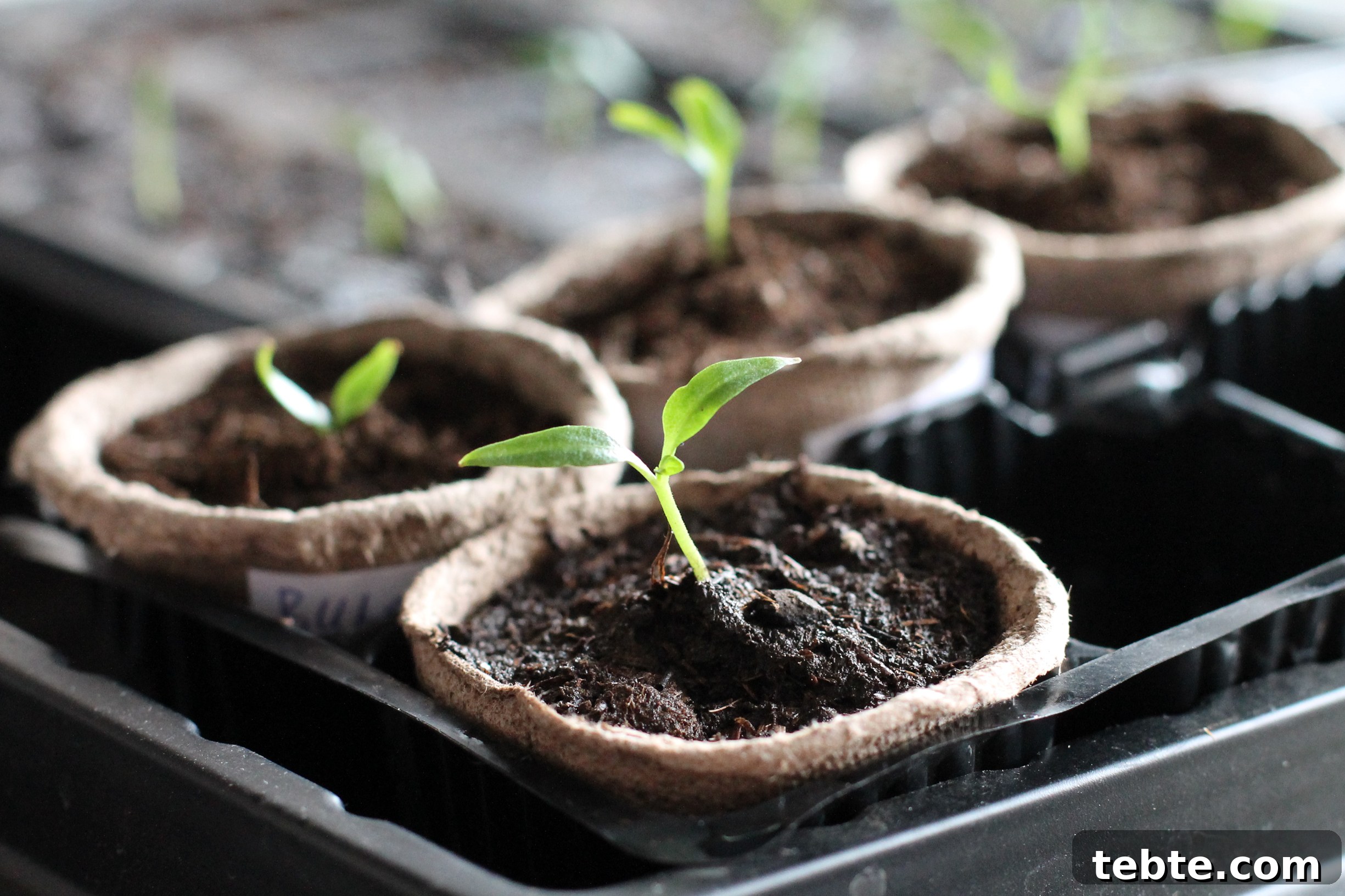
Jamie has spent decades cultivating large organic vegetable gardens and routinely raises his own starter plants in USDA zone 6. In this video, Judy explains the two different approaches he has used for starting seedlings and describes which method they now prefer.
Seedlings are the foundation of a successful organic garden, and Jamie’s experience shows how choosing the right method can make a major difference. Over the years he tested both a traditional tray-and-heat-mat approach and a simpler, no-heat method using insulated windowsill light. Each system has advantages, but their routine evolved as they learned what improves vigor, reduces transplant shock, and minimizes wasted seed.
In the heated tray method, seeds are sown into individual cells filled with a sterile seed-starting mix and placed on a heat mat set to maintain consistent bottom warmth. This encourages rapid and uniform germination, especially for warmth-loving crops like tomatoes, peppers, and eggplants. The warmth speeds root development and can shorten the time to transplant. However, it requires more equipment, vigilant moisture monitoring, and careful hardening off to prevent leggy, tender seedlings.
The no-heat method relies on locating trays where ambient temperatures are stable and moderately warm, such as a bright, insulated windowsill or a cold frame that receives consistent daytime warmth. Seeds are sown in the same sterile mix but kept at slightly cooler temperatures. Germination may be slower, yet seedlings often develop stockier stems and stronger root systems because they adapt to more natural fluctuations. This approach reduces energy use and equipment needs, making it attractive for gardeners who prefer minimal setup and lower cost.
Jamie and Judy emphasize a few universal practices that improve success regardless of method: use fresh, high-quality seed; sow at the depth recommended on the packet; avoid overwatering; ensure good air circulation to deter damping-off disease; and provide adequate light as soon as true leaves appear. Strong, even lighting—whether from a sunny window or full-spectrum grow lights—prevents stretching and encourages compact growth.
Timing is another important factor. Starting seeds indoors too early can lead to overgrown plants that suffer when moved outside, while starting too late shortens the season and can delay harvest. In zone 6, many gardeners aim to start cool-season crops several weeks before the last frost and warm-season crops later, once soil and night temperatures are reliably warmer. Jamie keeps a simple calendar tied to expected frost dates to plan seed-starting windows accurately.
Transplant technique and hardening off also play a crucial role. Gradually exposing seedlings to outdoor conditions over seven to ten days helps them acclimate to wind, lower humidity, and stronger light. Jamie typically begins with a few hours of morning sun in a sheltered spot, increasing exposure each day and withholding fertilizer during the transition to avoid stressing roots.
Ultimately, they settled on the method that best suits their priorities: consistent germination and speed when starting a large quantity of heat-loving varieties with a heat mat, and a simpler, more natural approach for hardier crops where energy efficiency and fewer inputs are preferred. Both approaches, when paired with careful attention to moisture, light, and timing, produce healthy seedlings ready to thrive in the garden.
For organic gardeners in zone 6, experimenting with both systems on a small scale can be the fastest way to determine which fits your routine, available space, and crop mix. The goal is the same: strong, well-rooted transplants that reduce loss in the garden and maximize productivity throughout the season.