
Super silky with a subtle roasted garlic punch, this Cauliflower Puree is an elegant, versatile, and easy side dish. It pairs beautifully with roast chicken, beef, pork chops, grilled meats, pot roast, or meatloaf. Simple and flavorful, it elevates many meals without fuss.
It happens to be low carb, but honestly I make it simply because it tastes wonderful. You will too.
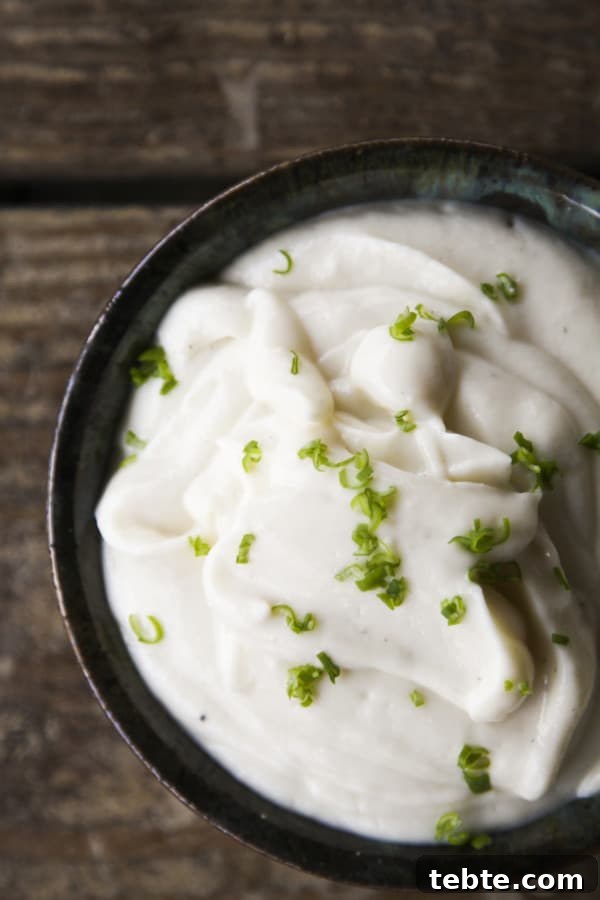
There’s no need to pretend cauliflower is a potato. It isn’t, and that’s fine—cauliflower has its own delicious character. Calling this dish “cauliflower puree” sets the right expectation: creamy, silky, and flavorful in its own right, not a substitute trying to be something else.
This Roasted Garlic Cauliflower Puree is exactly that—magnificent on its own. Its texture, gentle garlic depth, and versatility make it a standout side that complements many mains without overpowering them.
Our purée doesn’t need gimmicks. It’s simply excellent, and once you make it you’ll find yourself serving it often.
What to Look for When Buying Cauliflower
Choose a head that feels firm and compact with fresh green leaves. Good cauliflower has tight, bright white florets. Avoid heads with brown spots, loose or open buds, or a dull appearance—these are signs it is past its prime.
How to Store Cauliflower
Don’t wash cauliflower before storing; moisture speeds decay. If your cauliflower is shrink-wrapped, loosen the plastic so it’s not sealed. For unwrapped heads, place the cauliflower in a cloth or perforated plastic bag. Store it loosely wrapped, stem-side up, in the refrigerator for up to five days.

Cauliflower Puree Recipe
Why this works: silky texture, a subtle roasted garlic bite, and a light, creamy mouthfeel. We paired it with meatloaf and loved it. It’s an excellent low-carb alternative to mashed potatoes, but don’t think of it as a replacement—think of it as a delicious option that deserves its place on the table.
Making this puree is straightforward. Remove the core and leaves with a paring knife, then cut the cauliflower into evenly sized florets so they cook uniformly. I prefer to cook the cauliflower in a mixture of milk and water, but you can use broth or only water if you prefer. The recipe aims for about 8 cups of cooking liquid total.
After cooking, drain the cauliflower thoroughly—ten minutes in a colander is ideal. If you skip this step, you’ll end up with a watery puree. Draining ensures a creamy, scoopable texture rather than a sauce.
For roasted garlic, I like a bold flavor and use eight cloves, but reduce to two cloves if you want something milder. Either way, roasted garlic blends into the puree beautifully.
For an ultra-smooth finish, use a high-powered blender. If your blender is smaller, puree in batches or use a stick blender after returning the drained cauliflower to the pot. For a more rustic texture, a potato masher or hand mixer works just fine.

For the creamy element, plain unsweetened Greek yogurt is my favorite, but sour cream is a fine substitute. To add richness, swap some or all of the yogurt for goat cheese, cream cheese, or heavy cream, or simply stir in a tablespoon or two of butter at the end. These swaps will alter nutrition slightly but will be delicious.
This puree is delightful on its own, and it also makes a lovely sauce for vegetables such as green beans or mushrooms—thin it with a little water or stock to reach the desired consistency. Chilled, it becomes a tasty dip for raw vegetables or pretzels, and spread on toast it’s a great base for a fried egg.
Recipes with Cauliflower Puree
The puree is forgiving and adaptable. For subtle herbal notes, simmer a sprig of thyme with the cauliflower while it cooks. Use the puree as a white sauce on pizza, or thin it into a pasta sauce. Once you have a batch in the fridge, experiment—its creamy neutral base welcomes many variations.
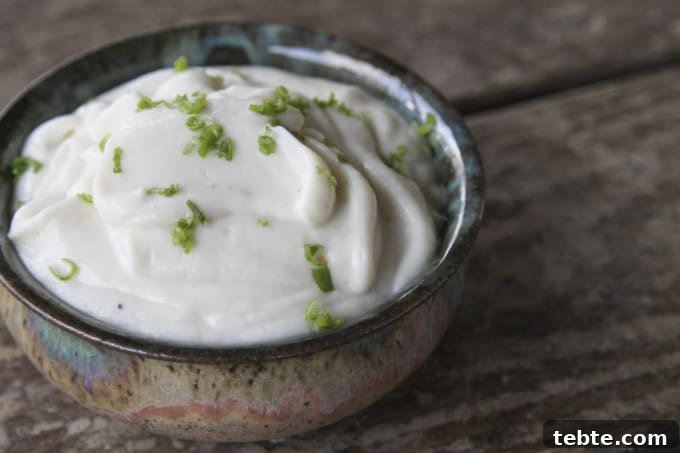
Cauliflower Puree
Add the cut cauliflower, milk, and water to a stockpot or deep saucepan. Bring to a boil, reduce heat, and simmer, uncovered, for 10 to 15 minutes, or until the cauliflower is fork-tender.
Pour the cooked cauliflower into a colander and let it drain for 10 minutes. Draining the full ten minutes is important—any remaining liquid will thin the puree.
After draining, puree the cauliflower with roasted garlic, Greek yogurt, black pepper, and nutmeg in a blender or food processor until silky smooth. Alternatively, return the cauliflower to the pot and use a hand blender, potato masher, or even a spoon for a more rustic texture. Taste and adjust salt as needed. Garnish with minced green onions if desired.
Serve immediately, or store in an airtight container in the refrigerator for up to four days. For longer storage, divide into single-serving containers and freeze for up to three months.

Cauliflower Puree
Rebecca Lindamood
Equipment
- 1 medium saucepan
- 1 blender, or stick blender, food processor, potato masher, or hand mixer
Ingredients
- 1 head cauliflower, leaves and core removed, cut into even florets
- 2 cups milk (or water or broth)
- 8 cups water (or chicken or vegetable stock)
- 2 to 8 cloves roasted garlic, to taste
- 2/3 cup plain Greek yogurt (or sour cream)
- 1 1/2 teaspoons kosher salt
- 1/2 teaspoon freshly ground black or white pepper
- 1/8 teaspoon freshly grated nutmeg
Optional:
- Minced green onions for garnish
Instructions
- Add the cut cauliflower, milk, and water to a stockpot. Bring to a boil, lower the heat, and simmer uncovered for 10–15 minutes, until tender.
- Drain the cauliflower in a colander for 10 minutes; removing excess liquid is essential.
- Puree the drained cauliflower with roasted garlic, Greek yogurt, black pepper, and nutmeg in a blender or food processor until silky. Alternatively, use a hand blender or mash for a rustic texture. Adjust salt to taste.
- Serve with minced green onions if desired. Store in an airtight container in the refrigerator for up to 4 days or freeze for up to 3 months.
Nutrition
Carbohydrates: 5 g
Protein: 5 g
Fat: 3 g
Sodium: 636 mg
Nutritional information is an estimate. Calculate using the actual ingredients you use if needed.