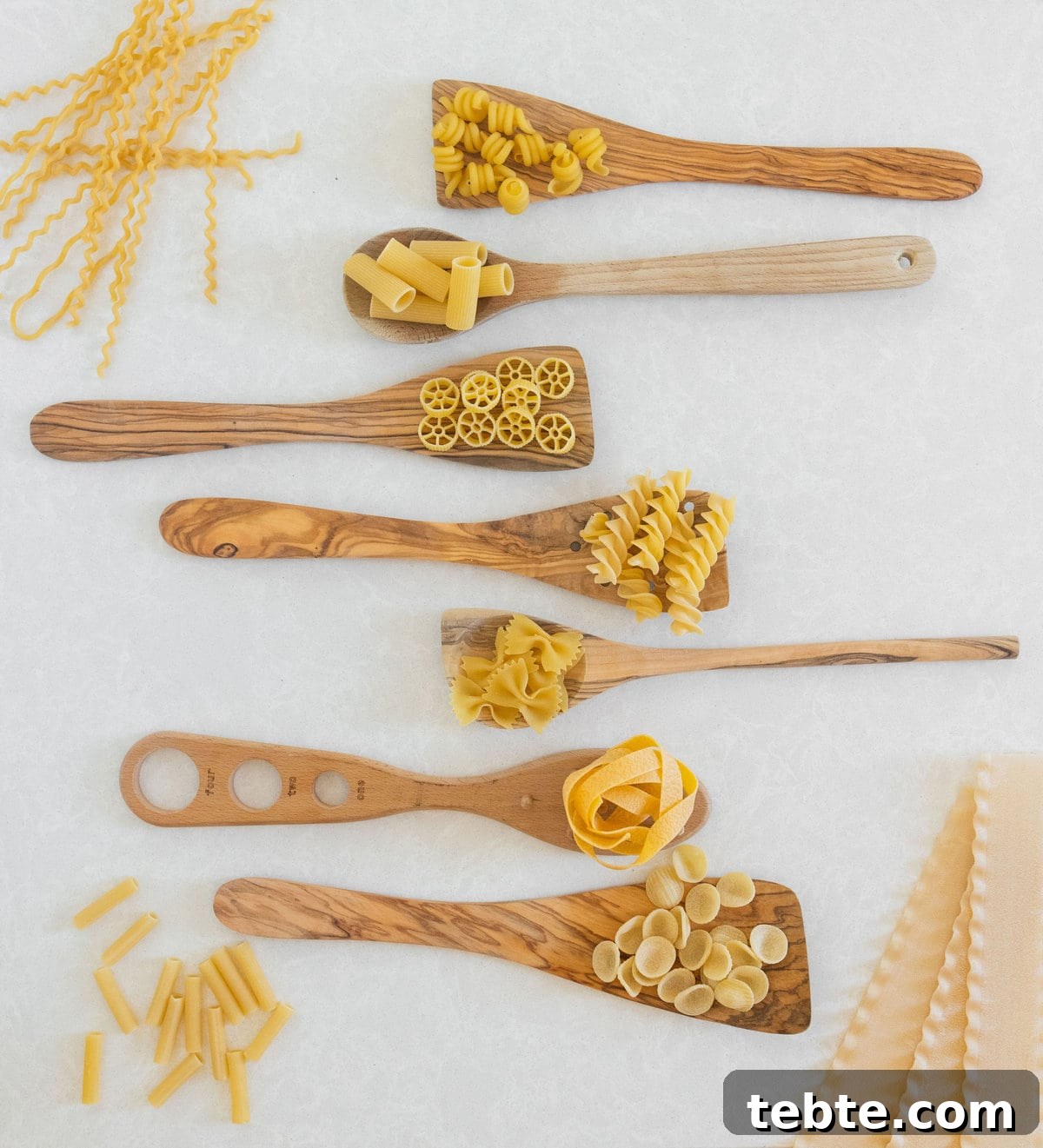
This guide, “Cheap vs. Expensive Pasta (Why Pasta Quality Matters!),” explains why not all pasta is the same and how choosing a better product can transform your meal. Texture, flavor, and the ability of the pasta to hold sauce all change with quality. High-quality pasta offers a noticeably improved eating experience, and once you notice the difference it can be hard to go back to lower-quality varieties.
If you enjoy this guide, try my Homemade Pasta Recipe and Authentic Quick Tomato Paste Sauce for recipes that showcase the difference good pasta makes.
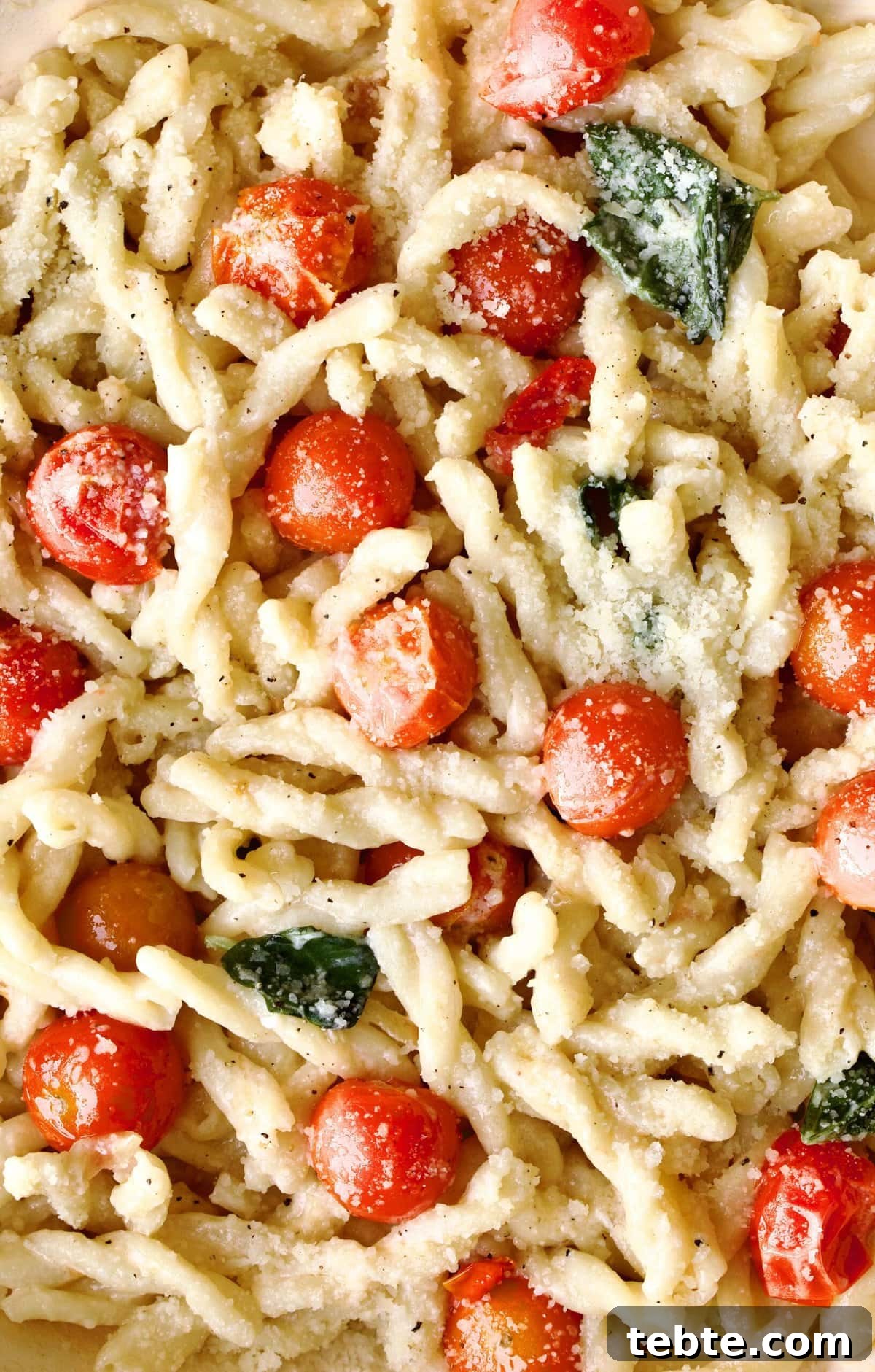
Table of Contents
- Cheap vs Expensive Pasta: The Real Differences
- How to Spot High-Quality Pasta
- FAQs
- Serving Suggestions
- More Italian Kitchen Fun Facts
Cheap vs Expensive Pasta: The Real Differences
The main differences between inexpensive and high-quality pasta come down to production methods, which affect texture, flavor, and how the pasta interacts with sauce.
- Wheat Quality: Higher-quality pasta is typically made from durum wheat semolina, which creates a firmer texture and better structure when cooked.
- Shaping Method: Pasta formed through bronze dies has a rougher surface that helps sauce cling. Cheaper pasta is often made with smooth dies that produce a glossy finish.
- Surface Texture: Bronze-cut pasta’s slightly rough, porous finish improves sauce adhesion. Smooth, shiny pasta tends to let sauce slide off more easily.
Though these differences may seem subtle on the package, they have a direct impact on bite, mouthfeel, and the overall success of a pasta dish. Below is a closer look at each factor.
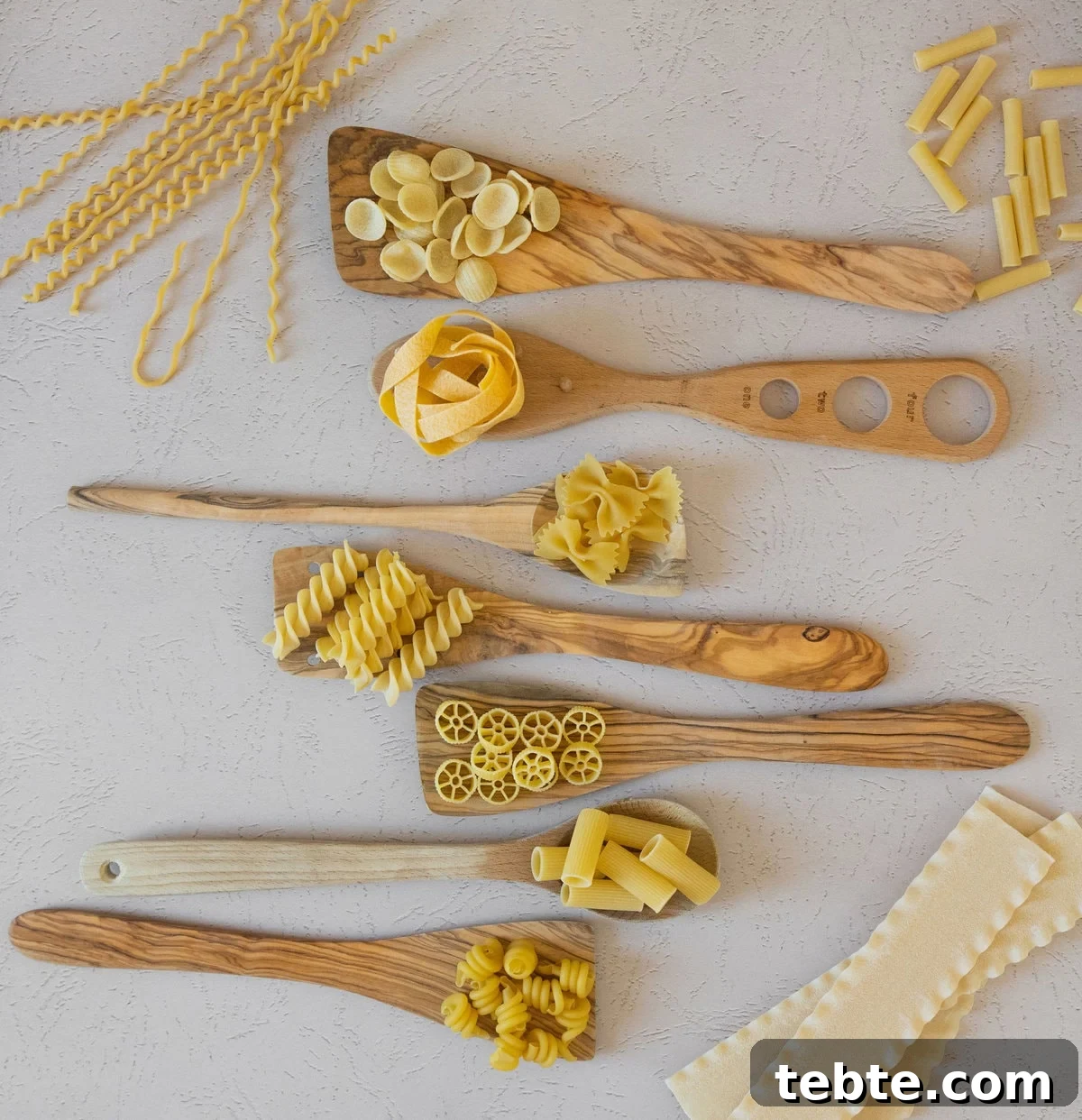
Wheat Quality Matters
The type of wheat used is one of the biggest determinants of pasta quality. Durum wheat semolina yields a firmer, more resilient pasta that holds its shape and texture when cooked, producing a satisfying “al dente” bite. Lower-quality pasta may use other wheat blends that create a softer, more fragile product that can become mushy or fall apart when tossed with sauce. For dishes where pasta is the star, such as baked casseroles or simple sauced preparations, using durum semolina makes a clear difference.
A real-world example
A friend who worked in advertising for a major pasta brand described a demonstration used in a campaign: a chef cooked two pastas made from different flours to the same “al dente” timing. The pasta made from 100% durum wheat semolina kept its bite and structure and did not break down when tossed with sauce. The other pasta, made from a different semolina blend, appeared more translucent and fragile when raw and became softer and less resilient after cooking. The texture difference was immediately noticeable.
Bronze Dies vs. Smooth Dies
How pasta is extruded affects its final surface. Bronze dies create a porous, slightly rough texture that allows sauce to cling to the strands or shapes. This is particularly important for lighter or oil-based sauces that need to adhere to the pasta. Smooth dies yield a polished, shiny surface that can make sauce slide off and reduce the overall flavor balance in a bite. If you want sauce to stay where it belongs, look for bronze-cut pasta.
For tips on cooking, consult a reliable guide to boiling pasta perfectly so you consistently hit the ideal texture.
Drying Process
Drying is another crucial step. High-quality pasta is often slow-dried at lower temperatures, which preserves structure and flavor. Industrial quick-drying methods used for mass-market products can alter protein structure and make the pasta less resilient during cooking. Slow-dried pasta better maintains texture in baked dishes and hearty sauces, while fast-dried pasta is more likely to become soft or unevenly textured.
How to Spot High-Quality Pasta
When shopping, look for these signs to choose a better pasta:
- Labels that mention “bronze-cut” or “bronze-die.”
- Ingredient lists showing 100% durum wheat semolina.
- Avoid packaging that reveals overly smooth, shiny pasta.
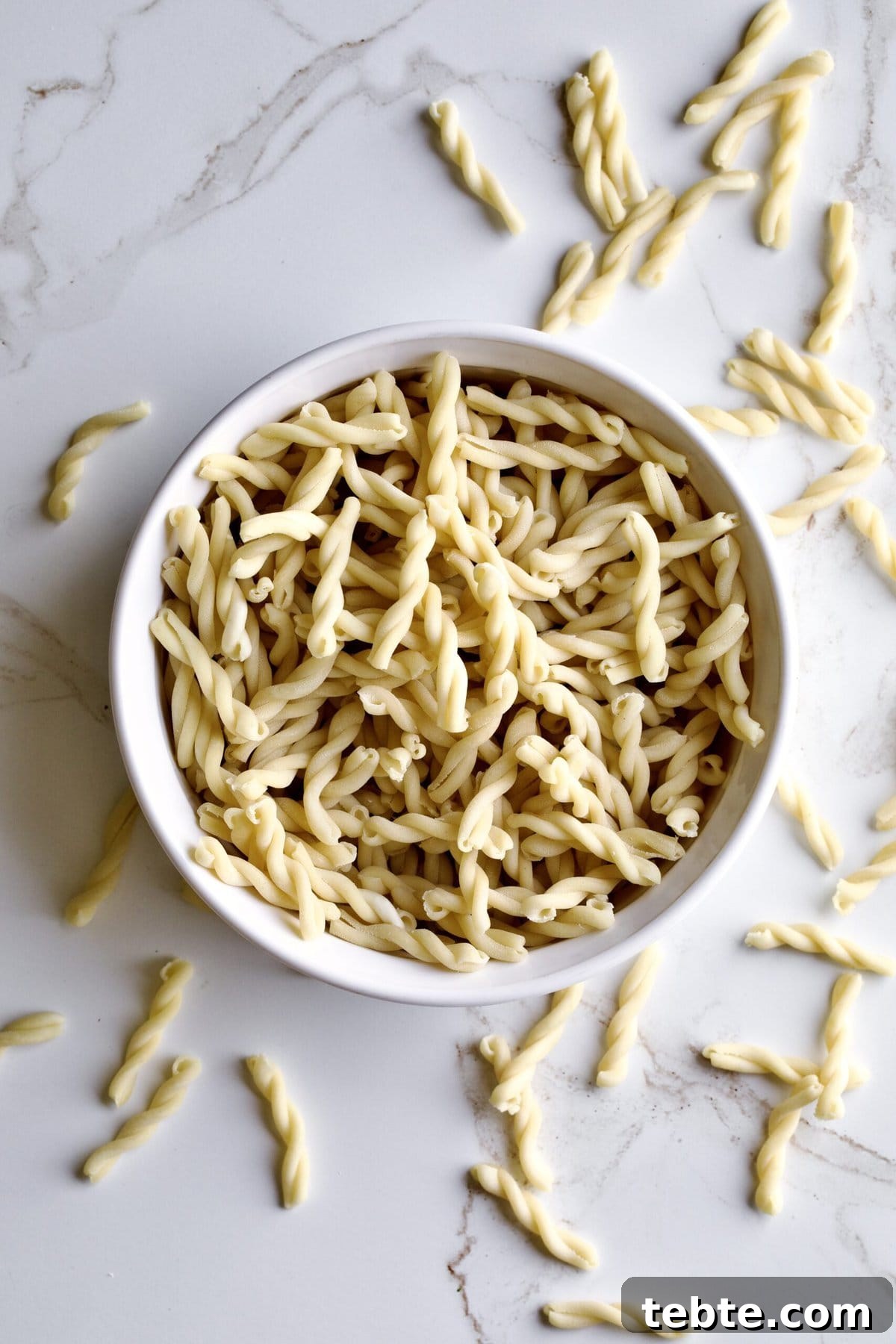
- Prefer shapes with a slightly rough, matte surface.
These cues help you identify a pasta that will perform well in the pot and on the plate.
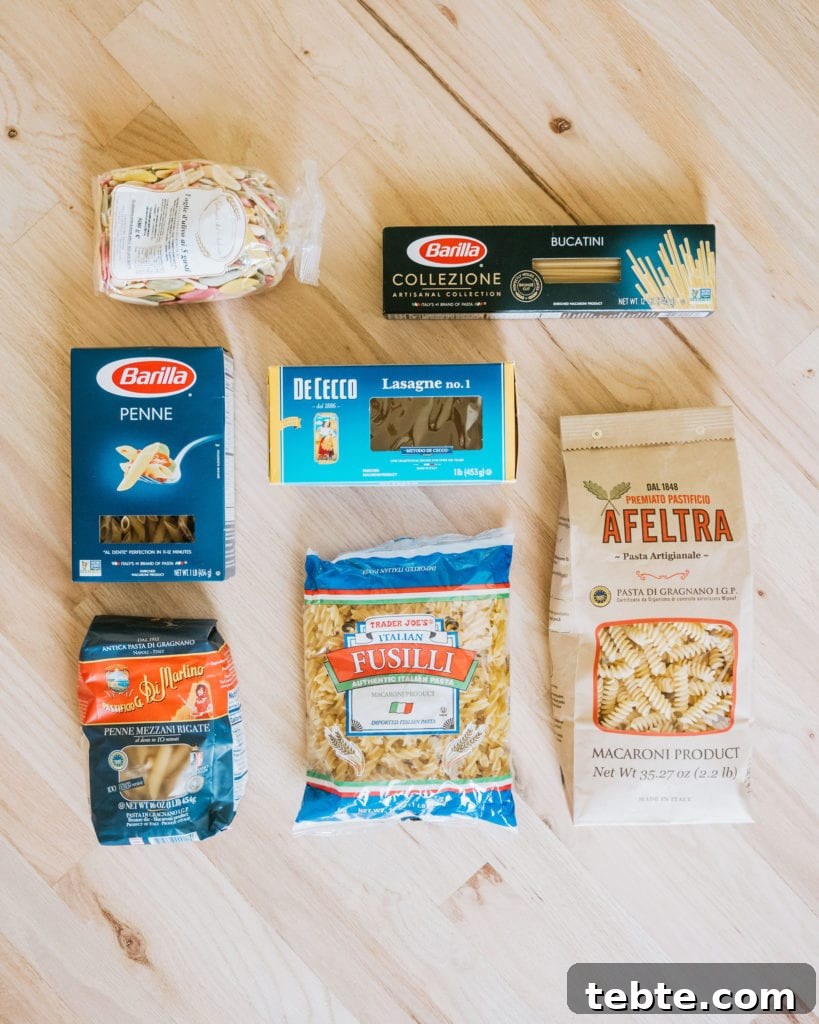
Brands I Recommend
Some widely available brands are consistent in quality and good value. They often use durum semolina and bronze or high-quality shaping methods. Look for brands known for dependable “al dente” results and transparent ingredient lists. Store-brand premium lines can also offer good quality at a lower price point.
FAQs
The main differences are wheat quality, shaping method, and drying process. These factors affect texture, bite, and how well the sauce adheres.
Bronze-cut pasta has a rougher surface, which helps sauces cling and improves the overall flavor and texture of each bite.
Yes. Durum wheat semolina provides a firmer texture and better cooking performance than lower-grade wheat blends.
Slow drying helps pasta maintain structure and yields a better final texture, while rapid industrial drying can compromise firmness.
Serving Suggestions
High-quality pasta is especially rewarding in simple dishes where texture and sauce adhesion matter. Use it for classic recipes like Carbonara, a fresh cherry tomato sauce, or Pesto Genovese. Even minimal sauces taste more complete when paired with pasta that holds its shape and clings to flavor.