
Helpful tips and a sample menu to help you plan a week of cooking on a sailboat.

I returned from a week sailing through the Bahamas feeling relaxed, peaceful, and unusually calm despite the usual deadlines and emails waiting for me. E and I joined three friends for a cruise through the Exumas aboard a private 36′ sailboat. Two of our friends are experienced sailors from Quebec, and they invited us to explore crystal-clear waters, deserted beaches, snorkel with marine life, and enjoy home-cooked meals prepared in a very small galley.
Before we left, I volunteered to be cook for the week. Cooking at sea presented challenges and required careful planning: our only grocery stop would be before departure from Nassau, so I made a precise shopping list and a spreadsheet to share with the crew. We reviewed the menu together to ensure nothing was forgotten and that everyone’s preferences and dietary needs were accounted for.
Our kitchen for the week:
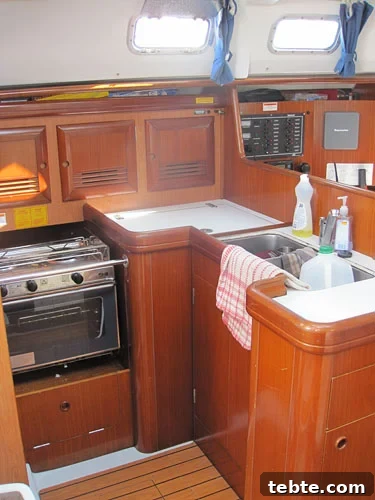
While researching tips for cooking on a boat, I compiled useful advice that helped me plan a week’s meals for five hungry people.
Top Tips for Cooking on a Boat
- Expect people to be hungrier at sea. Life on deck uses more muscles than sitting in an office. Serve healthy snacks throughout the day—fruit, nuts, crackers—to keep energy up and prevent everyone from being ravenous at dinner.
- Collect tastes and dietary restrictions before departure. Allergies or dislikes are harder to handle at sea. Planning ahead avoids last-minute substitutions in a cramped galley.
- Plan meals around the boat’s equipment. Confirm whether there’s an oven, grill, or only a stove. Don’t assume small appliances like coffee makers or toasters will be available—power and space are limited—so include versatile options.
- Make a precise shopping list. Instead of “onions,” specify quantities. Accurate quantities reduce waste and save time at the store so you’re not guessing how much to buy.
- Bring your essential kitchen tools. Boats usually have only basic utensils and dull knives. Pack a reliable knife, a small cutting board, a good corkscrew, and any compact tools that make cooking easier.
- Bring as much as you can from home. Spices, canned goods, snacks, and vacuum-sealed items often cost more or are difficult to find at destination stores. If space allows, pack them.
- Plan alcohol sensibly. Alcohol can feel stronger at sea and bottles take up precious space. Canned beer and small bottles of liquor are more practical than many wine bottles; bring only what you’ll realistically consume.
- Name one person to manage the food. Assign someone to oversee grocery storage, ingredient freshness, and meal organization. One coordinator reduces waste, prevents spoilage, and knows where everything is stored.
- Expect very limited storage, especially refrigeration. Freezer space is often minimal or nonexistent. Favor shelf-stable liquids like Tetra-packed juices and UHT milk to save fridge room.
- Balance meals by ingredient perishability. Eat the most perishable items early in the trip and save canned or shelf-stable meals for later. If possible, buy frozen meat that will thaw gradually in the fridge and stay safe to eat longer.
- Prepare lunches in advance. Cooking underway is difficult and often unsafe. Make sandwiches or salads at anchor in the morning and store them where they’re easy to reach so anyone can grab a meal if the cook is seasick.
- Ask about garbage disposal rules. Know what can be thrown overboard and what must be kept until you return to shore. In some places, organic waste can be disposed of at sea; in others it cannot.
The sheer quantity of groceries we had to store on the boat was intimidating at first, but we managed to fit everything in.
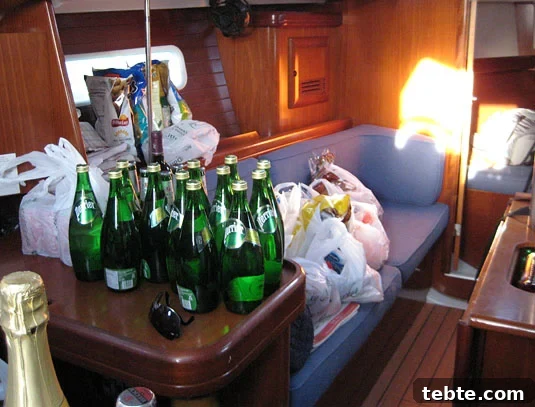
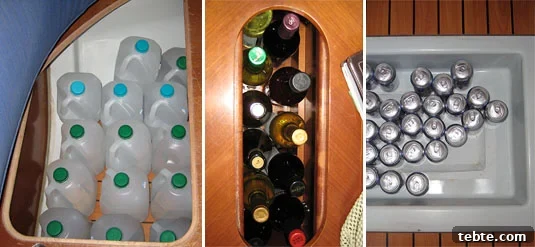
The boat revealed many clever hidden storage spaces: water jugs under the seats, bottles tucked into the table, and beer cans under floor panels.
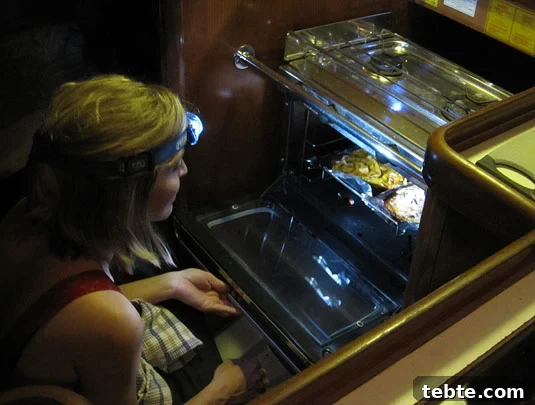
A headlamp was invaluable for watching pizzas in an oven with no interior light.
Cooking at sea was a thrill. Despite the tiny kitchen, a little creativity let me prepare dishes I would have made at home, including chocolate cupcakes for E’s birthday. The crew helped with prep and cleaning, which made the experience even more enjoyable. We minimized waste, stayed well fed, and had a memorable trip cooking on this beautiful sailboat.
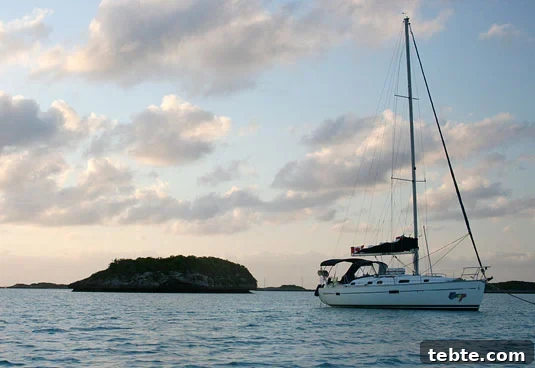
For reference, here is the menu we planned. Practical and tasty, it kept everyone satisfied all week.
Breakfast
- Bread (toasted in the oven)
- Jams, peanut butter, cream cheese
- Cereals and muesli
- Blueberry, banana, and walnut muffins (baked on the boat)
- Yogurt
- Bananas and oranges
Lunch
- Ham, turkey & cheese sandwiches (served twice)
- Tuna salad wraps
- Smoked salmon & cream cheese bagels
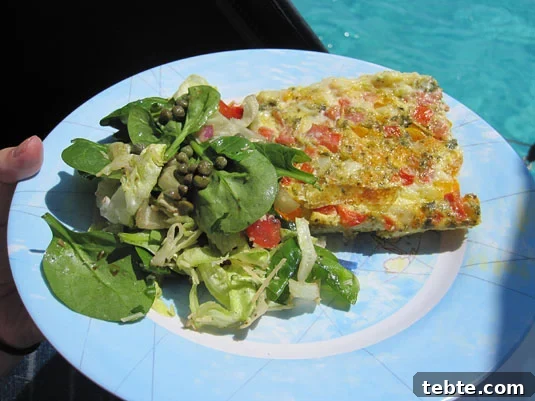
- Oven-baked ham and vegetable frittata
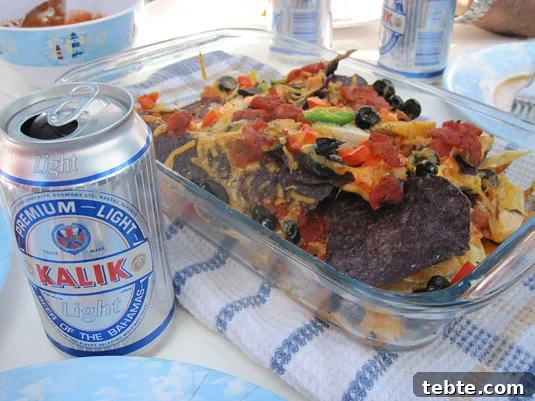
- Oven-baked nachos with BBQ chicken (leftover from fajitas), olives, green onions, salsa, bell peppers, jalapeños, and cheese
Dinner
- Burgers (on the barbecue)
- Pork and beef marinated kebabs with brown rice and vegetables
- Fajitas with BBQ chicken, sautéed peppers and onions, served with guacamole, cilantro, lettuce, salsa, and cheese
- Fish en papillote cooked on the barbecue, served with broccoli and spiced rice with chickpeas, green onions, and coriander
- Pizzas two ways: tomato, olives, ham & parmesan; and BBQ chicken with barbecue sauce, red onion & cheddar (made on oval flatbreads)
- Pasta with tomato, tuna, olives, capers, and parmesan
Nachos pair nicely with a refreshing Kalik, a beer from the Bahamas.
Snacks
- Tortilla chips and salsa
- Assorted nuts and dried cranberries
- Apples and cheddar cheese
- Cantaloupe and watermelon
- Hummus with chips and chopped vegetables
- Assorted granola bars
Sweets
- Brownies (mix enhanced with chopped walnuts and chocolate chips)
- Chocolate cupcakes (mix with added chocolate chips and chocolate frosting)
- Dark chocolate bars
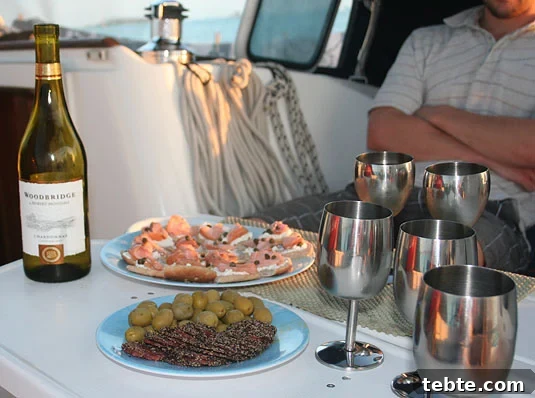
A fancy happy hour with white wine, black-pepper dry sausage, green olives, and smoked salmon canapés made for a lovely appetizer spread.
The most beautiful beach at Shroud Cay.