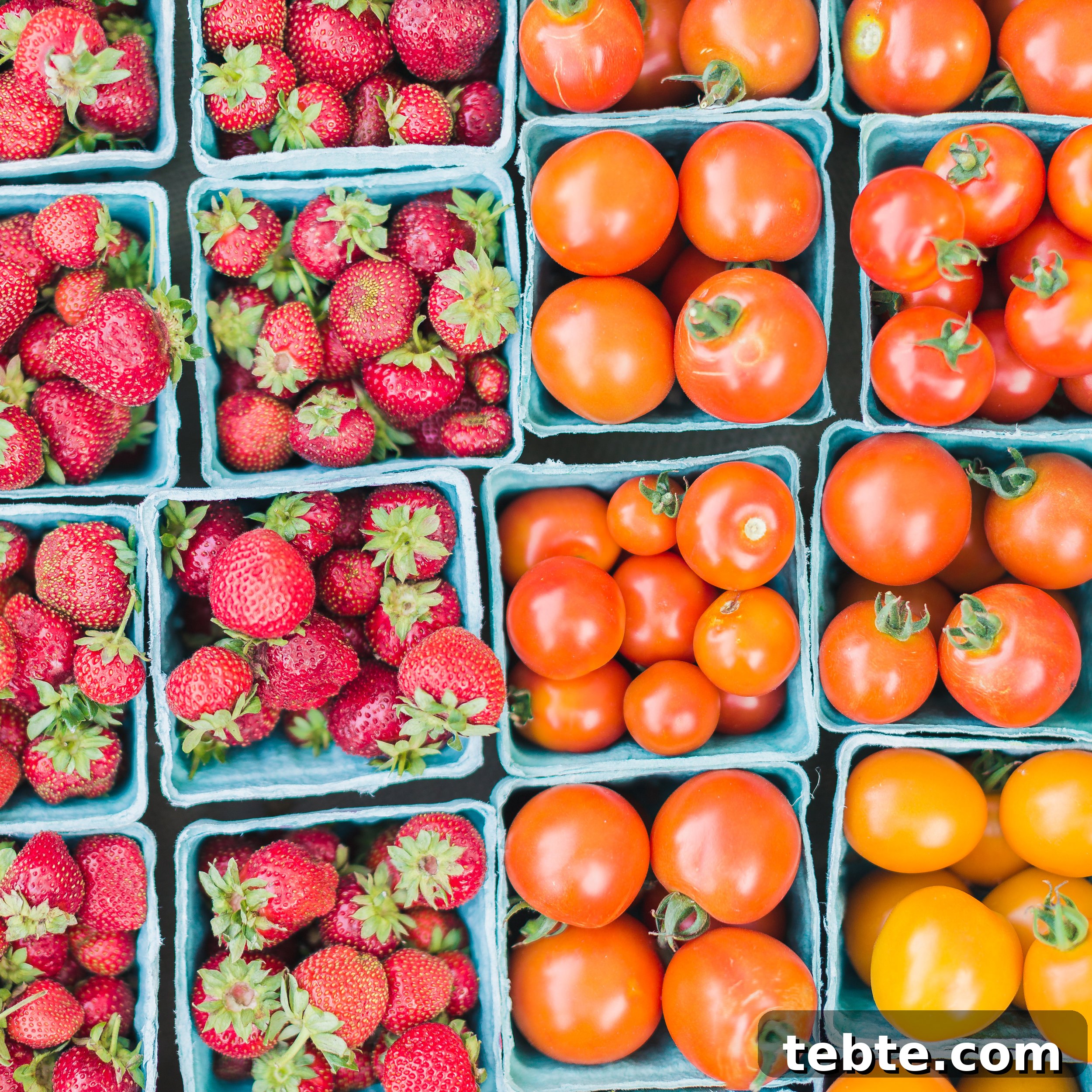
I get it—we all tend to stick with familiar favorites. I used to fall into the habit of eating the same foods repeatedly, but variety matters more than many of us realize. Rotating what you eat helps ensure you get a full range of micronutrients and can even reduce the risk of developing food sensitivities. Yes, consuming the same items constantly can lead to intolerances. In this article I’ll explain how to eat with intention using the S.O.U.L. purpose.
So what does it mean to be eating with the “soul” purpose?
I follow a simple guideline I call the S.O.U.L. purpose: SEASONAL – ORGANIC – UNALTERED – LOCAL. These principles help maximize the benefits you get from food while supporting your health and the environment. Below are the key reasons to prioritize seasonal produce, and a practical seasonal guide to help you shop smarter.
First, a quick note about organic: buying organic when possible is a smart choice, especially for produce known to carry higher pesticide residues. If organic options are limited by availability or budget, following reputable guidance on high-residue crops is a good alternative. Prioritizing organic for those items helps reduce chemical exposure while still allowing flexibility in your food choices.
Nutrient content
Produce that’s in season tends to be more nutritious. When fruits and vegetables ripen naturally in the field, they accumulate more vitamins, minerals, and antioxidants than items harvested early to endure long shipping. Choosing seasonal items helps you get more of the nutrients that support energy, immunity, and overall wellbeing.
Taste
Seasonal produce simply tastes better. Fruit picked at peak ripeness—strawberries, cherries, peaches and more—offers brighter flavor, juiciness, and color. Foods that ripen on the plant often have improved texture and last longer when stored briefly at home.
Environment
Growing crops in their natural season usually requires fewer inputs like pesticides and artificial heating or lighting. Choosing locally grown, seasonal food supports farmland preservation and local growers while reducing the carbon footprint associated with long-distance transport. Buying local also helps sustain jobs and economic activity in your community.
Price
When a crop is abundant, prices drop. You’ve probably seen out-of-season berries marked up in winter—seasonal buying helps you save money while getting fresher, tastier produce.
Keeping track of seasonal availability can feel overwhelming at first, so below is a straightforward list of fruits and vegetables that are typically in season during spring and summer. Use it as a simple reference when planning meals or shopping at farmers’ markets.
Spring:
Veggies: Asparagus, beets, broccoli, cabbage, cauliflower, garlic greens, leafy greens (arugula, chard, kale, collards, mustard greens), bok choy, dandelion greens, lettuce, mushrooms, radishes, peas, rhubarb, spinach, and sprouts.
Fruit: Apples and strawberries.
Summer:
Veggies: Beets, broccoli, cabbage, carrots, cauliflower, celery, cucumbers, eggplant, endive, fennel, garlic, green beans, lettuce, mushrooms, okra, onions, peppers, potatoes, radicchio, scallions, sprouts, summer squash, sweet corn, and tomatoes.
Fruits: Apricots, blackberries, cherries, currants, elderberries, gooseberries, melons, nectarines, peaches, plums, raspberries.
Where to find seasonal produce: farmers’ markets and Community Supported Agriculture (CSA) programs are excellent sources for local, seasonal food. Checking local market listings or seasonal guides in your area makes it easier to plan purchases that align with the S.O.U.L. purpose. What are your go-to staples for spring and summer?