Want to add onions to your grilling repertoire but not sure where to start?
In this guide, we’ll cover:
- Which types of onions work best on the grill
- How to prepare them so they don’t fall apart or burn
- Seasoning, grilling methods, and serving ideas
Grilled onions are an easy, flavorful addition to many meals. Use them on burgers and sandwiches, toss them into salads, serve them alongside steaks or pork, or thread them on skewers for kabobs. They can be sliced, wedged, grilled whole, or cooked on skewers; most methods take only minutes to prepare and add rich, smoky-sweet flavor.
Read on for practical tips and step-by-step instructions to grill perfect onions for your next backyard cookout.
Jump to Section
Which Type of Onion is Best for Grilling?
Supermarkets offer many varieties—red, white, yellow, sweet, shallots, and pearl onions. The best choice depends on how you plan to cook them and the flavor profile you want.
The Best Grilling Onions
White Onions
White onions are a common grilling choice. They have a mild, sweet flavor and relatively low moisture content, which helps them hold shape on the grill. Note that they can be strong when it comes to breath odor.
Red Onions
Red onions hold up well to smoke and high heat, making them a great match for burgers, roasted squash, or sweet potatoes. Their bolder flavor pairs well with smoky char.
Still Really Good Grilling Onions
Yellow Onions
Yellow onions are less sweet and less pungent than others. They caramelize nicely and add savory depth to sandwiches and salads.
Spanish Onions
Spanish onions are a slightly sweeter, smaller type of yellow onion. They can be used interchangeably with standard yellow onions for grilling.
Sweet Onions
Sweet onions, like Vidalias, are mild and delicious raw, but they also work well on the grill—especially when paired with marinades, butter, or as a companion to steaks.
Skewer Favorites
Pearl Onions
Pearl onions are small, sweet, and perfect for threading whole onto skewers for kabobs.
Shallots
Shallots grill quickly and are commonly used as a garnish or side. They also work well on skewers and add a delicate, nuanced flavor.
How do I Prepare the Onions Before Grilling?
Onions can be prepared many ways: sliced lengthwise for rings, quartered or wedged, left whole and roasted, or threaded on skewers. Each method changes the texture and how you’ll use the finished onion.
Slice Them, Dice Them
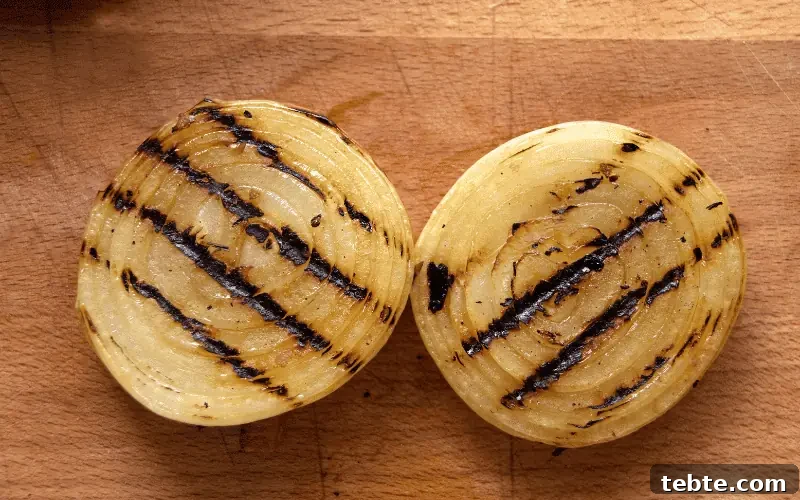
Slicing lengthwise is common: peel the onion, trim the stem, and cut into roughly 1/4-inch slices (about 4–6 slices per medium onion). Brush or spray the grill grates with oil first to reduce sticking. Sliced onions char well and are ideal for burgers and sandwiches.
A Whole Lot of Flavor
Grilled whole onions (often sweet varieties like Vidalia) make an impressive side. Remove the skin and core, stuff the cavity with butter and herbs, wrap in foil, and roast slowly until tender and melting. The result is rich and silky.
Wedged
Wedges work well as a side or salad topping. Peel the onion, leave the root end intact to hold layers together, then cut into quarters or eighths. Brush with oil, place on the grill, and rotate so all sides get a nice char.
Skewers
Skewered onions are easy to handle and flip without losing pieces through the grate. Use pearl onions whole or thread sliced or wedged pieces onto metal or sturdy wooden skewers. Skewers simplify turning and serving.
The advantage of skewers is better control over cooking and easier removal from the grill without burning your hands.
What Are the Seasonings for Grilled Onions?
The Spice of Life
Grilled onions taste great on their own, but seasoning can enhance their natural sweetness. A simple sprinkle of salt and pepper is often enough. For more depth try paprika, chili powder, cumin, fresh herbs, or your favorite spice blend. Experiment to find a combination you like.
Oil it Up
Oil prevents sticking and adds flavor. Use a neutral oil or cooking spray for ease, or choose olive oil, avocado oil, ghee, or butter for added richness. Butter or ghee pairs particularly well when serving onions with steaks, pork chops, or chicken; lighter oils are good if onions will top salads or delicate dishes.
Marinades and Sauces
Marinades and sauces expand flavor possibilities. A few complementary options include:
- Honey mustard
- Balsamic vinegar
- BBQ sauce
- White vinegar
- Ginger-honey dressing
- Worcestershire sauce
Feel free to create your own marinades—onions take well to sweet, tangy, and savory sauces.
How do I Prepare the Grill?
Which is Better: Gas or Charcoal?
Charcoal grills add a pronounced smoky flavor but require more attention to control heat and can lead to uneven cooking. Gas grills offer precise temperature control and even heat distribution, making them easier for consistent results. Both can produce excellent grilled onions—choose based on the flavor and convenience you prefer.
Clean the Grill
Start with clean grates. Sticky, dirty grates can cause onions to tear and burn. Wipe the grates and apply a light coat of vegetable oil to create a nonstick surface before cooking.
Be Equipped
Basic tools to grill onions:
- A sharp knife for slicing
- A serving dish
- Tin foil and/or skewers
- Vegetable oil or chosen cooking fat
- Tongs or a spatula
- Heat-resistant gloves
Consider a grill basket if you want to prevent smaller pieces from falling through the grates—these are handy for vegetables and make cleanup easier.
How To Grill Onions (5 Simple Steps)
Step 1: Preheat the Grill
Preheat your grill to medium heat on gas. For charcoal, light the coals and wait until they are covered with gray ash before cooking.
Step 2: Peel and Cut the Onions
Remove the papery outer layer, trim the stem if needed, and cut the onion according to your chosen method—slices, halves, wedges, quarters, or leave whole for slow roasting.
Step 3: Season the Onions
Brush or toss the onion pieces with about 2 tablespoons of liquid (oil, melted butter, or marinade) per onion, then sprinkle on salt, pepper, and any other spices. You can season in a bowl or a resealable bag for quick, even coating.
Step 4: Grill the Onions
Place onions on the preheated grates. For direct grilling, cook at around 400°F for 3–5 minutes per side until they show good char and are tender. Use tongs to flip. If using foil, make a shallow tent to retain juices. For charcoal, move coals to the sides and grill in the center to avoid flare-ups.
Whole, butter-stuffed onions are best cooked low and slow: place them wrapped or in a covered dish on a grill set to about 300°F and cook until very tender—this can take up to a couple of hours depending on size.
Step 5: Serve Them Up Right
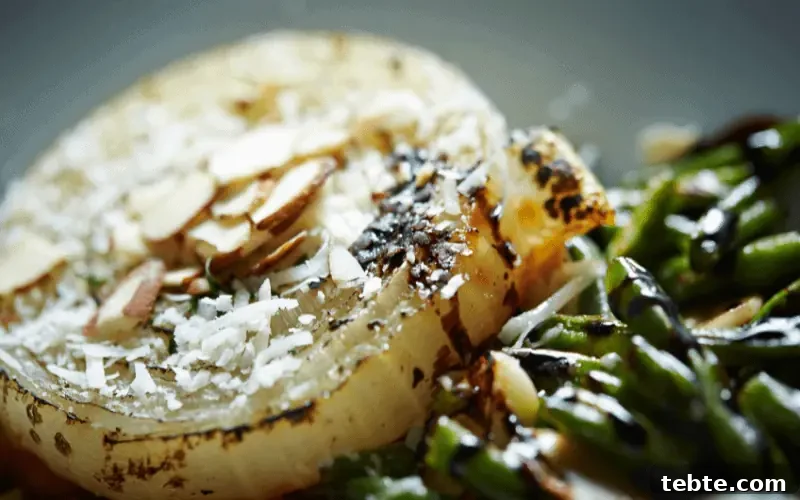
Remove the onions with tongs and transfer to a serving dish. Separate grilled rings for burgers and sandwiches, present wedges alongside steaks and potatoes, or arrange skewers on a platter for easy sharing. Drizzle with a finishing sauce or fresh herbs if desired.
Final Thoughts on Grilled Onions
Grilled onions are an affordable, quick way to boost the flavor of many dishes. With multiple preparation methods and a wide range of seasonings, you can easily adapt them for weeknight dinners or weekend gatherings. Most methods take under 10 minutes of active cooking time, and the results—sweet, smoky, and richly caramelized—show off simple grilling skills to great effect.