Proper thawing techniques for beef, pork, poultry and seafood are among the first lessons in culinary school food-safety classes. While it may seem routine, understanding how to thaw proteins safely is essential if you cook for yourself, your family, or guests.
Many experienced home cooks may skim this advice, but if you regularly prepare food for others, following recommended thawing methods prevents foodborne illness. If you’ve ever gotten sick after eating someone’s meal, you know how important safe handling is.
What Exactly is Foodborne Illness?
Foodborne illness results from bacteria, viruses, parasites or harmful chemicals entering food at any point from farm to table. While there are many prevention steps, properly thawing meat is a critical one. Freezing extends meat’s shelf life and lets you buy in bulk or at sale prices, but improper thawing can waste food and, more importantly, create a health risk.
NEVER THAW BEEF, POULTRY, SEAFOOD OR PORK AT ROOM TEMPERATURE OR IN WARM OR TEPID WATER
Temperature is Vital
Knowing temperature ranges is essential. Freezing is 32ºF (0ºC). Refrigerators should be 40ºF (4.4ºC) or below. Boiling is 212ºF (100ºC). Between refrigeration and hot holding lies the “Danger Zone” — roughly 40ºF to 140ºF — where bacteria and other pathogens grow rapidly. Avoid leaving proteins in this range for extended periods.
Thawing Techniques
Refrigerator Method:
- Thawing in the refrigerator is safe for beef, pork, poultry and seafood.
- Keep the meat in its original packaging to avoid cross-contamination and moisture loss.
- Always thaw poultry on the bottom shelf to prevent drips onto other foods.
- Beef and seafood can be placed on upper shelves; pork can go on a shelf above poultry but below beef.
- Refrigerator thawing requires planning because it takes time. If you need meat sooner, use the cold-water sink method described below.
Cold Water Sink Method
All proteins can be safely thawed in cold water if the meat is securely wrapped and the water is changed at least every 30 minutes. Never use tepid or warm water — that quickly raises the meat into the Danger Zone and encourages bacterial growth.
Beef & Poultry: Sink Water Method of Thawing
Poultry is commonly associated with salmonella, which multiplies more readily at warmer temperatures. Ground beef can also harbor bacteria throughout because grinding distributes bacteria from the surface through the meat. The safest approaches are refrigerator thawing at ≤40ºF or submerging wrapped meat in cold water, refreshing the water every 30 minutes.
Why ground beef must be cooked at a higher temperature than a steak:
Grinding distributes any surface bacteria throughout the meat, increasing risk. A whole steak typically has bacteria only on the surface, so rare or medium-rare steaks are safe when cooked correctly, while ground beef should reach 160ºF internally.
Thawing Ground Beef in the Refrigerator
Thaw ground beef in its original wrapping on a refrigerator shelf, or use the cold-water method. For the sink method, place the wrapped ground beef in a large bowl, cover with cold water, then replace the water every 30 minutes until thawed. Once defrosted, cook promptly.
Thawing Ground Beef on the Stove
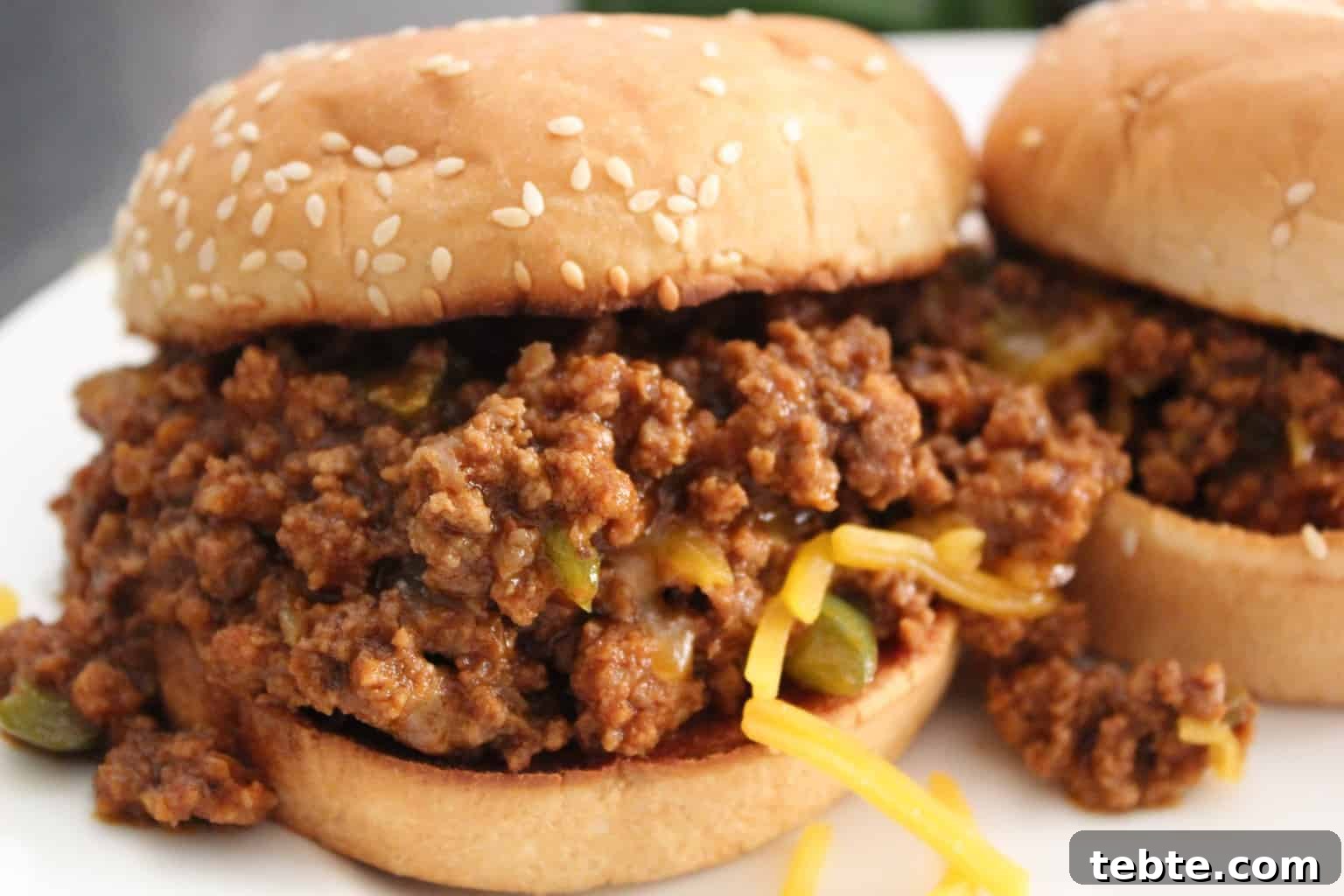
If you need to cook frozen ground beef immediately, you can thaw and cook it on the stovetop over medium-high heat. Monitor and break it into small pieces, stirring until there is no pink and the internal temperature reaches 160ºF.
Thawing Poultry
Do not rinse poultry — rinsing can spread bacteria around the sink and counters. If the packaged juices are unpleasant, blot with a paper towel. To thaw poultry safely, use one of two methods:
- Place it on the bottom shelf of the refrigerator in its original wrapping, or
- Use the cold water sink method with secure packaging, changing the water every 30 minutes. Cook poultry until it reaches an internal temperature of 165ºF.
Thawing poultry for slow-cooker cooking
- For slow-cooker recipes, the poultry must be completely thawed before it goes into the crockpot.
- Do not place frozen poultry in a slow-cooker — the initial temperature rise is too slow and allows bacteria to multiply in the Danger Zone.
Never place thawed, uncooked meat or poultry back into the freezer.
Thawing Seafood
- Seafood can be thawed safely in the refrigerator on the top shelf or with the cold-water sink method.
- Unpackaged items like lobster, shrimp or scallops often thaw better in the refrigerator to avoid becoming water-logged.
- If thawing unpackaged shellfish in water, first seal them in a waterproof bag, then submerge the bag in cold water and refresh the water every 30 minutes.
Lobster, shrimp and scallops have delicate textures that can deteriorate if soaked directly in water, so protect them with waterproof packaging during cold-water thawing.
Properly thawing pork or turkey
Is it safe to rinse pork and turkey?
- Do not rinse pork or turkey; rinsing can spread bacteria in the kitchen.
- If desired, blot excess moisture with a paper towel before thawing.
- Place pork or turkey in a waterproof bag and thaw in the refrigerator (positioned below beef and above poultry) or use the cold-water method, changing the water every 30 minutes.
- Once fully thawed, plan to cook pork or turkey promptly.
THE DANGER ZONE
Keep cold foods cold and hot foods hot. Use a thermometer to ensure safe storage temperatures: refrigerated foods should be kept at 40ºF or below; hot foods should be held at 140ºF or above. The range between 40ºF and 140ºF is the Danger Zone where bacteria multiply quickly. A crowded refrigerator may limit airflow and compromise cooling, so avoid overpacking.
Food safety is essential. As cooks, caregivers and hosts, it’s our responsibility to handle and prepare food so every meal is safe and enjoyable.
Knowing how to thaw beef, pork, poultry and seafood properly helps protect everyone who eats your food.
Related topics:
- Chicken Cordon Bleu
- Mustard Panko Crusted Pork Tenderloin
- How to Fix Over-Salted Foods
- Restaurant Quality Fried Catfish
- Louisiana Shrimp Etouffee
- Homemade Chicken and Dumplings
- Chicken Pot Pie