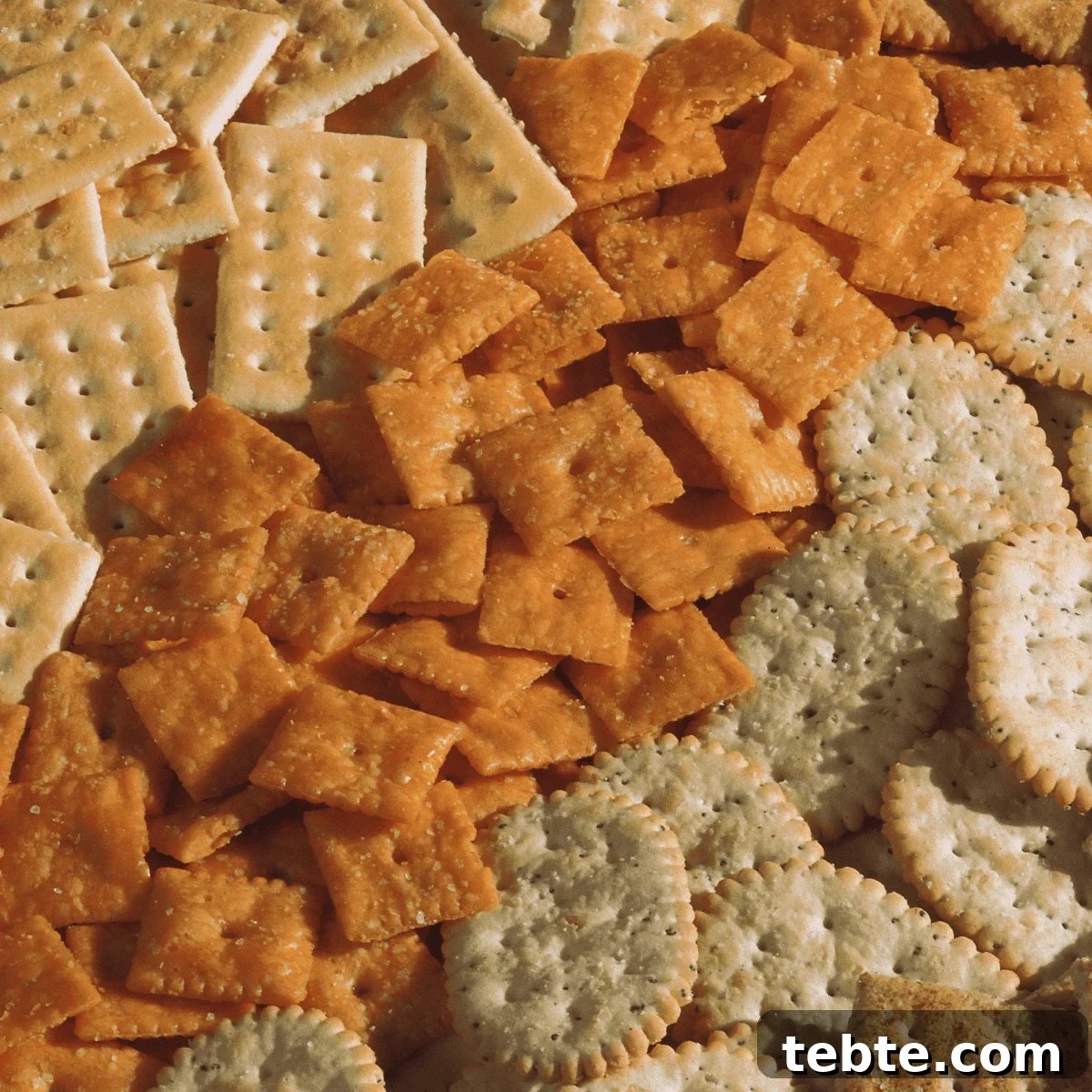
Many of us have children who are crazy for crunchy carbs. That craving can run deep, and sometimes it feels nearly impossible to get them interested in anything else.
When you’re standing in the grocery aisle, it’s hard to know which crackers are genuinely better for toddlers—packaging can be misleading and nutrition claims often sound better than the product actually is.
Snacks play an important role in bridging the gap between meals and contribute to your child’s daily nutrition. Still, it can be stressful when your toddler insists on a single snack like Goldfish or Ritz crackers and refuses fruit, vegetables, cheese, or other nutritious alternatives. Many parents give in to those demands simply to keep the peace, letting toddlers fill up on crackers more often than they might ideally.
I, too, have been there—just yesterday I stood at the fridge listing every option and my daughter shouted “No!” to each one. Carrots are rarely as exciting as something from the pantry, and that’s okay. The goal is balance, not perfection.
If this sounds familiar, you likely face common challenges: picky eating, reduced interest in meals, and limited dietary variety. I often hear kids complain when certain crackers aren’t on hand. I don’t advocate banning crackers—many can fit into a healthy diet—but I do want to highlight which options pack more nutritional value and which are best reserved for occasional treats.
Are Crackers Healthy for Toddlers?
There isn’t a simple yes-or-no answer. All foods can fit into a balanced diet, so the healthfulness of crackers depends on how often a toddler eats them, the serving size, and the cracker type. A couple of handfuls of Ritz once a month are very different from unlimited crackers every day after school.
Some crackers are more like cookies—high in added sugar and low in nutrients. Others can contribute fiber, protein, healthy fats, or even added vitamins and minerals. Frequency and portion size matter more than labeling, so consider crackers as part of the whole day’s nutrition rather than evaluating them in isolation.
What I Like to See in a Cracker
Crackers typically aren’t a major source of protein or fat, but some varieties make meaningful contributions to a toddler’s diet. When choosing crackers, I look for several key traits:
- Whole grains — Whole grain flours provide fiber and are preferable to refined wheat flour. Seeing “whole wheat” or another whole grain on the ingredient list is a positive sign.
- Seeds or nut flours — Seed- or nut-based crackers add healthy fats and some protein. Many brands offer finely milled versions suitable for toddlers so whole seeds don’t present a choking risk.
- Low added sugar — Snacks shouldn’t be a hidden source of extra sugar. Avoid crackers that list sugar high on the ingredient list.
- Micronutrients — Fortified crackers or those naturally higher in vitamins and minerals are a bonus, though not essential.
- Reasonable sodium — Savory snacks can be high in sodium. It’s helpful to check sodium values and consider how crackers fit into your child’s total daily intake.
Keep an eye on overall daily sodium, especially for young children. Consider the other foods your toddler eats to decide which crackers fit best into their routine.
What Are The Healthiest Crackers For Toddlers?
Simple Mills Fine Ground Sea Salt Almond Flour crackers
A strong choice. Made with almond flour and seeds, these crackers offer both protein and fiber and are a nutrient-dense option compared with many traditional crackers.
Triscuits
Made from 100% whole grains, Triscuits provide fiber and a modest amount of protein. Their texture pairs well with toppings like cheese or spreads; thin varieties are easier for toddlers to chew.
Wheat Thins
Wheat Thins offer a balance of fiber and some protein and can be a better choice than many refined white-flour crackers. They do contain a small amount of added sugar but still provide more nutritional value than many classic buttery crackers.
Simple Mills Farmhouse Cheddar crackers
Made with nut and seed flours, these crackers add protein and healthy fats compared with refined-cheddar crackers. They’re a good way to introduce variety and more nutritious ingredients.
Simple Mills Pop-style crackers
Some puffed or pop-style crackers include vegetable ingredients and have a solid ingredient list, offering a fun texture with added nutrients.
Simple Mills Seed Flour crackers
Gluten-free and seed-based, these crackers tend to be higher in protein and lower in simple carbs—good for dipping or topping.
Crunchmaster Multi Seed crackers
These have a satisfying crunch, moderate protein and fiber, and generally manageable sodium. They work well with hummus or savory dips.
Mary’s Gone Crackers Super Seed crackers
Higher in protein than many crackers, these can be a filling snack when paired with other nutritious foods.
Nufs crackers
Made with almond flour and olive oil, these crackers are mild in flavor and higher in protein—an unassuming option for picky eaters.
Cheddies
These crackers contain a notable amount of real cheese and offer higher protein for a snack, though they usually lack fiber.
Simple Mills Sweet Thins
Made with seed and nut flours, these are a good alternative to cookie-like animal crackers. They provide more healthy fats and protein than typical cookie snacks.
What to Serve with Crackers
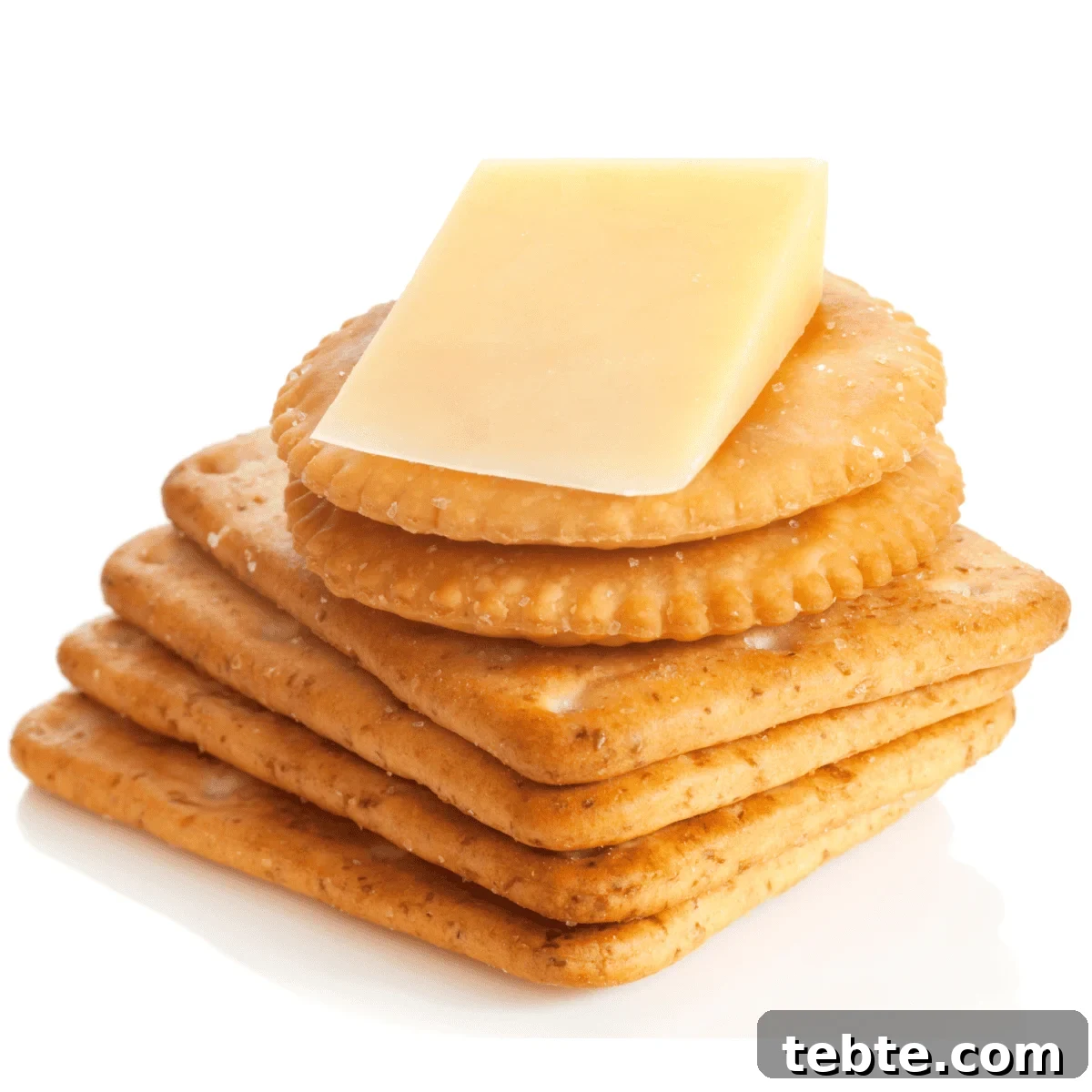
Kids will sometimes want plain crackers—and that’s fine. Pairing crackers with more nutrient-dense foods makes snacks more balanced and satisfying. These pairings are especially helpful if crackers are one of your child’s “safe” foods.
Topping or sandwich ideas
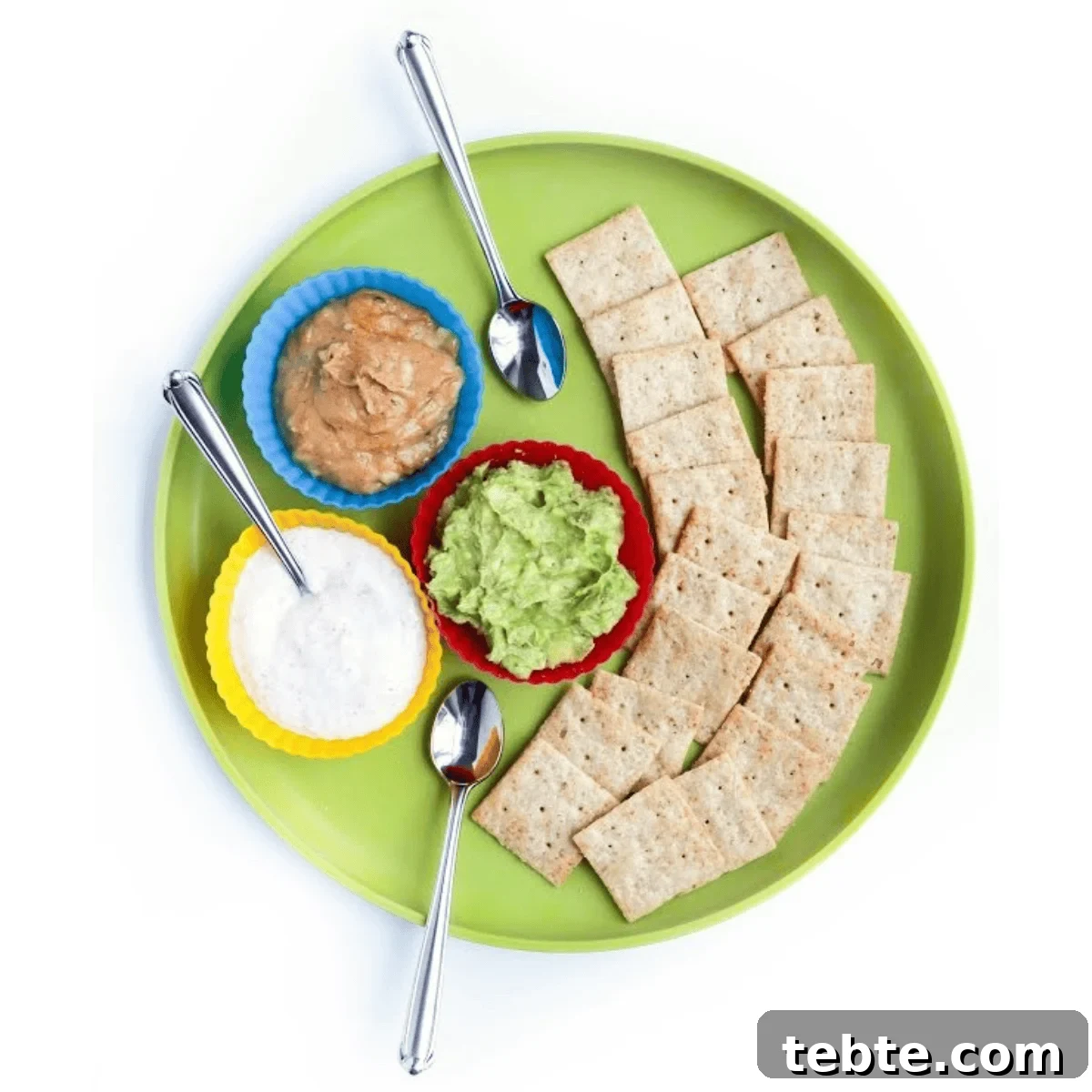
- Mashed avocado
- Thinly sliced cheese
- Spreadable cheeses like cream cheese
- Nut or seed butter
- Nut butter with a little jam
- Mini “lunchables” with turkey and cheese
- Tuna or salmon salad
- Hummus
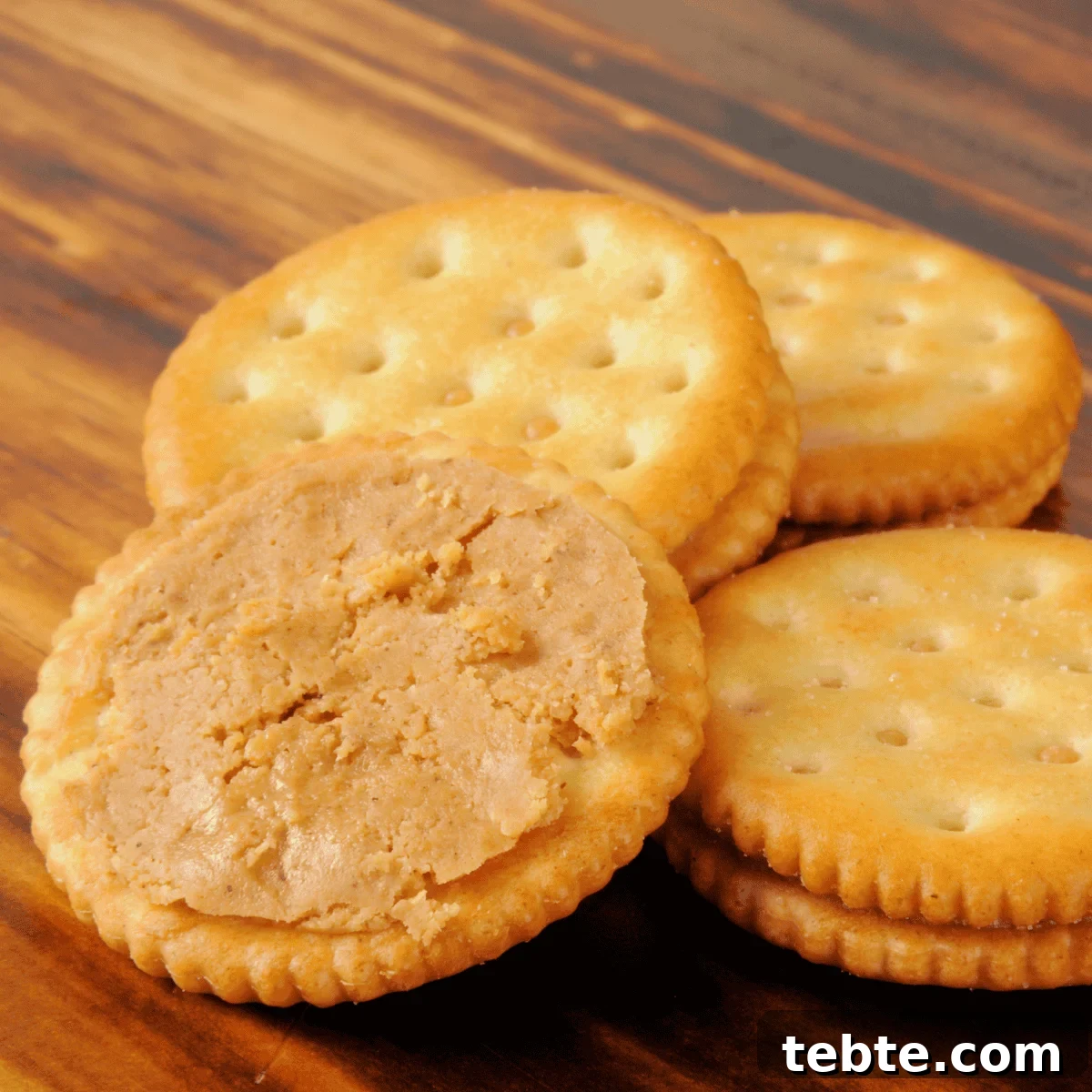
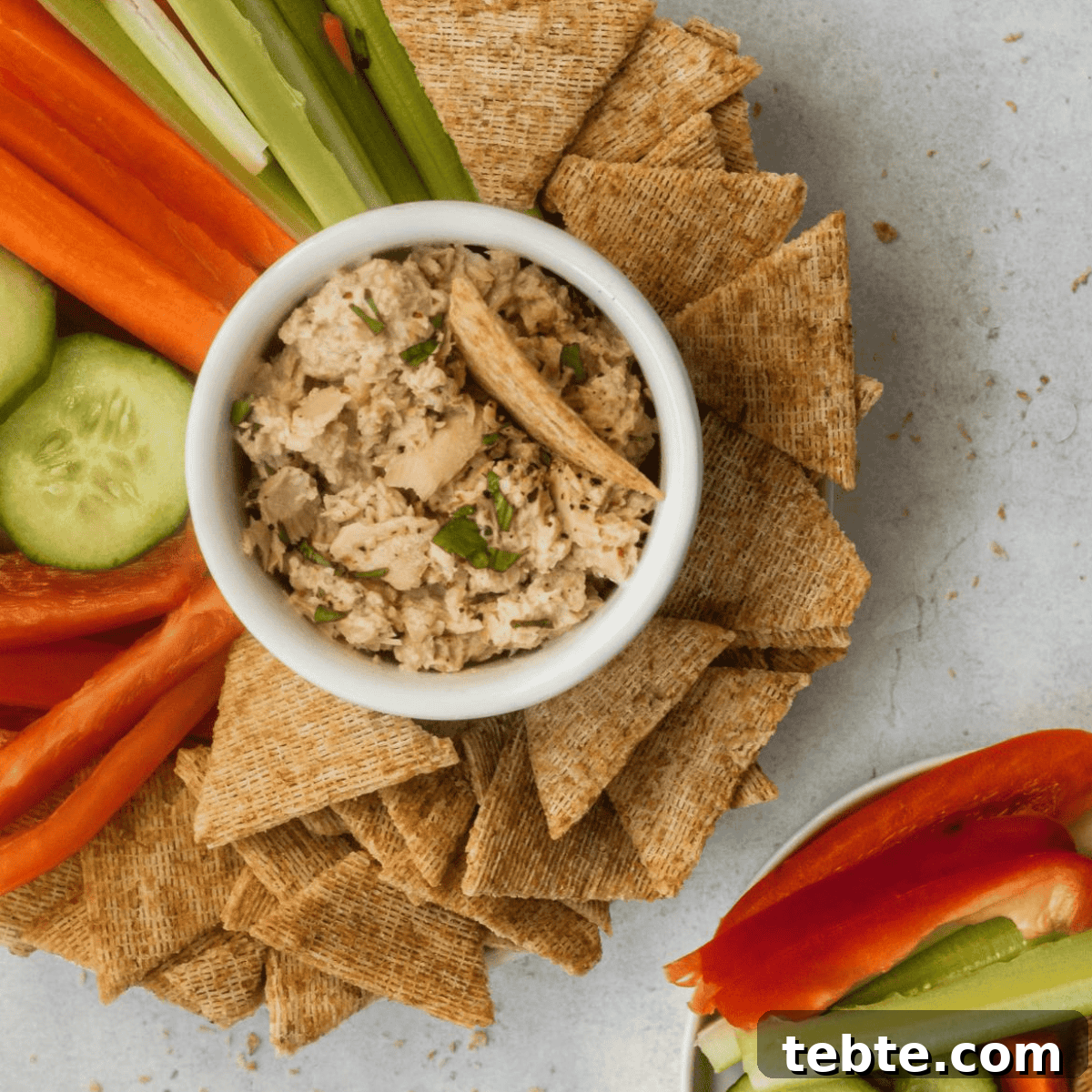
If they want plain crackers, try pairing with:
- Hard-boiled eggs
- Cheese sticks
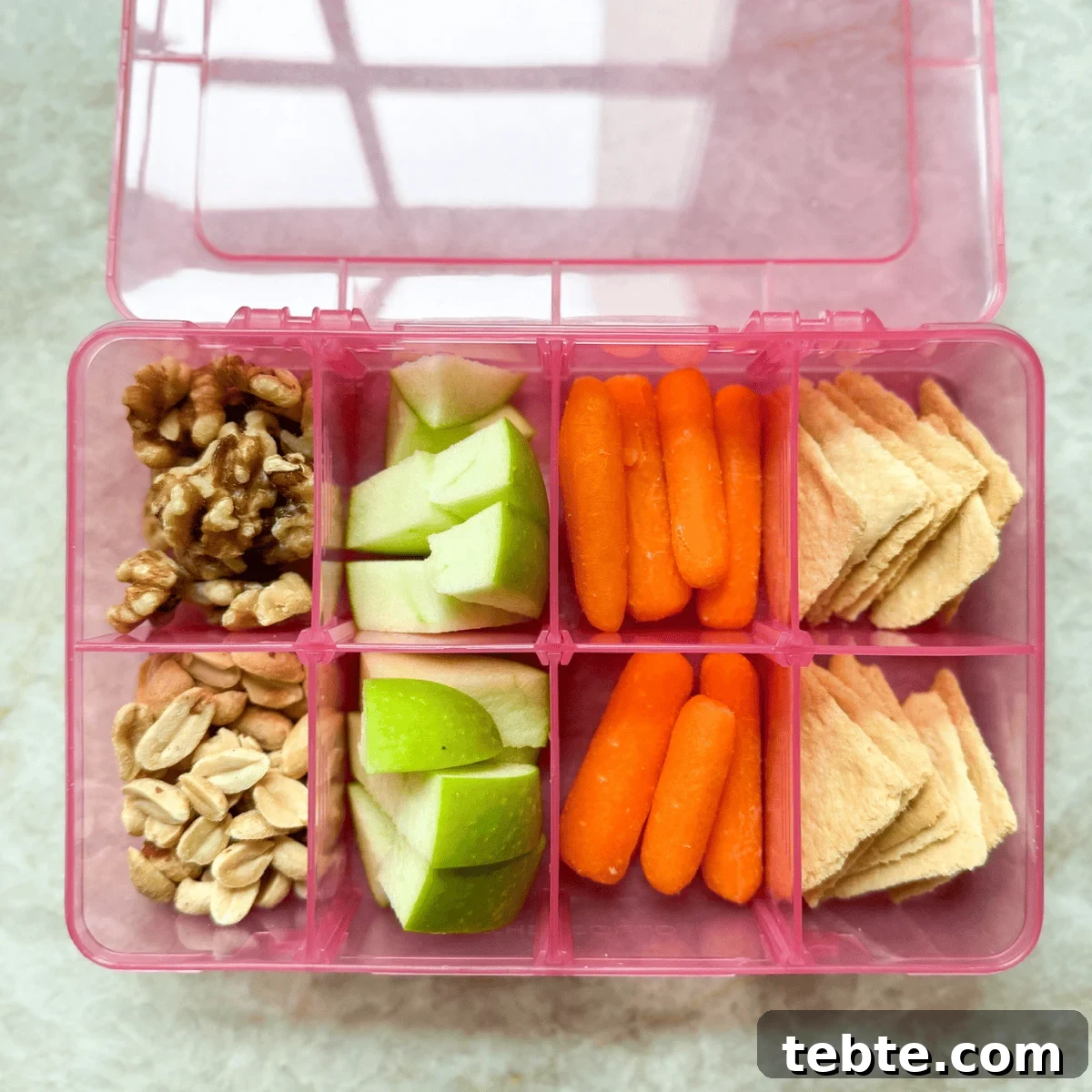
- Thin apple slices
- Yogurt
- Grapes or berries
- Raisins or nuts (age-appropriate)
- Vegetable sticks
I like creating small snack boxes that include crackers plus a few other items. The crackers give kids the fun part of the snack while extra foods add variety and nutrients. For very young toddlers, slice or prepare items appropriately to reduce choking risk.
Don’t Ditch the Crackers
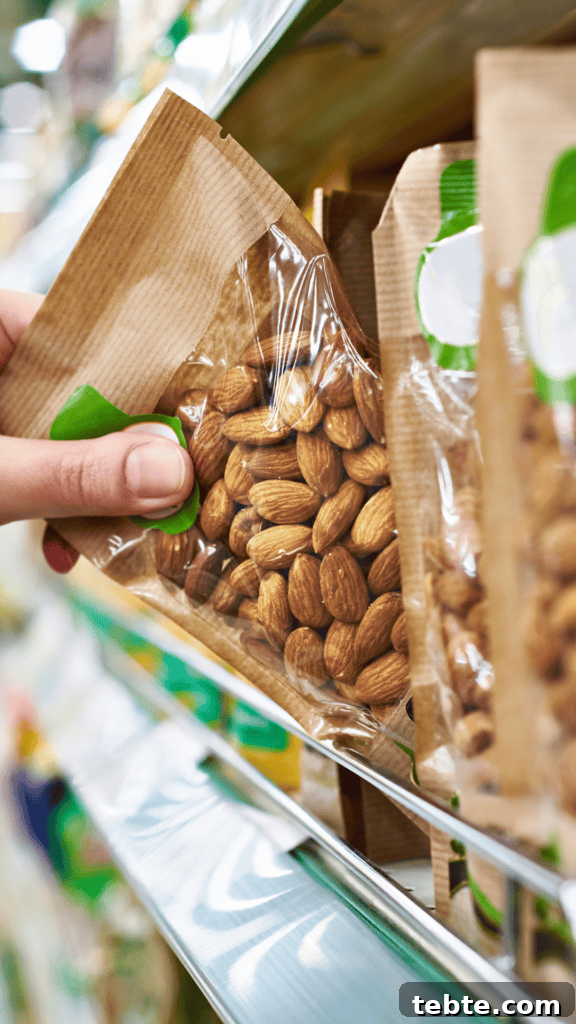
There are crackers I consider better choices and others I reserve as occasional treats. Even crackers that aren’t my top picks can be part of your pantry from time to time. The goal isn’t to police food but to offer nutrient-dense options regularly so children get the variety they need to grow, play, and stay healthy. Next time you’re in the store, look for whole grains, seeds or nut flours, low added sugar, and moderate sodium to help guide your choices.
If you’d like more healthy snack ideas, consider compiling a list of favorites to keep on hand for grab-and-go moments.
Keep a small rotation of better-for-you crackers along with simple, easy-to-serve pairings so snack time stays convenient and more nutritious. Over time, offering variety increases the chance kids will accept new textures and flavors, and snacks become more than just crunchy carbs.