How to store sourdough bread and what are the best ways to keep it fresh? We invest time and care into baking homemade sourdough, so it makes sense to preserve that freshness. Below are eight effective methods to store sourdough and extend its shelf life.
Sourdough Bread
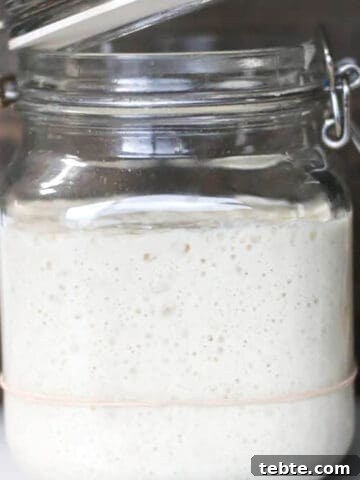
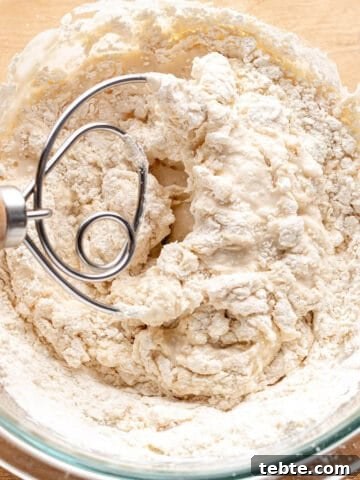
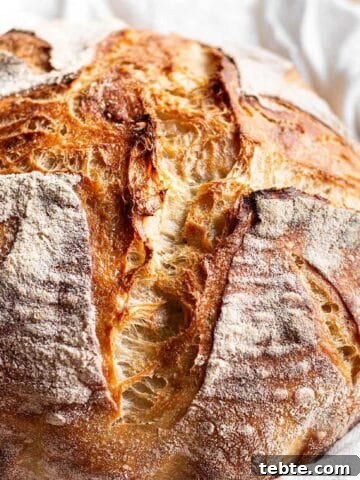
Sourdough baking has become a beloved hobby for many home bakers. The aroma, texture, and flavor of a freshly baked sourdough loaf are hard to beat. Sourdough relies on a starter — a mix of flour and water populated by wild yeast and beneficial bacteria — rather than commercial yeast. The final loaf is simply flour, water, salt, and that living starter, with no added sugar, preservatives, or dairy.
Because sourdough contains no preservatives, it behaves differently from store-bought bread. It tastes best fresh, but with the right storage methods you can preserve its quality for several days and avoid waste.
The main downside of homemade sourdough is its limited shelf life compared to commercial loaves. However, when stored properly, a homemade loaf can remain enjoyable for about four to five days. If it starts to stale, you can repurpose it into breadcrumbs, croutons, or use it in recipes that call for toasted or soaked bread.
How Long Will Sourdough Bread Last?
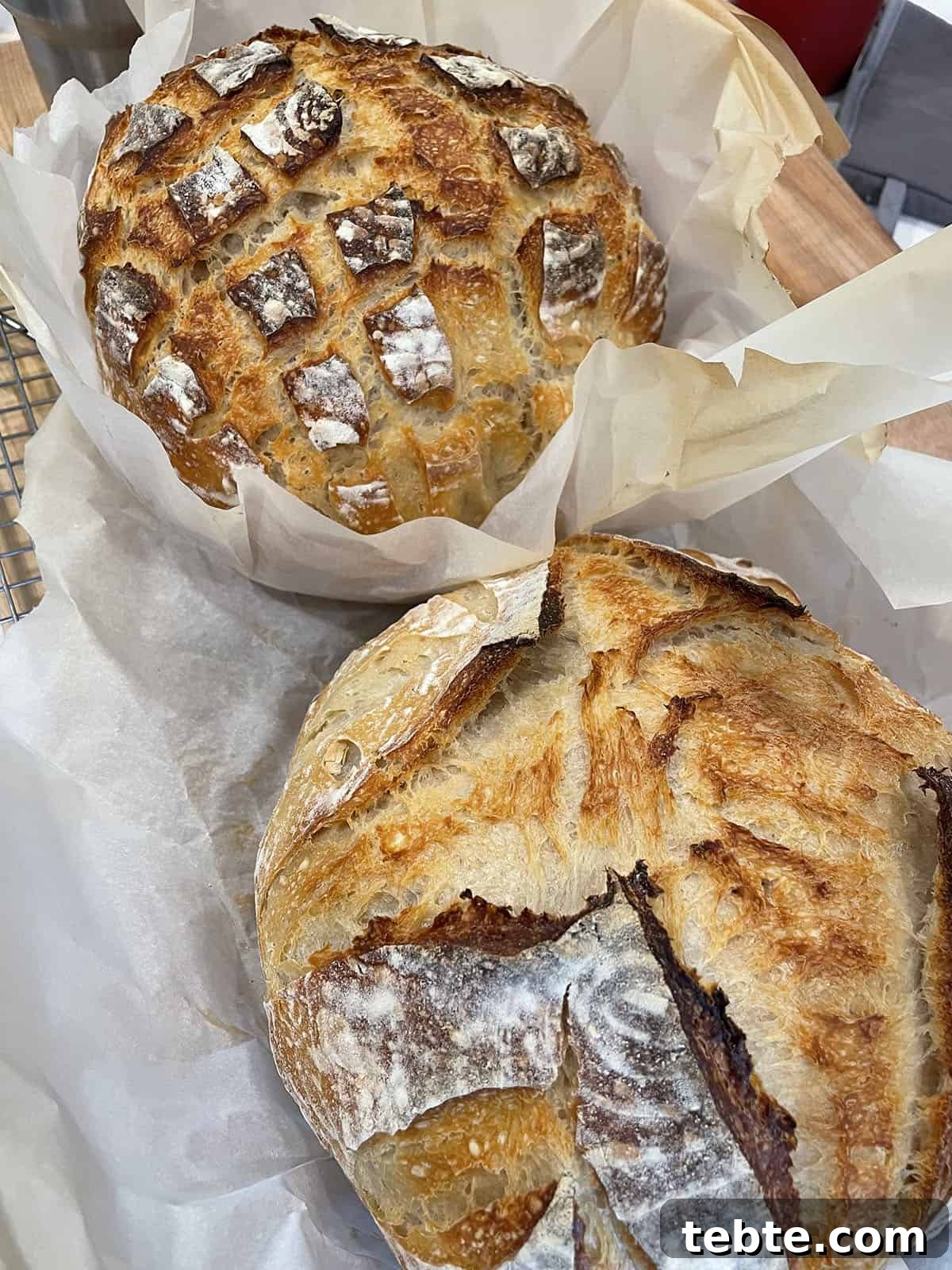
Because it lacks preservatives and added sugar, sourdough can dry out or grow mold faster than many commercial breads. In a busy household, fresh loaves may be consumed quickly, but if you bake several at once, effective storage becomes important.
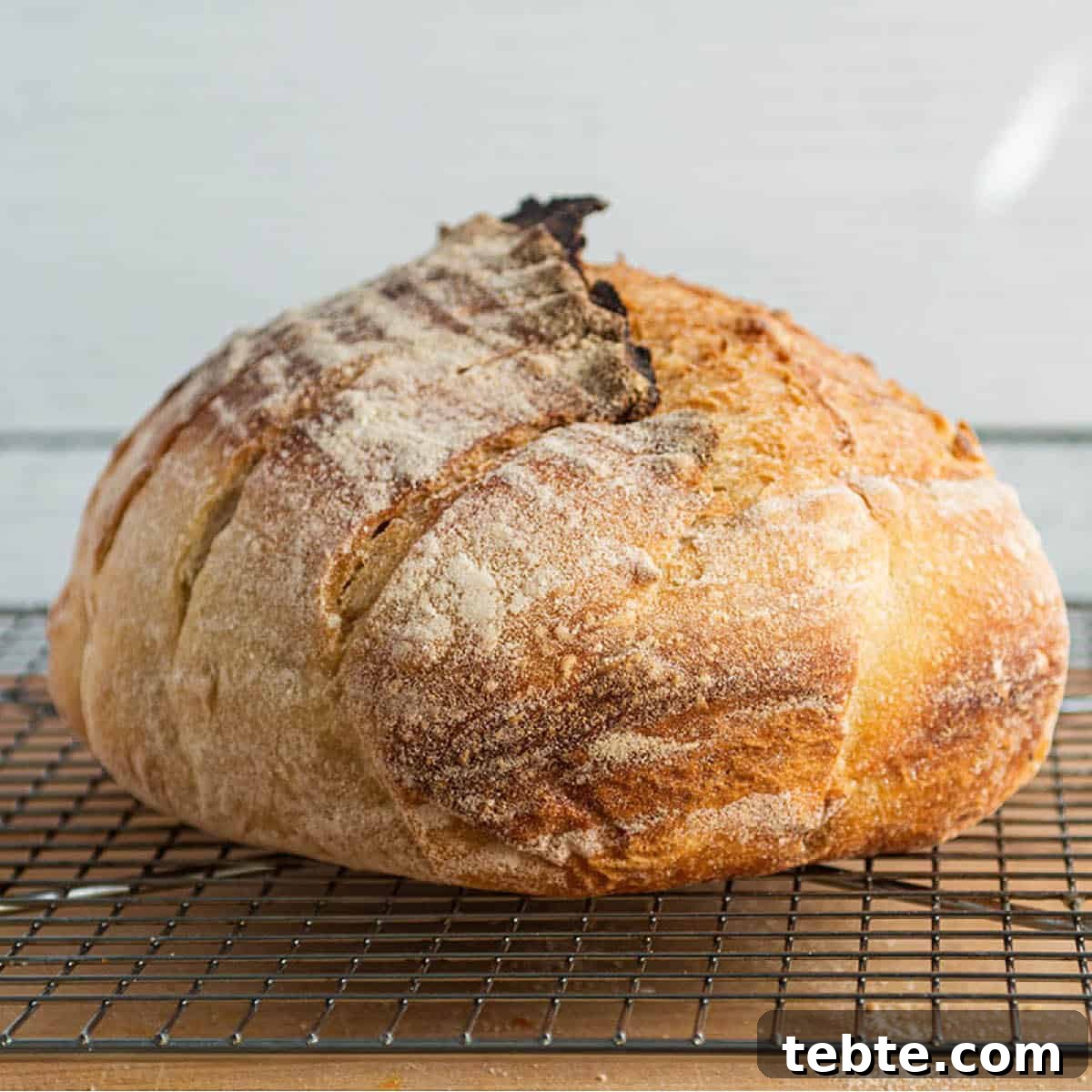
Properly stored homemade sourdough keeps well for 4–5 days. It is firm and flavorful the first day and still quite pleasant the next. After that, it begins to stale, but it can still be rescued for other uses.
How to Store Sourdough Bread
Keep these points in mind when storing sourdough:
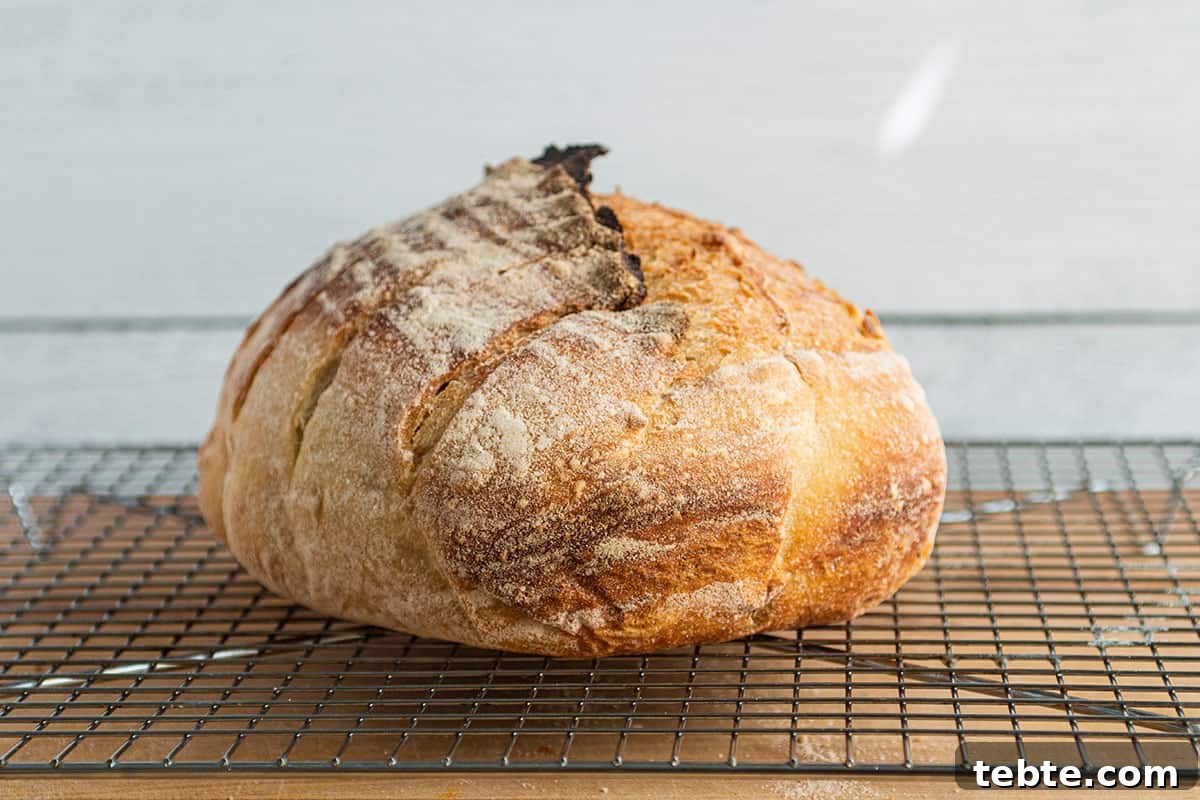
- Allow the loaf to cool completely before storing. Trapping heat and moisture encourages sogginess and mold, so cool the bread on a rack until it reaches room temperature.
- Store in a dry environment. Humidity accelerates mold growth and sogginess.
- The loaf will stale faster once sliced. A whole loaf retains moisture longer; once cut, use the pieces within a couple of days or freeze them to preserve freshness. Minimize air exposure whenever possible.
8 Ways to Store Sourdough Bread
Here are eight practical storage methods that help slow staling and protect the loaf from excess air and moisture.
- Plastic Bag
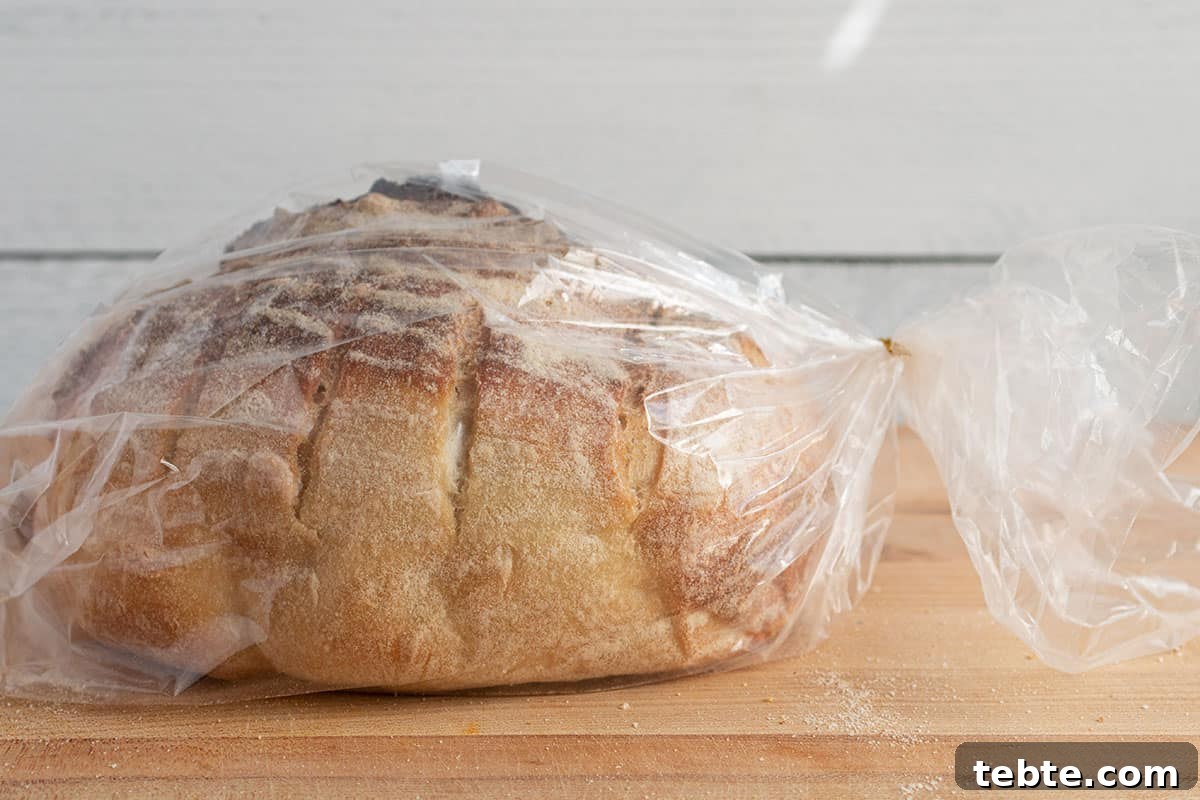
Sealing a completely cooled loaf in a plastic bag is one of the most effective ways to keep it soft and slow mold growth. While plastic isn’t always preferred for environmental reasons, it does an excellent job at retaining moisture, helping the bread stay fresh for a week or more in many cases.
- Brown Paper Bag
A brown paper bag mimics a bakery-style presentation and provides a middle ground between airtight and breathable storage. It helps protect the crust while allowing a little airflow so the crust retains some crispness. Paper bags are also handy for gifting.
- Linen Bag
Cloth or linen bread bags are attractive and reusable. They allow slight airflow, which can preserve a pleasant crust texture, but because they aren’t airtight the crumb may dry out sooner than with plastic.
- Bread Box
A bread box provides a stable, dry environment out of direct sunlight and off the counter. It offers a balance of protection and breathability, keeping loaves accessible and out of sight while slowing staling.
- Plastic Wrap
Wrapping a cooled loaf tightly in plastic cling wrap seals in moisture and can keep the bread soft for several days. This is a quick, effective option when you plan to eat the bread within a week.
- Aluminum Foil
If you prefer to avoid plastic wrap, aluminum foil is a good alternative. It seals tightly and protects against drying and freezer burn when used for freezing.
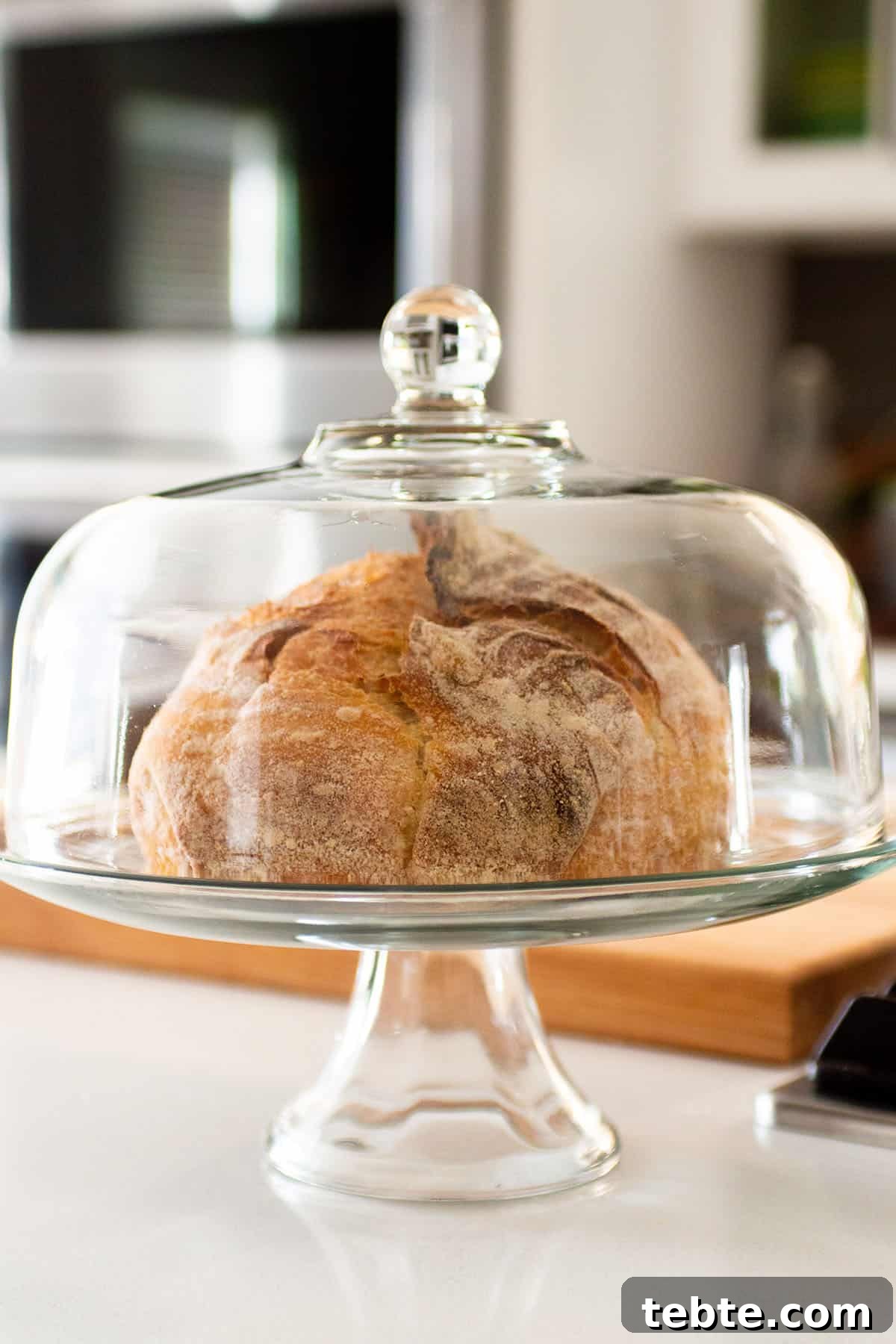
- Dome Cake Plate
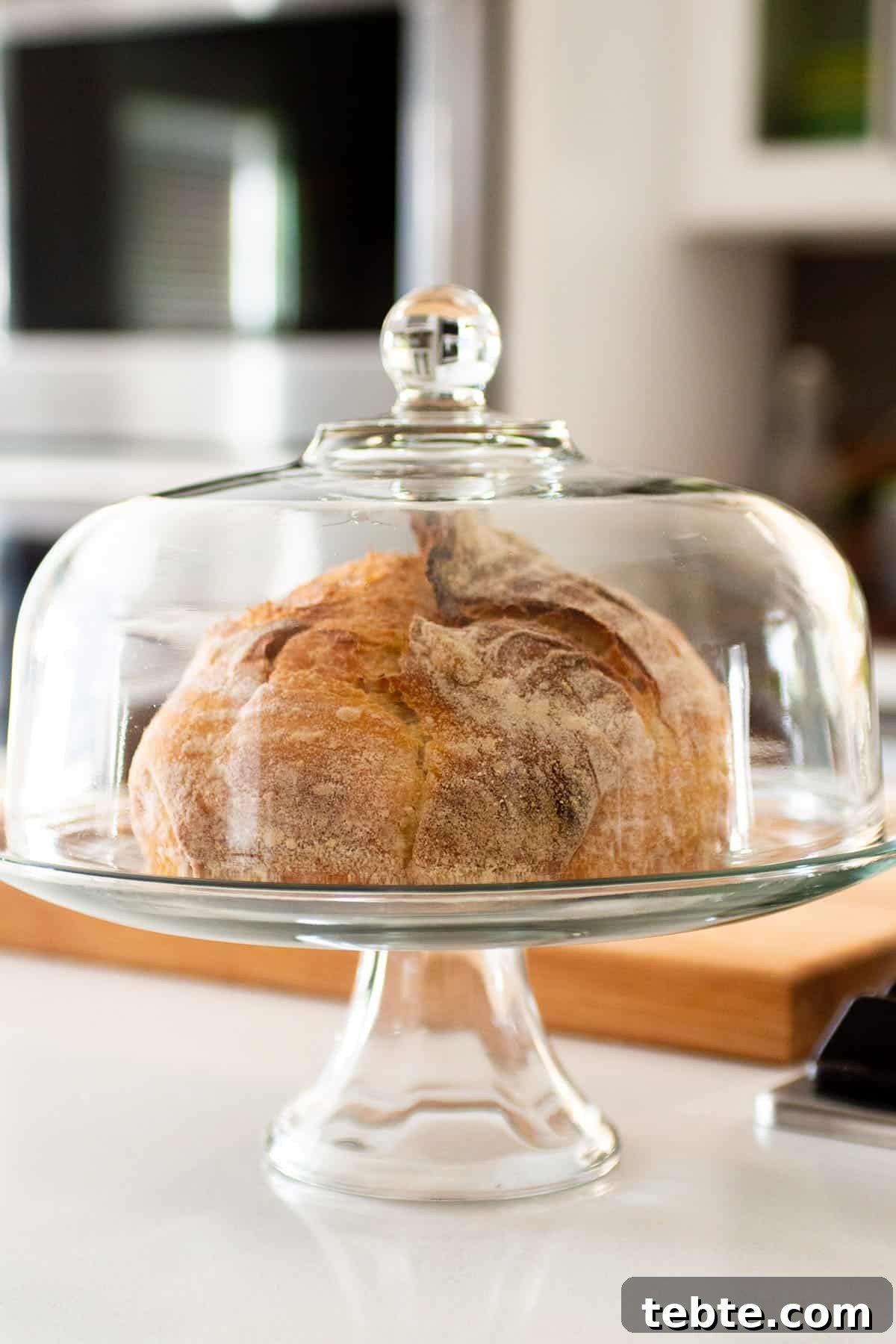
A covered cake stand or domed plate is both decorative and functional. The dome traps a small pocket of air that protects the loaf from drafts and excessive drying while still keeping it visible on the counter.
- Tea Towel
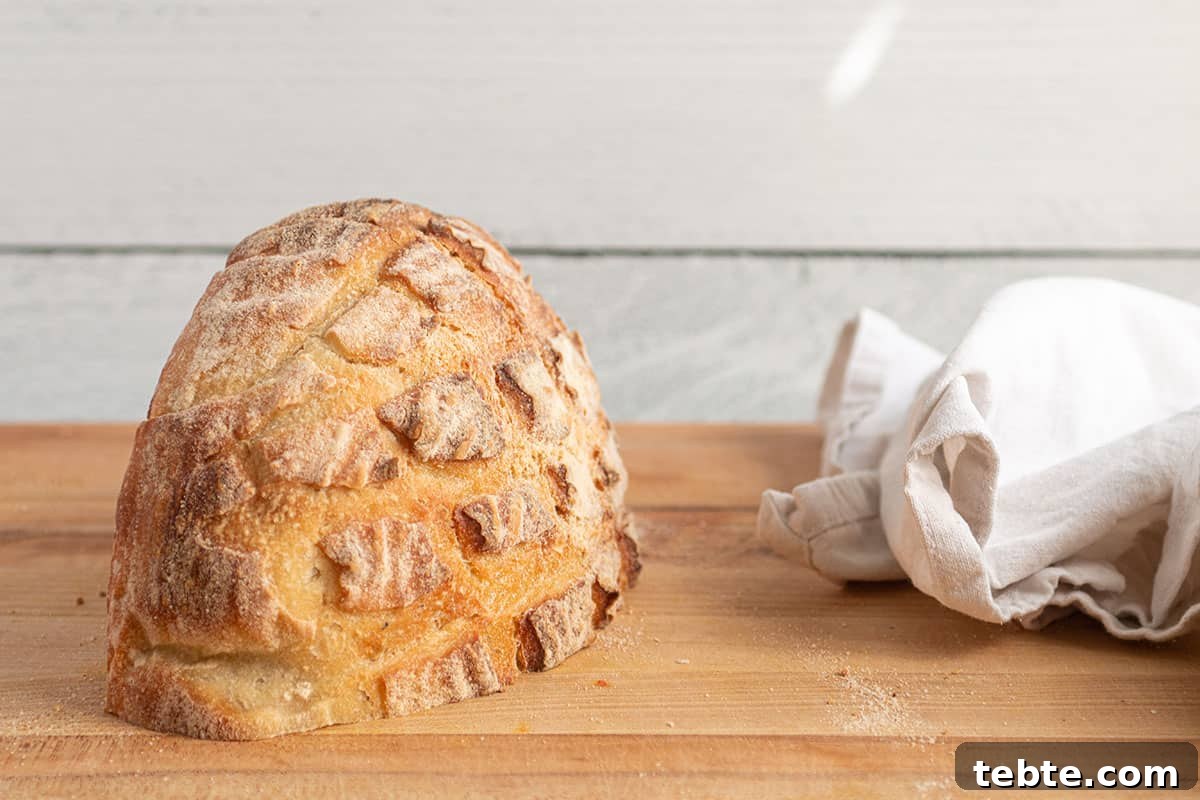
If you’ll eat the bread within a day or two, place the loaf cut side down on a cutting board and cover it with a clean tea towel. This approach keeps the crumb soft and the crust relatively crisp for short-term use.
Can Sourdough Bread Be Frozen?
Yes — freezing is an excellent way to store sourdough long term. Make sure the bread is completely cooled before freezing; any trapped warm moisture increases the risk of freezer burn and texture changes.
You can freeze either whole loaves or individual slices. Wrap tightly in freezer-safe plastic wrap or aluminum foil and place in a freezer bag with the air removed. For sliced bread, slip parchment between slices before bagging to keep them from sticking together.
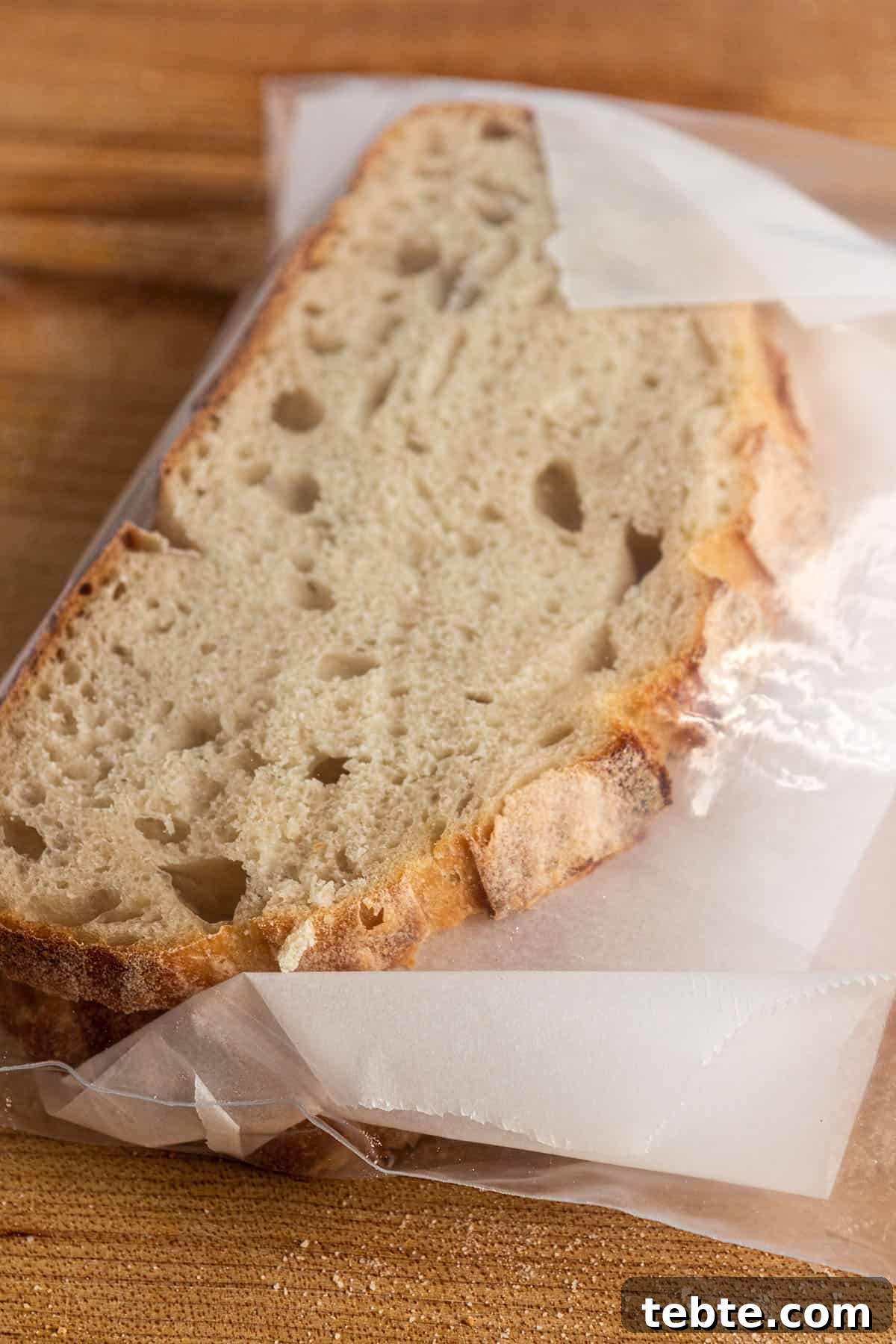
Properly wrapped sourdough keeps well in the freezer for three months or longer. To thaw, remove the wrapped bread and let it come to room temperature on the counter. For slices, you can toast directly from frozen or briefly warm in the oven.
Which of these methods do you prefer? Share your favorite storage tricks and any tips you’ve found useful for keeping sourdough fresh.
If you enjoy baking sourdough and want to learn more about making starters, feeding them, or turning stale loaves into croutons, explore recipes and tutorials that cover those techniques and ideas.
-
Sourdough Croutons
-
How to Make a Sourdough Starter
-
How to Feed a Sourdough Starter
-
Overnight Sourdough Bread