Quick Tip: Growing your own food and running a farmers market made October Unprocessed easy for me. I also cut back on Diet Coke thanks to a soda stream and fresh fruit juices.
It has been a transformative year. During October Unprocessed 2011 I was stuck in an office job with long commutes, staring at two computer screens and sending emails all day. After twelve years in Hollywood I felt drained of the passion that had driven my filmmaking career. I felt lost and trapped, and my escape began with a simple idea: learn to grow my own food.
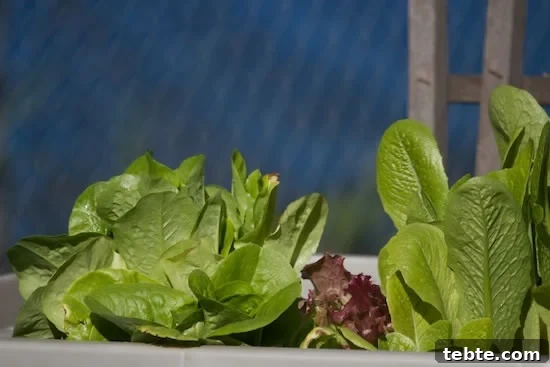
Relying on a paycheck just to buy the basics, especially food, pushed me to experiment. In September I started planting improvised containers and immediately felt a shift. Urban agriculture hooked me. I began scanning every open spot for sunlight and potential planting space. Within weeks we were eating our own lettuce and tomatoes, and there was no turning back.
Around the same time I moved from Venice to North Long Beach and found myself in a community actively exploring new ways to live and work together. I also discovered a fully functioning urban farm less than two miles from my home.
The Growing Experience is a collaborative project originally run by the Los Angeles County Housing Authority with philanthropic support. Located on seven acres within the Carmelitos Housing Community in North Long Beach, it began as a nursery for county landscaping. In 2008 Jimmy Ng shifted its focus toward sustainable farming and orchards.
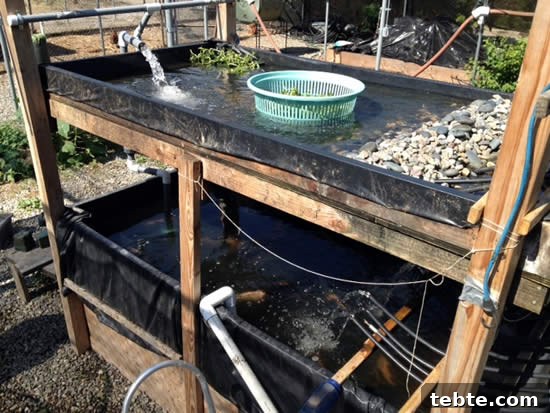
After four years The Growing Experience operates a thriving CSA, supplies produce to local restaurants, and now hosts a weekly onsite farmers market on Saturdays from 10am to 2pm. The site includes four acres of intensive crop production and three acres of orchard in development with tropical fruits, citrus, figs, and avocado. They also keep chickens for fresh eggs and run an aquaponics system that raises tilapia and watercress.
To share knowledge and grow opportunities, Jimmy partnered with the LA County Community Development Foundation to create a program training residents in urban farming and incubating small urban agriculture businesses. The Business Trainee Program (BTP) brings Carmelitos residents and several Long Beach participants together for a year, with the aim of launching new businesses. I’m honored to be part of the inaugural class.
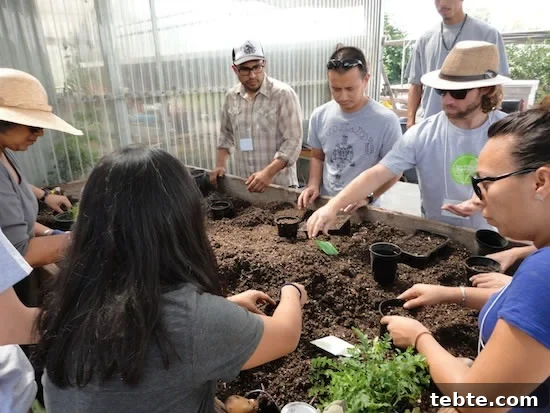
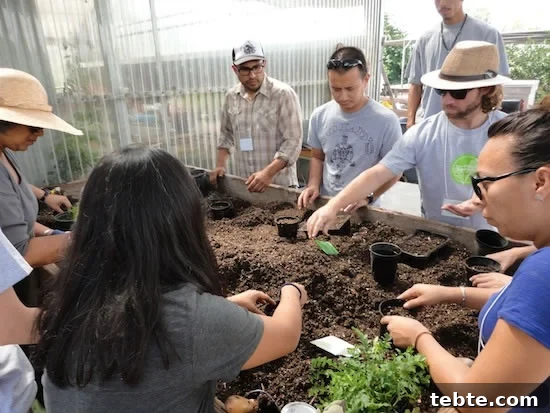
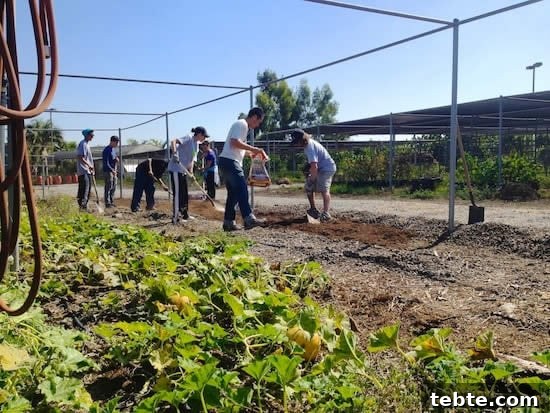
The program centers on hands-on farm work to root business ideas in the practical realities of producing food for market. Business planning and execution are emphasized alongside farming skills. We’re starting with test beds to produce CSA crops; these beds are intensively planted and we’re collecting detailed production data. At the same time we’re using indoor propagation to grow seedlings that will fill the beds in a few weeks.
In the new year we’ll shift toward individual or group business development. Spring planting will drive production for many of us, while all participants will work on business plans with guidance from experts at Wells Fargo, the University of Southern California, UC Extension, and local advisors. We’ll address the specific economics of urban agriculture: intensive organic cultivation, storage, local distribution, marketing, finding new markets, and alternative financing and fundraising.
By summer we expect full production and an expanded CSA subscriber base. We’ll also apply for business licenses, the final requirement for program completion. There’s much to do, but I’m excited and grateful to be part of this unique opportunity.
I’ve launched a blog, The New Market Gardener, where I’ll share my journey. You can also find me at the Greener Good Farmers Markets in Long Beach—Wednesday afternoons in North Long Beach and Saturday mornings in West Long Beach.
If you want to learn more about The Growing Experience or join the CSA, contact Jimmy Ng at Jimmy.Ng[at]lacdc[dot]org. The farm is open to the public Monday through Friday, 9am–6pm, at 750 Via Carmelitos, Long Beach, CA.
If you’re thinking of becoming an urban farmer, get hands-on experience with a local grower. The following organizations and projects inspired me and offer practical resources and examples:
Growing Power – a model for urban food systems and training.
Polyface Farms – examples of sustainable, regenerative farming practices.
Soil Born Farms – a successful mix of large-scale and urban plots.
Urban Harvest – strong community-based farming and market programs.
Iron Street Farm – urban collaboration and practical demonstration projects.
Georgia Organics – urban farming training and local food advocacy.
Brownsville Student Farm – a community farm project with educational impact.
The Essential Urban Farmer and the Ghost Town Farm blog – practical, hard-earned insight from Novella Carpenter.
Mother Earth News – a broad resource for farming and gardening knowledge.
SPIN Farming – a business model geared to small-plot, intensive production for urban farmers.
Realtime Farms – a tool for tracing where food comes from.
Local Harvest – a resource to find farmers markets, CSAs, and local food sources.