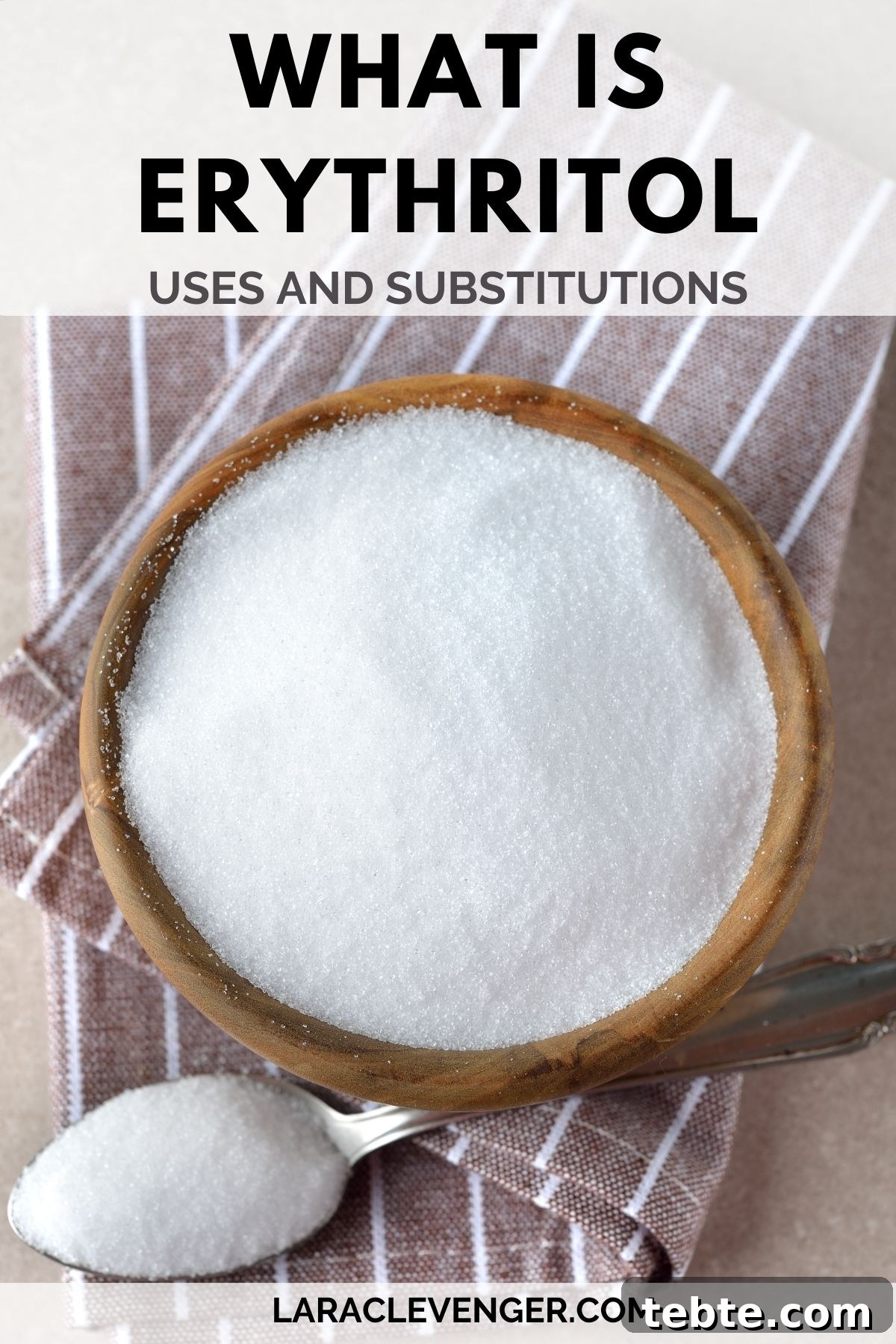
With growing interest in healthier eating, erythritol has gained attention as a low‑calorie sweetener with notable benefits and few side effects. But what exactly is erythritol, and is it safe? This article explains how erythritol is made, its health effects, common uses, and suitable substitutions so you can decide whether to include it in your diet.
The Sweet Science of Erythritol: Benefits and Safety of Erythritol
Erythritol is a sugar alcohol used widely as a sugar substitute in foods and beverages. It offers sweetness with almost no calories and has a neutral effect on blood glucose, making it attractive for people managing calories or carbohydrates. Like other sugar alcohols, erythritol can produce a mild cooling sensation on the palate, and very sensitive tasters may notice a more pronounced cooling taste.
Because it doesn’t raise blood sugar and contributes negligible energy, erythritol is commonly chosen for low‑carb, ketogenic, and calorie‑reduced recipes. This post covers what erythritol is, how it’s produced, potential health benefits, tolerability, and practical substitution ratios for baking and cooking.
Try this recipe: Ninja Creami Pumpkin Ice Cream
What is Erythritol?
Erythritol is a naturally occurring sugar alcohol found in small amounts in some fruits (such as melons, pears, and grapes) and in fermented foods like cheese and soy sauce. Commercial erythritol is most often produced by fermenting glucose with specific yeast or microbial cultures, then purifying the resulting compound for use in foods and beverages. It closely resembles table sugar in appearance and sweetness profile but contains far fewer calories.
Is Erythritol Bad for You?
Authorities including the U.S. Food and Drug Administration recognize erythritol as safe for use in food. Compared with other sugar alcohols, erythritol is generally well tolerated because most of it is absorbed in the small intestine and excreted unchanged in the urine, rather than reaching the large intestine where fermentation can cause gas and bloating. At very high doses some people may experience nausea or mild gastrointestinal discomfort, but typical culinary amounts are unlikely to cause problems for most individuals.
What is Erythritol Made From?
Small amounts of erythritol occur naturally in several fruits and fermented foods. Industrially, erythritol is produced by fermenting glucose derived from starch sources using specific yeasts or microbial strains. The fermentation product is then purified and crystallized into a white powder similar to sugar, suitable for use in candies, baked goods, beverages, and tabletop sweeteners.
Health Benefits of Erythritol
Erythritol offers several potential benefits when used to replace sugar:
Dental health: Unlike sugar, erythritol does not promote tooth decay. Research indicates it may reduce dental plaque and inhibit the growth of certain oral bacteria, and daily use in candies or lozenges has been associated with reduced plaque accumulation.
Weight and satiety: Because erythritol contributes negligible calories, it can help lower overall energy intake when substituted for sugar. Some short‑term studies suggest it may modestly influence appetite‑regulating hormones, though more research is needed to clarify long‑term effects on body weight.
Metabolic effects: Erythritol has a glycemic index of zero and does not raise blood glucose or insulin levels, making it suitable for people monitoring blood sugar. Early studies report potential benefits for vascular function in specific populations, but larger, long‑term human trials are necessary to establish clinical effects.
Erythritol Substitutes
When substituting erythritol for other sweeteners, adjust quantities because sweetness varies between sweeteners. Typical substitution guidelines are:
- To replace sugar: Erythritol is about 60–80% as sweet as sugar. Use roughly 1.4 tablespoons of erythritol to replace 1 tablespoon of sugar (adjust to taste).
- To replace maple syrup: Use about 1.5 tablespoons of erythritol for every 1 tablespoon of maple syrup, keeping in mind syrup provides moisture and flavor beyond sweetness.
- To replace monk fruit: Use approximately 1.25 tablespoons of erythritol for each tablespoon of monk fruit sweetener, depending on the concentration of the monk fruit product.
- To replace allulose: Erythritol and allulose are similar in sweetness, so you can often swap them 1:1.
- To replace xylitol: Erythritol is slightly less sweet than xylitol; use about 1.25–1.4 tablespoons of erythritol to match 1 tablespoon of xylitol.
When baking or making beverages, consider texture and moisture differences and adjust liquid or bulking agents as needed to achieve the desired result.
Side Effects
Most people tolerate erythritol well because roughly 90% is absorbed in the small intestine and excreted unchanged in urine, reducing the likelihood of fermentation in the colon that causes gas and bloating. At very high intakes (for example, scores of grams at once) some individuals may experience stomach discomfort, nausea, or rumbling. Compared to other sugar alcohols, erythritol has a lower risk of laxative effects for typical culinary usage.
Erythritol on a Keto Diet
Erythritol is a popular sweetener for ketogenic and low‑carb diets because it contributes very few calories (about 0.21 kcal/g) and does not raise blood glucose or insulin. Because it is effectively noncaloric and passes through the body without significant metabolism, it does not count toward net carbs for many people tracking carbohydrate intake on low‑carb plans.
Erythritol and Net Carbs
Erythritol is often treated as noncaloric when calculating net carbohydrates because it is poorly metabolized and provides minimal usable energy. This makes it a practical option for people who monitor net carbs for weight management or blood sugar control.
Erythritol and Glycemic Index
Erythritol has a glycemic index of zero and does not raise blood glucose or insulin levels. It is largely excreted unchanged in the urine. These properties make it useful as a sugar alternative for people managing obesity, prediabetes, or diabetes, though continued research will help clarify any longer‑term metabolic effects.