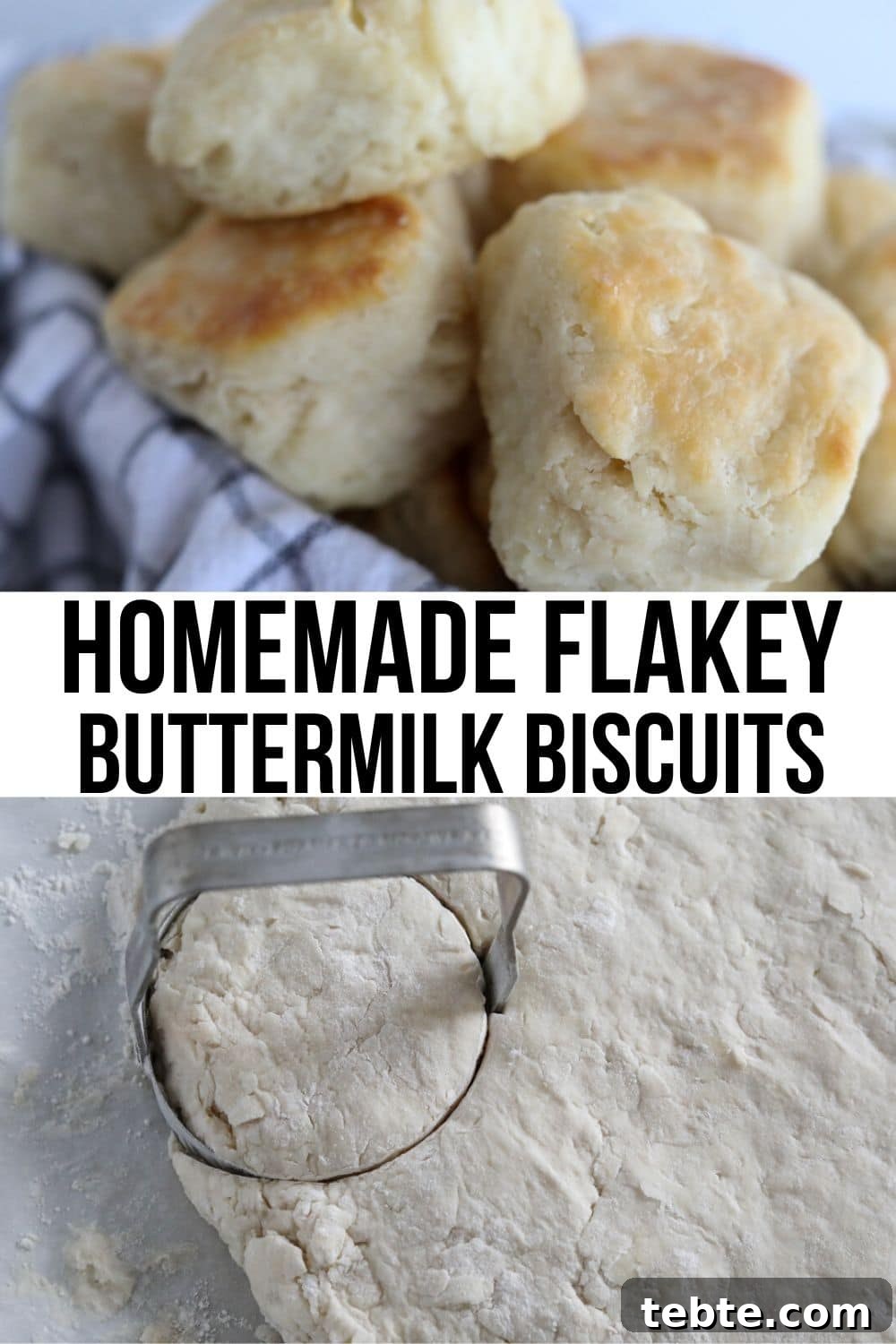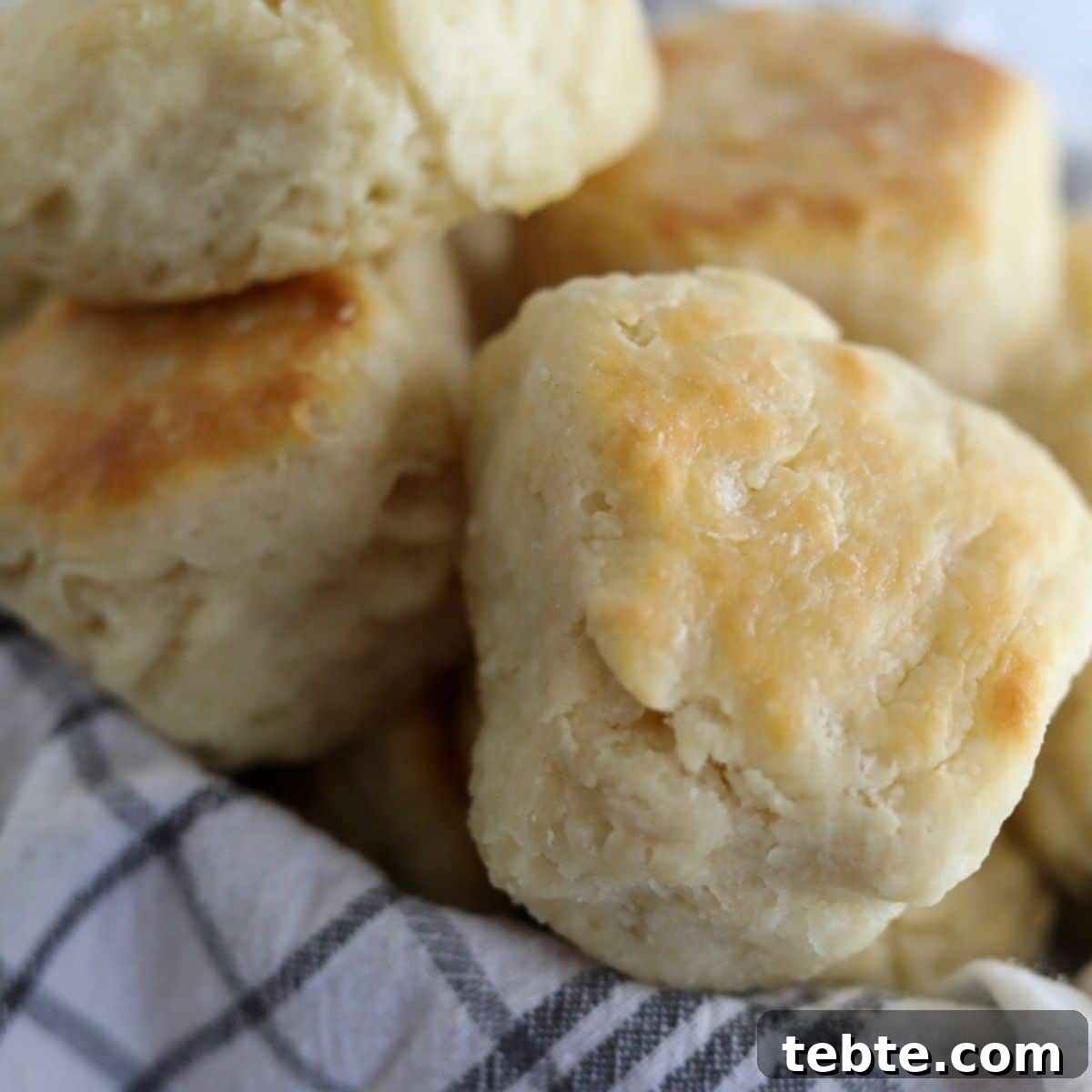
This Homemade Biscuits from Scratch recipe yields tender, flaky biscuits with just three ingredients and minimal time. Ready from oven to table in about 15 minutes, this simple, quick bread is perfect for breakfast, lunch, or dinner.
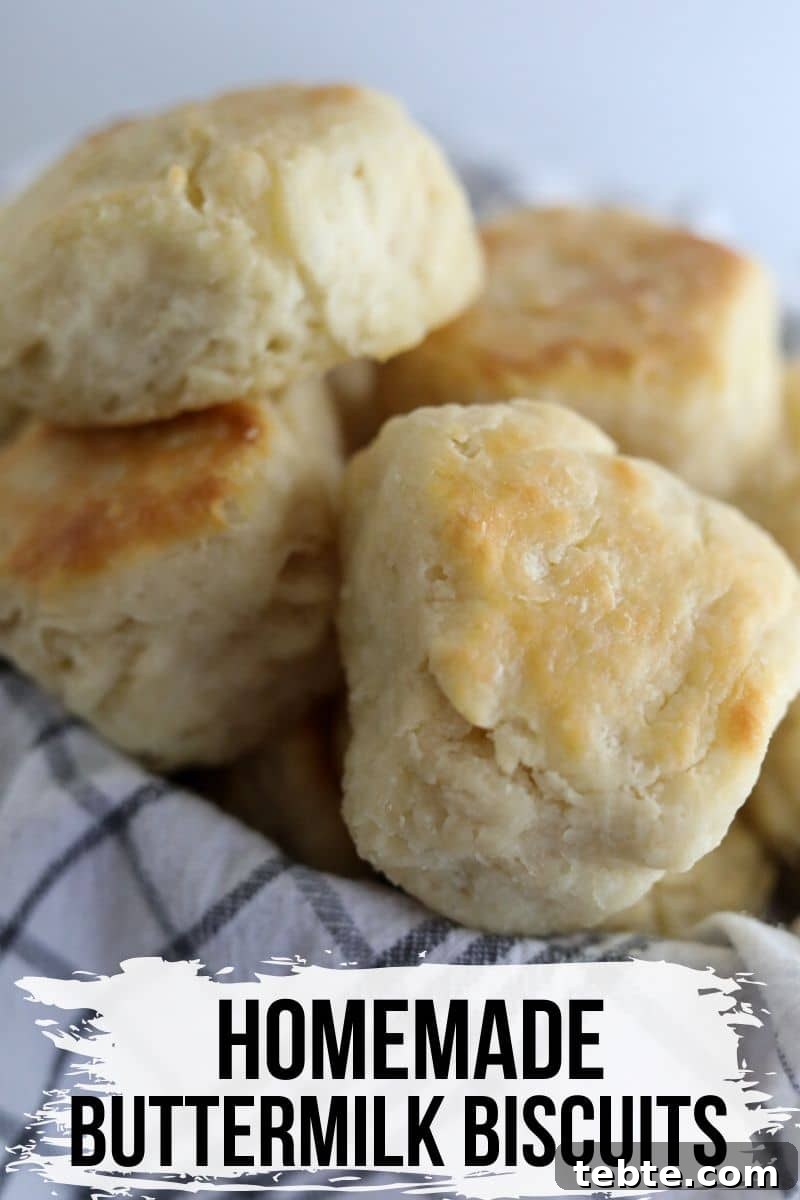
How to make buttermilk biscuits from scratch
Biscuits are classic comfort food: serve with fried chicken for dinner, with soup at lunch, or with gravy at breakfast. While making biscuits from scratch can seem intimidating, this recipe is straightforward and forgiving, even for a first-time baker. Follow these steps to make light, flaky biscuits with a tender crumb.
Main ingredients you’ll need:
- Butter — provides flavor and helps create a light, airy texture.
- Self-rising flour — contains the leavening to make the biscuits tall and tender.
- Buttermilk — lends a slight tang and reacts with the flour for extra lift.
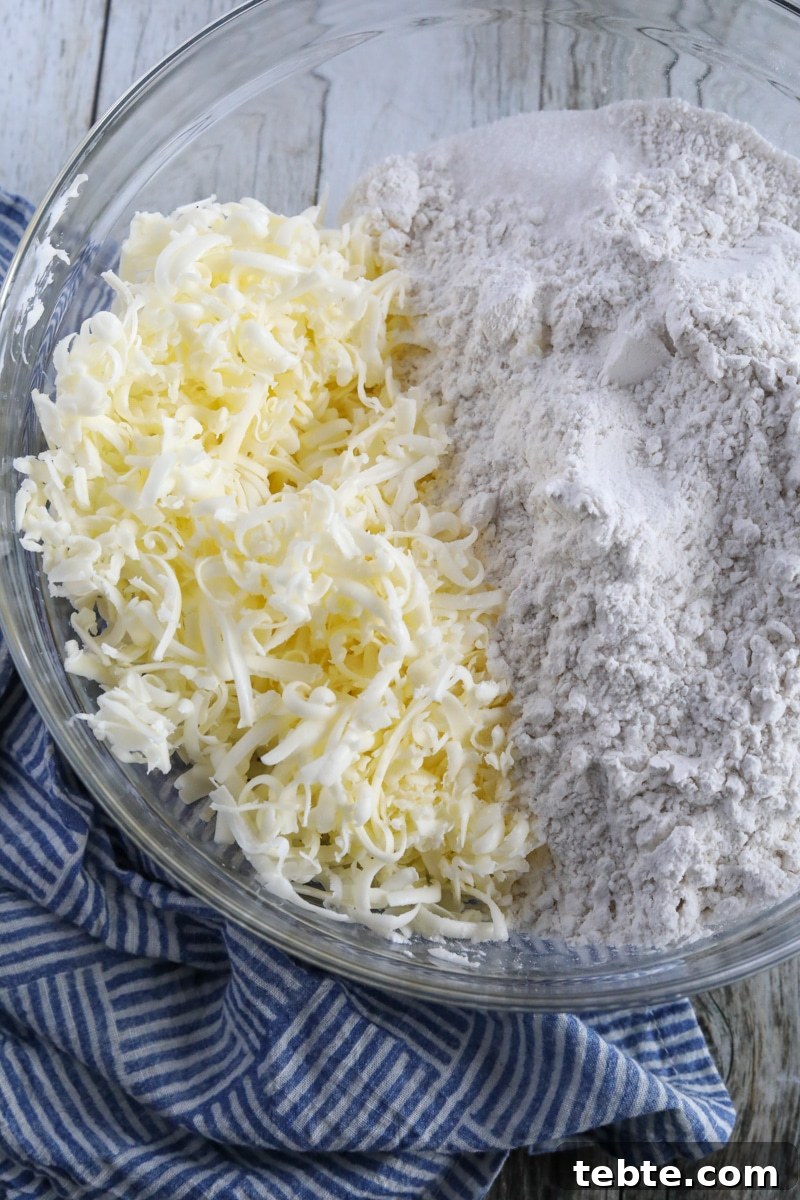
Step 1: Freeze the butter, then grate it using the large holes of a box grater. Combine the grated butter with the self-rising flour in a large bowl. Keep the butter cold throughout the process by handling it as little as possible; you can chill the flour as well to keep the dough cold.
If the butter softens slightly while grating, that’s okay — avoid letting it melt. After combining the butter and flour, chill the mixture so the butter firms up again.
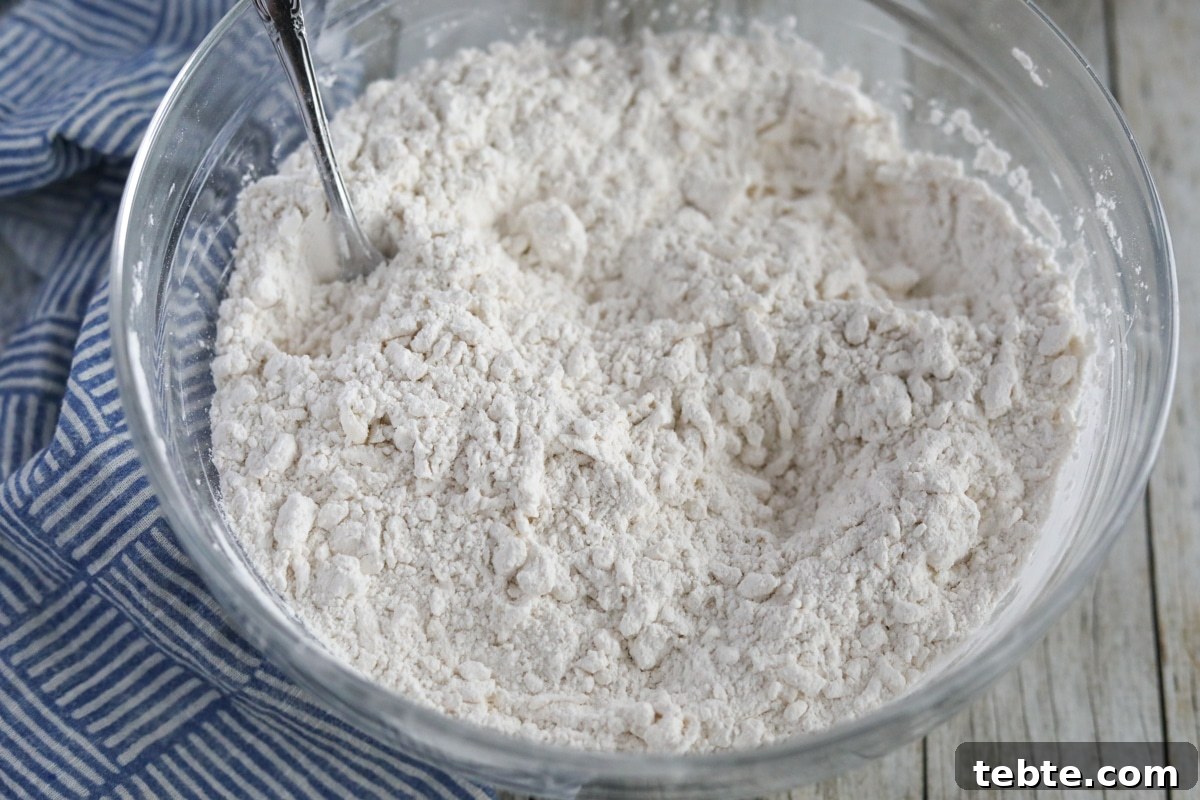
Step 2: Use a fork to cut the butter into the flour, pressing until you have pea-sized crumbs. Return the mixture to the refrigerator for about 10 minutes. If the butter feels too soft, chill longer or briefly freeze the bowl.
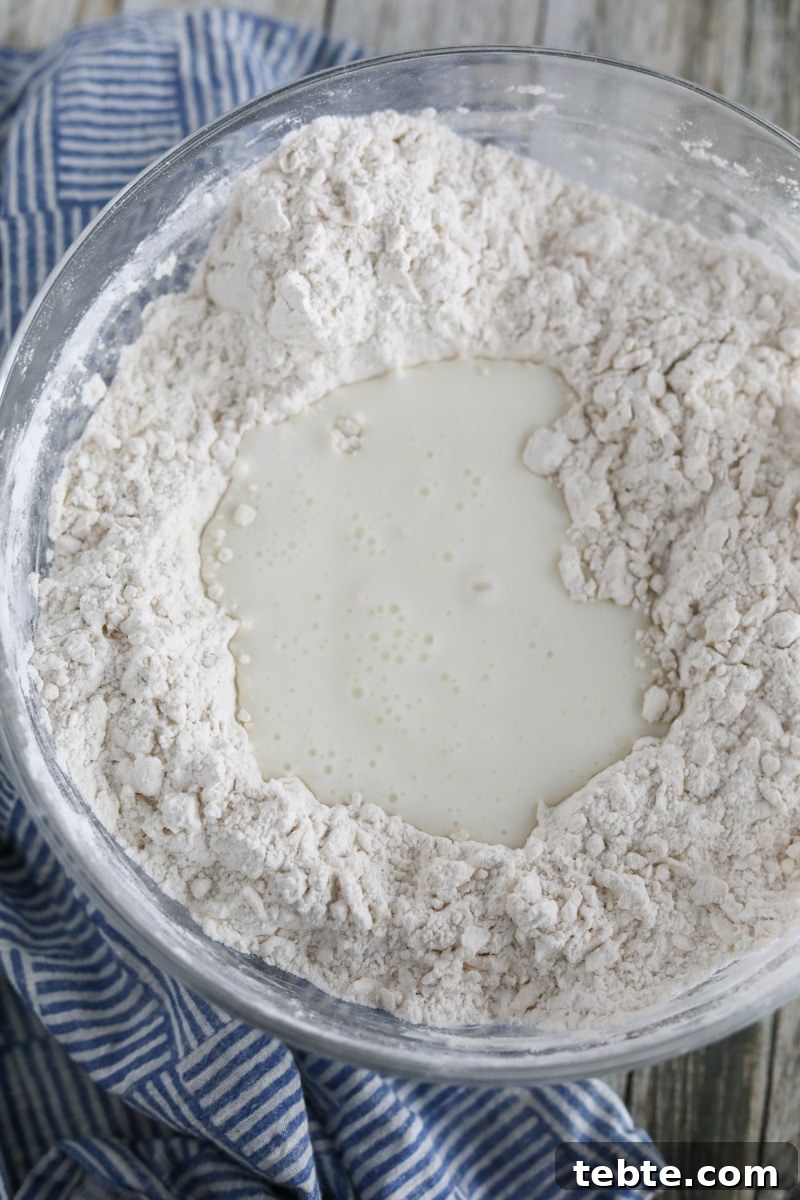
Step 3: Make a well in the center of the flour mixture and pour in cold buttermilk. If you don’t have buttermilk, make a substitute by adding 1 tablespoon lemon juice or vinegar to 1 cup milk and letting it sit for 10 minutes.
Stir the mixture until it is just combined. The dough should remain slightly shaggy with visible bits of butter and flour; overmixing develops gluten and yields tougher, denser biscuits.
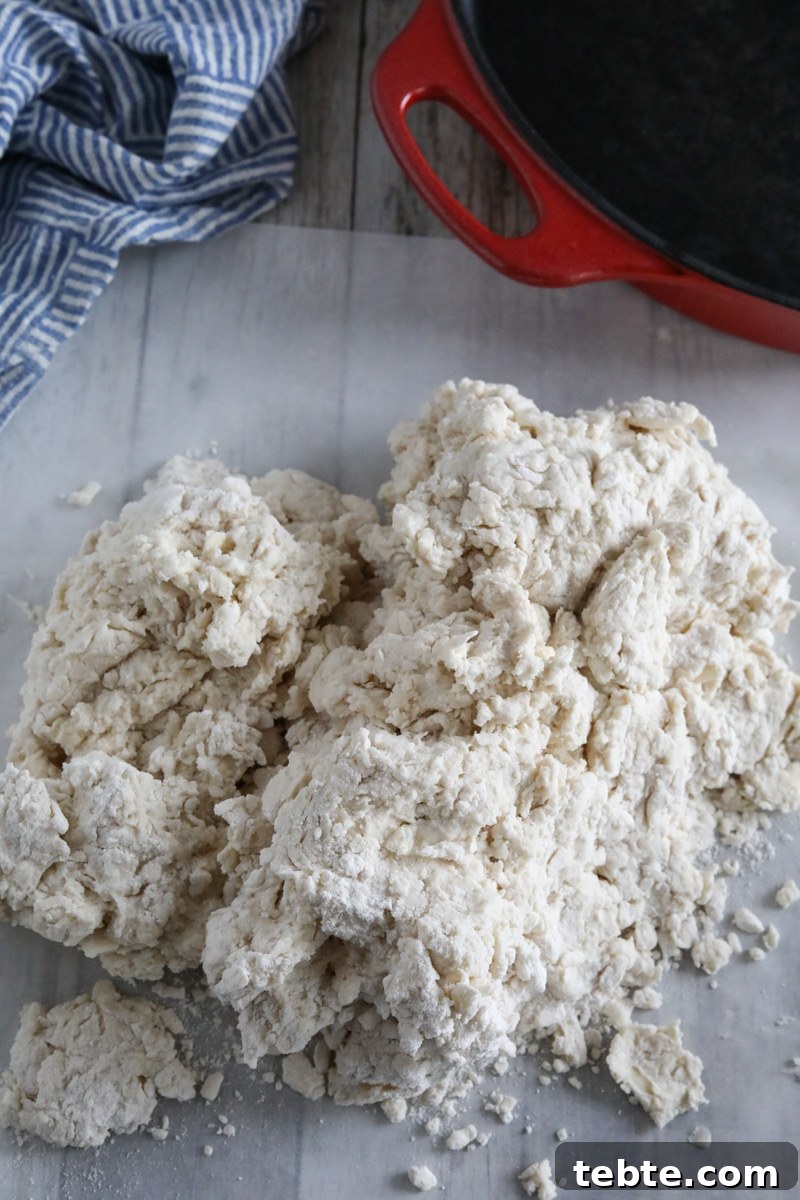
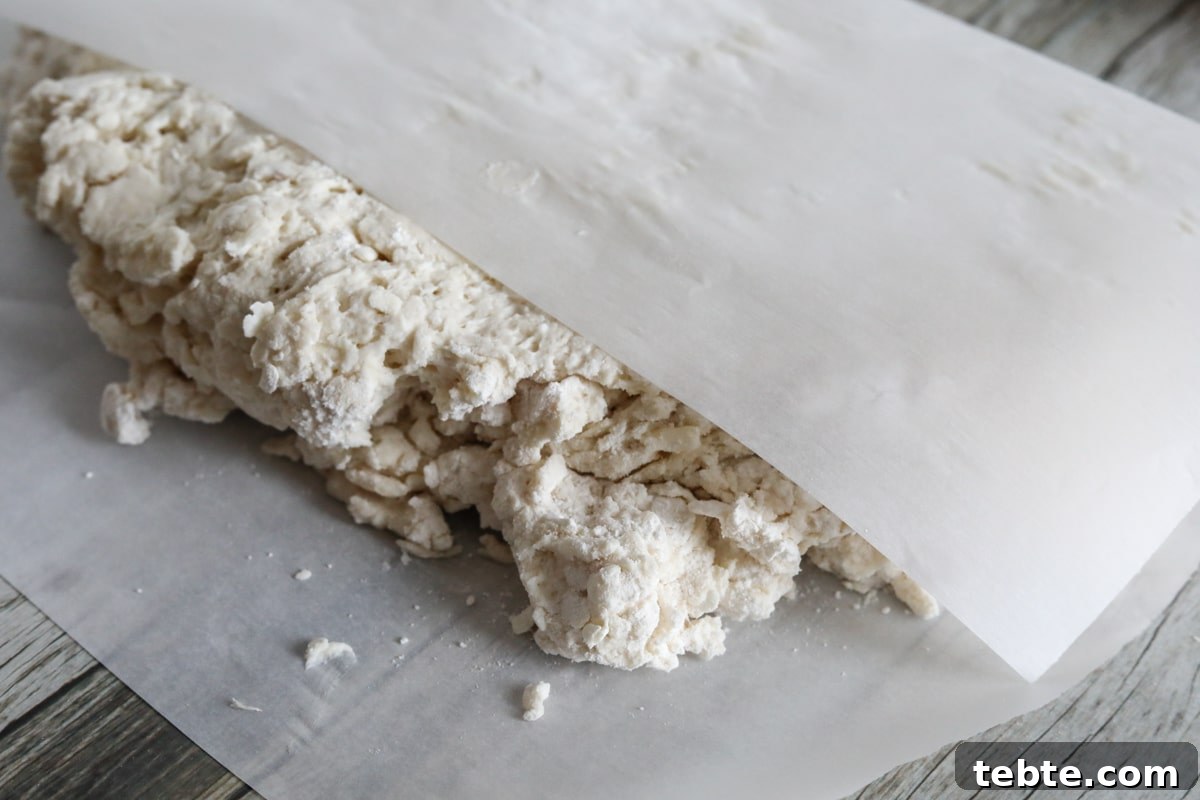
Step 4: Turn the dough onto a lightly floured surface and gently pat into a rectangle. Fold the dough over itself (like a letter fold), reshape into a rectangle, and repeat this folding 2–3 times to build flaky layers.
Step 5: Using a lightly floured rolling pin, roll the dough to about 1/2 inch thick. If the dough is sticky, dust with a bit more flour on the surface or rolling pin.
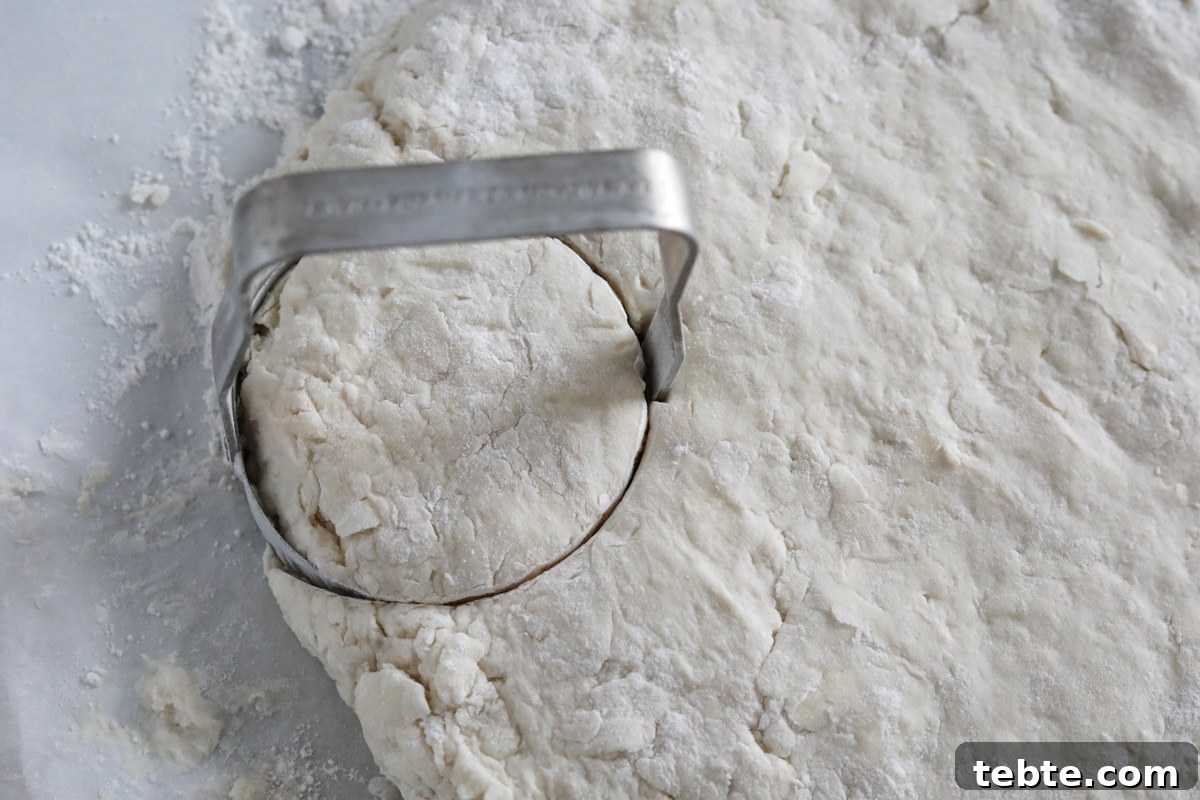
Step 6: Cut the biscuits with a biscuit cutter without twisting. Twisting seals the edges and prevents proper rising and layering. Re-roll scraps as needed; biscuits from re-rolled dough will be slightly less tender but still tasty.
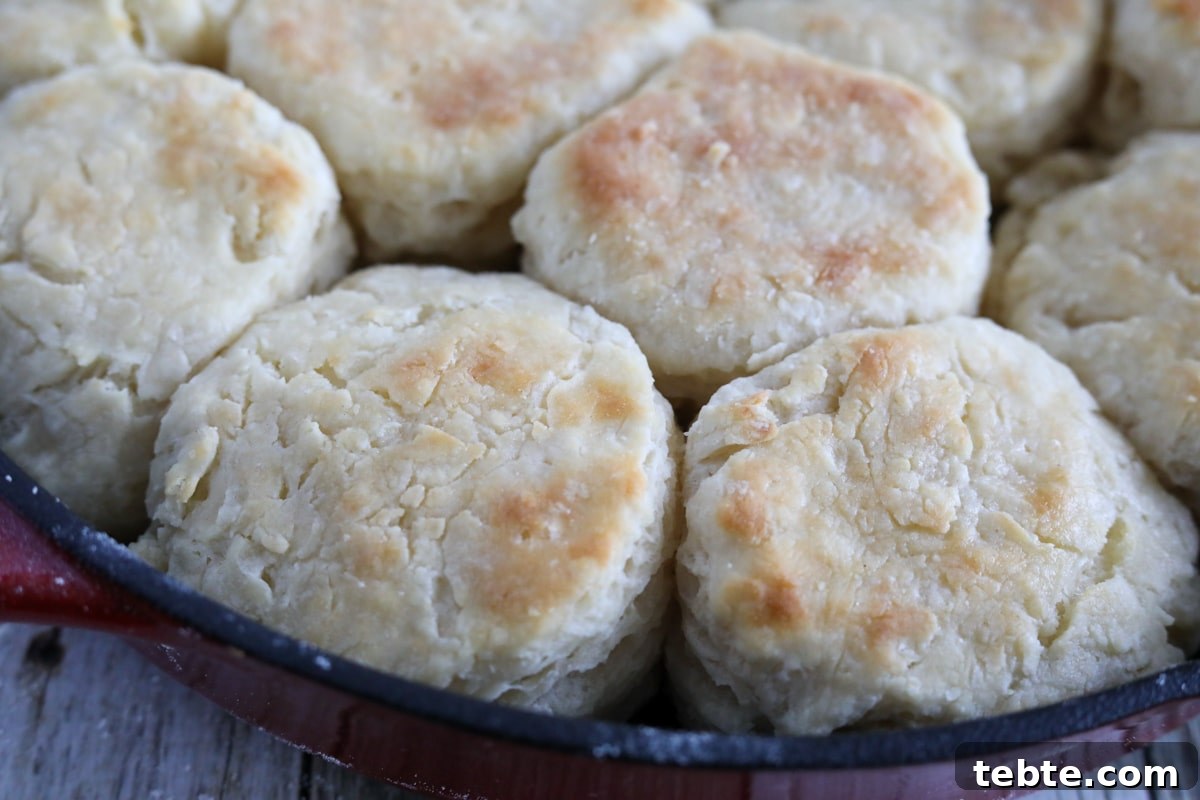
Step 7: Arrange the biscuits in a cast-iron skillet or baking pan so the edges touch. This helps them rise upward instead of spreading. Melt the topping butter and brush half on the tops before baking. Bake at 475°F for about 15 minutes, until the tops are lightly golden. Brush with the remaining melted butter as soon as they come out of the oven.
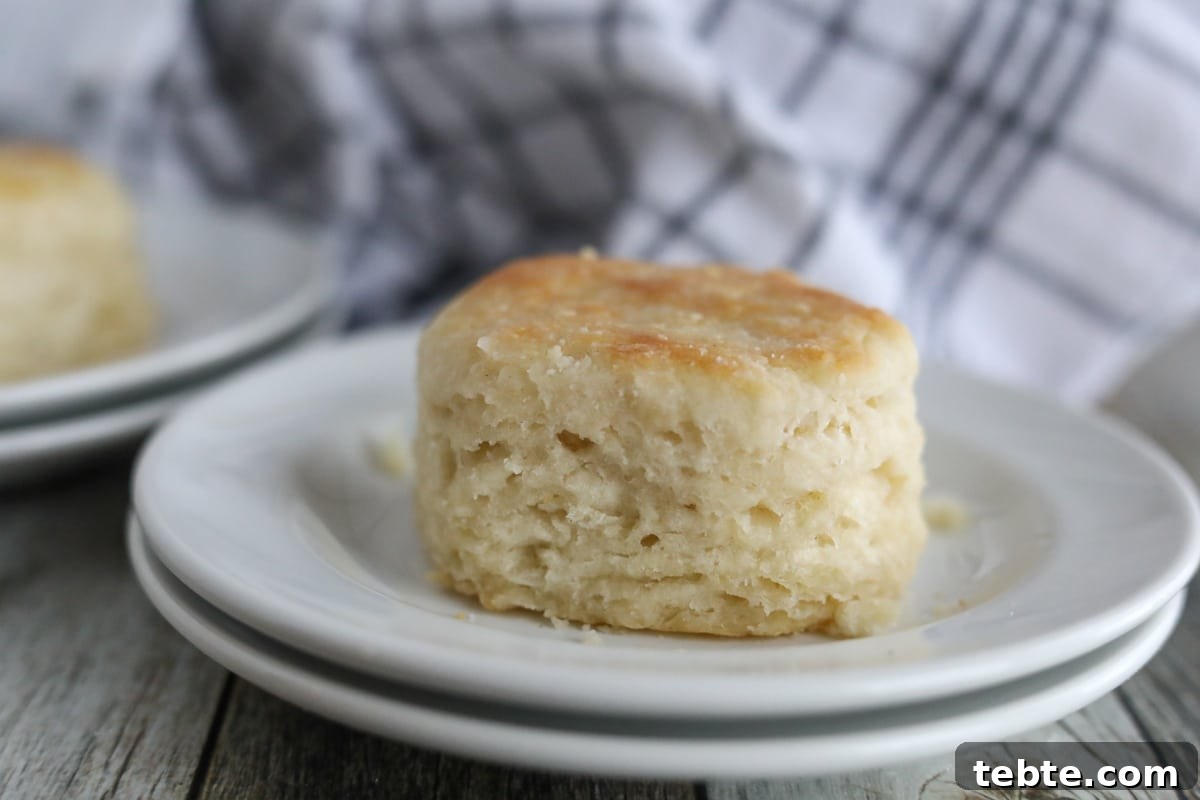
How to store biscuits made from scratch
Store biscuits in an airtight container at room temperature for 1–2 days. To keep them longer, refrigerate in an airtight container for up to a week. For longer storage, freeze in a freezer-safe container for 2–3 months. You can freeze unbaked biscuits or fully baked ones. If frozen unbaked, thaw before baking.
To rewarm baked biscuits, place them in the refrigerator overnight, brush with melted butter, and warm in a 350°F oven until heated through.
Commonly asked biscuit questions
What are biscuits?
In North America, biscuits are a soft, tall quick bread made without yeast. They rely on chemical leavening—baking powder or self-rising flour—to rise quickly in a hot oven. They’re similar to dinner rolls but denser and shaped differently.
Are there different methods to cut butter into flour?
- Food processor — pulse cold butter and flour until pea-sized crumbs form; watch carefully to avoid overmixing.
- Chop the butter — cut chilled butter into small cubes and use a fork to mix into the flour.
- Pastry cutter — combine small pieces of butter and flour with a pastry cutter until crumbly.
Grating frozen butter on the large holes of a grater is quick and minimizes handling, helping keep the butter cold.
Why are my biscuits crumbly?
If the butter pieces are too small, biscuits can be crumbly. Larger pea-sized bits of butter give a better texture. Crumbliness affects appearance more than flavor.
Why didn’t my biscuits rise correctly?
- Butter too warm — cold butter creates steam pockets that help biscuits rise.
- Oven not hot enough — biscuits need a hot, fast bake to rise well.
- Wrong flour — all-purpose flour needs added leavening; using the wrong flour can produce dense biscuits.
- Twisting the cutter — twisting seals the edges and prevents even rising.
Variations to this recipe
- Cheddar and chives — fold shredded cheddar and chopped chives into the dough for savory biscuits.
- Fresh herbs — add chopped rosemary, thyme, or chives and cracked black pepper for extra flavor.
- Honey — brush warm honey on top or fold a little into the dough for a touch of sweetness.
Buttermilk biscuits from scratch Recipe

Buttermilk Biscuits from Scratch
15 mins
Ingredients
- 2 sticks butter, frozen
- 5 cups self-rising flour
- 2 cups + 2 tbsp cold buttermilk
Topping
- 3 tbsp butter, melted
Instructions
- Preheat the oven to 475°F. Place the butter in the freezer so it becomes very cold.
- Grate the frozen butter on the large holes of a grater into a large bowl, then add the self-rising flour.
- Use a fork to cut the butter into the flour until pea-sized crumbs form. Chill the mixture for 10 minutes if needed.
- Create a well in the flour mixture and pour in the cold buttermilk.
- Stir until the dough is just combined — it should remain crumbly with visible bits of butter.
- Turn the dough onto a floured surface, pat into a rectangle about 1 inch thick, and fold over itself several times to create layers.
- Gently roll to about 1/2 inch thick, cut with a floured biscuit cutter without twisting, and re-roll scraps as needed.
- Brush the tops with half the melted butter and arrange the biscuits in a 12-inch cast-iron skillet (or baking pan) with the sides touching.
- Bake 15 minutes or until lightly golden. Brush with the remaining melted butter and serve warm.