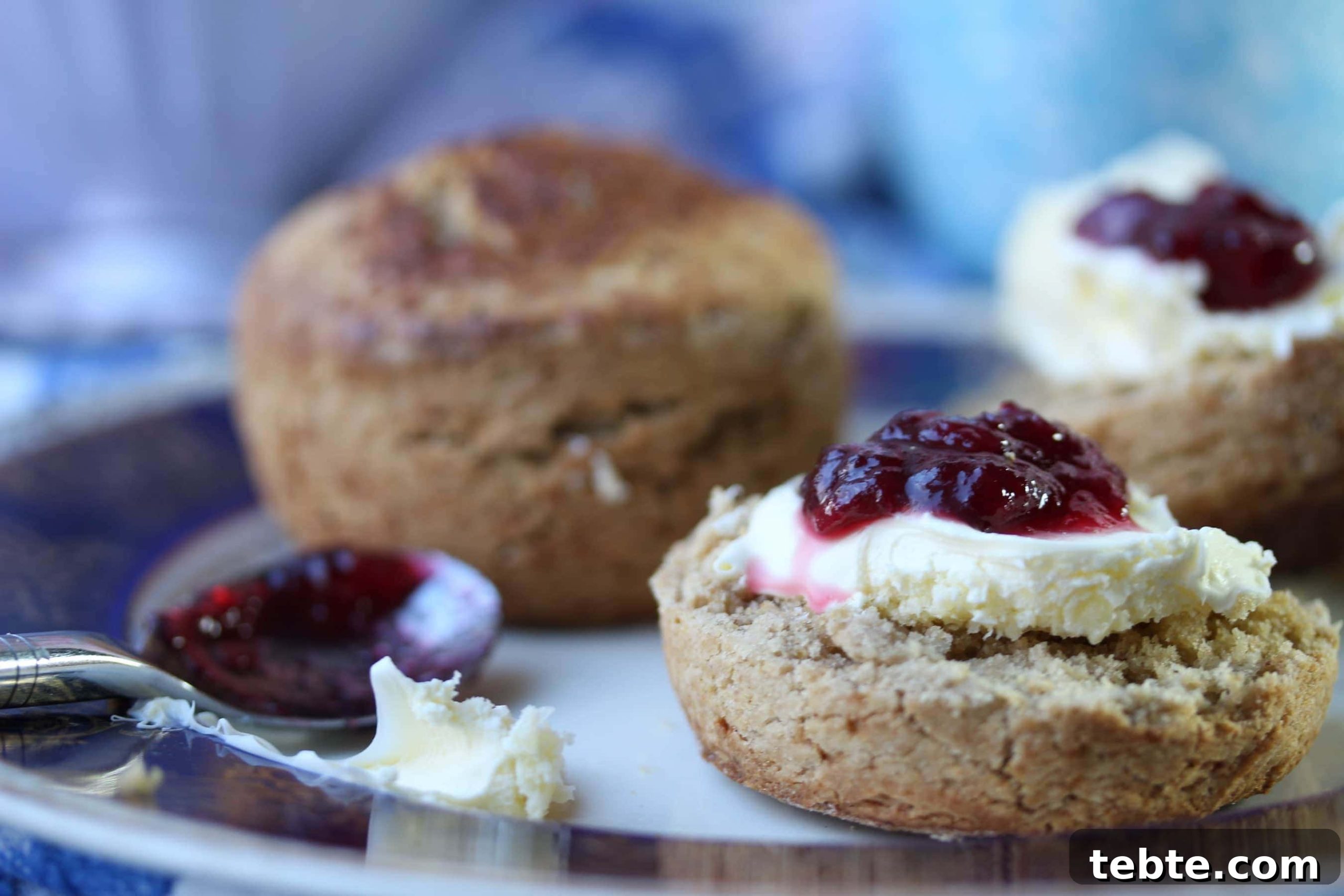
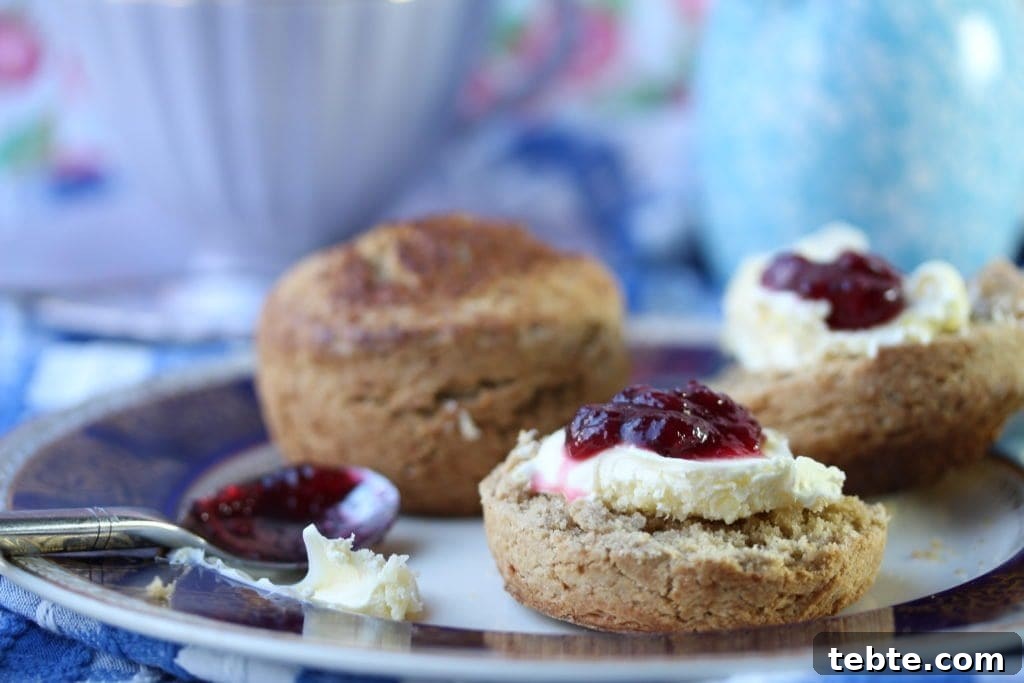
This gluten-free scone recipe never fails. Just look at their size!
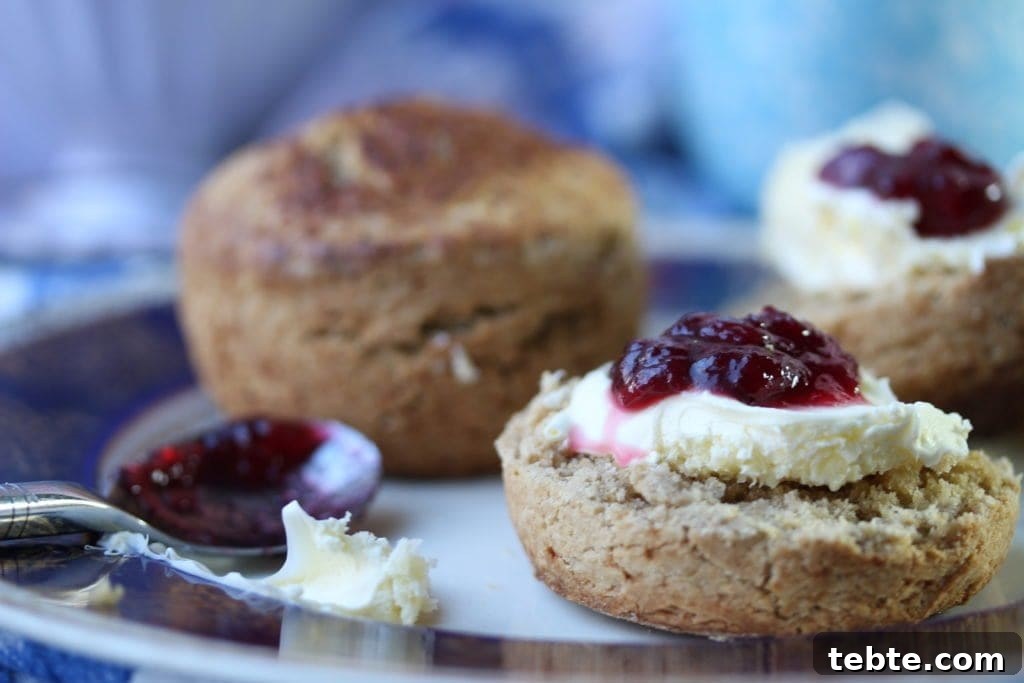
They look and taste like traditional scones — perfect with a dollop of clotted cream and jam.
This post contains Affiliate links. As an Amazon Associate I earn from qualifying purchases.
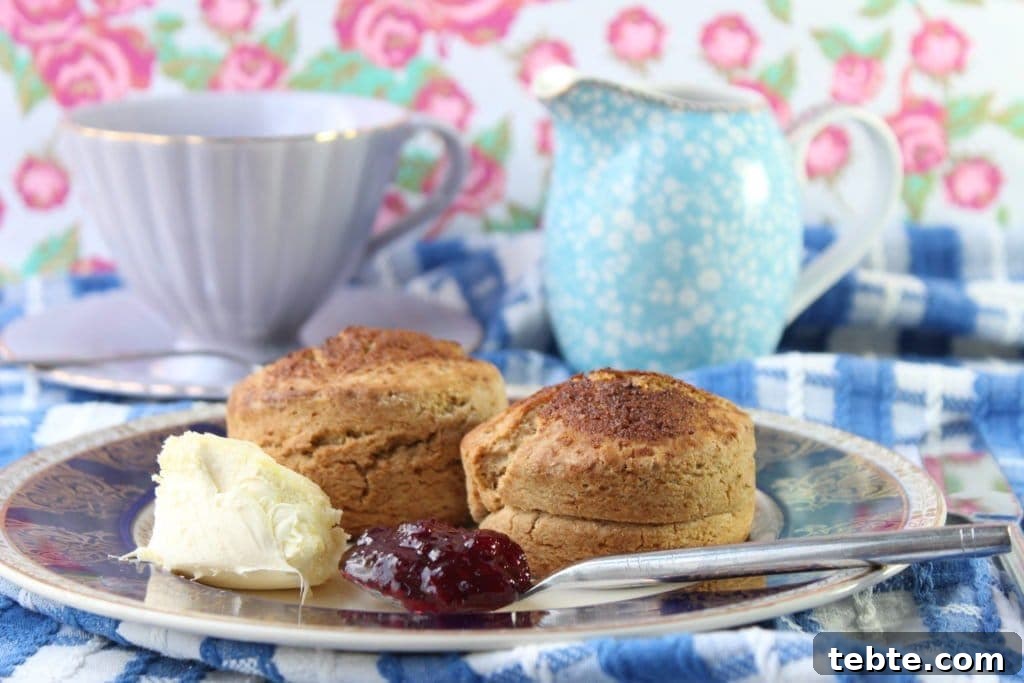
Today I’m sharing an excellent gluten-free scone recipe that consistently delivers light, tender scones. Gluten-free scones can be challenging — they often turn out dry, crumbly, or bland — but with the right flour and technique these come out beautifully.
A few years ago I created a successful gluten-free dairy-free scone recipe using a typical gluten-free blend. They were delicious, but I’ve since refined the recipe using my wholegrain gluten-free flour and the results are even better.
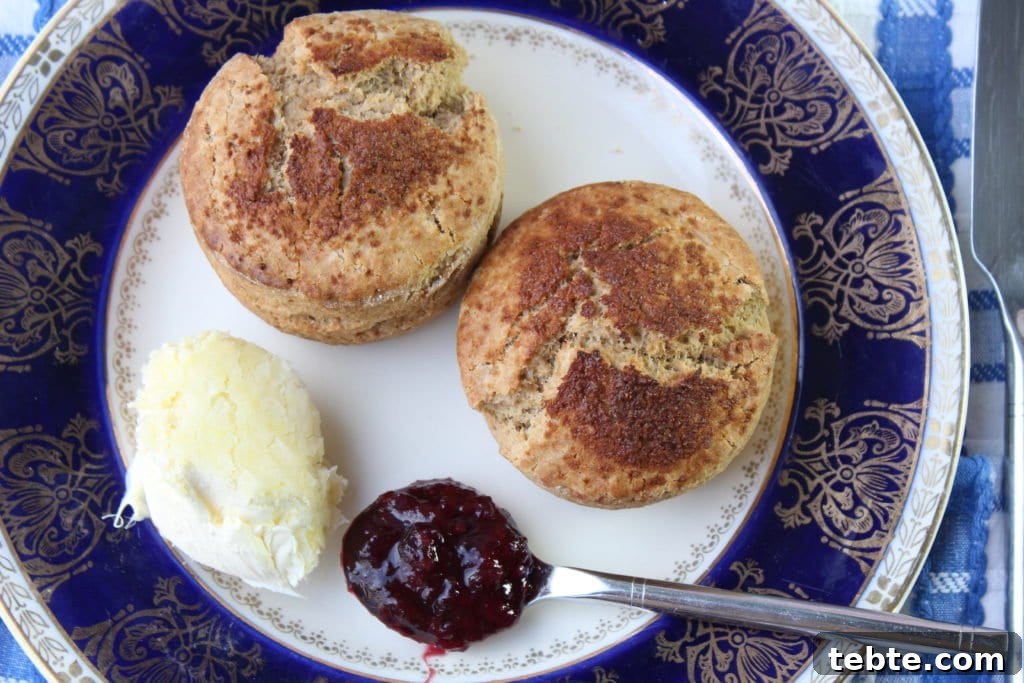
What’s the secret to making good gluten free scones?
The secret starts with the flour. Gluten-free flours vary widely; there isn’t a single flour that replaces wheat in every recipe. Blends made only from starches (rice, potato, tapioca) behave very differently from ones that include wholegrain flours (teff, sorghum, buckwheat).
To get scones that resemble traditional wheat ones, use a thoughtfully balanced gluten-free flour blend that mimics wheat flour’s texture and structure. My blend uses around 70% wholegrain flours with some starch for binding, and includes no gums or preservatives. It adds flavour, nutrients and works well across bakes without needing unusual additives.
Choosing a quality wholegrain blend is like choosing premium chocolate or sourdough over the cheapest alternatives; the taste and nutritional value are noticeably better.
If you want to learn more about how different gluten-free flour blends affect baking, look for resources that explain blend composition and why wholegrain ingredients matter.
How do you make gluten free scones?
Making these scones is straightforward. Combine the dry ingredients, add psyllium husk (or xanthan gum if preferred), then rub in cubed cold butter until the mixture resembles fine breadcrumbs. A food processor speeds this up, but a bowl and your hands work fine.
Stir in the yoghurt and milk until the dough just holds together. Tip the dough onto a floured surface, knead briefly to form a rough ball, then press or roll to about 2cm (this thickness helps compensate for the reduced rise in gluten-free scones).
Use a straight-edged circular cutter to stamp out scones, re-forming the scraps as needed. Brush the tops with milk, sprinkle a little sugar if you like, then bake on a preheated hot tray for roughly 15 minutes at 220°C (200°C fan) until golden.
Frequently asked questions about this gluten free scone recipe
Yes. This recipe was developed using a dedicated wholegrain gluten-free flour blend suitable for people with coeliac disease. The blend includes wholegrain flours to help boost fibre and naturally occurring nutrients.
You can, but results will vary. This recipe was created for a specific wholegrain blend; other blends (especially those made mainly from starches) may produce different texture and flavour. If you must use a different blend, follow any recommended adjustments from that flour’s guidance.
If you can’t buy the exact flour, choose a balanced gluten-free blend that contains wholegrain flours rather than only starches. Many online resources and cookery courses explain how to mix your own blend if necessary.
Yes. Xanthan gum can replace psyllium husk powder. Psyllium is preferred by some for its fibre and gut-friendly properties, but xanthan will help bind the dough in the same way.
Yes — add a handful of dried fruit (or finely chopped fresh/dried pieces). Make sure larger pieces are chopped small so they distribute evenly through the dough.
Chocolate chips, chopped nuts or seeds are great additions. Fold a small handful into the dough before cutting.
Cheese adds fat, which changes the balance of butter needed. For best results use a recipe specifically formulated for cheese scones.
No. A large mixing bowl, baking tray and cutters are sufficient. A food processor makes mixing quicker but is optional.
Some people find goat dairy easier to digest than cow dairy. If you prefer, use the butter you usually use—taste and digestibility vary by person.
Self-raising flour works well. If you only have plain flour available, add 2 tsp baking powder to the stated plain flour amount to get similar results.
They’re best eaten the day they’re made, ideally warm. Store leftovers in an airtight container and eat within a couple of days. Reheat in the microwave for 15–30 seconds to refresh.
Yes. Freeze once fully cooled. Defrost in a microwave or at room temperature and refresh in the oven for a few minutes if desired.
This particular version is not vegan, but there are vegan gluten-free scone recipes that use plant-based butter and dairy-free alternatives.
The recipe yields six small scones. Use a larger cutter for fewer, larger scones.
Yes — you can double or quadruple the quantities if you need more scones.
Serve traditionally with clotted cream and strawberry jam. If clotted cream isn’t available, use thick double cream or lightly whipped cream.
Other gluten free scone recipes
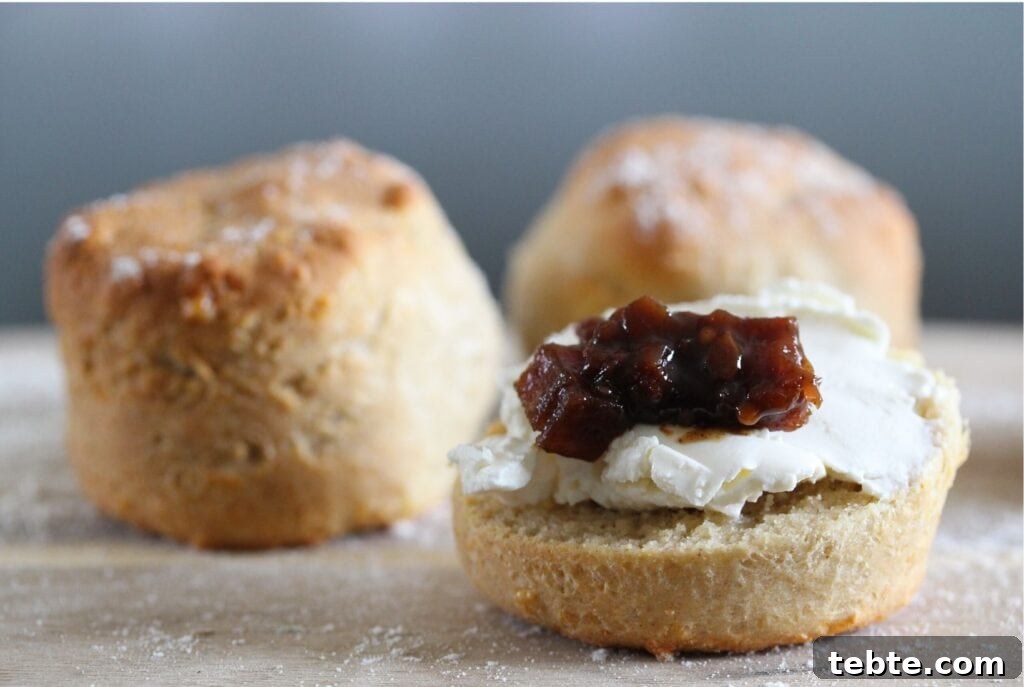
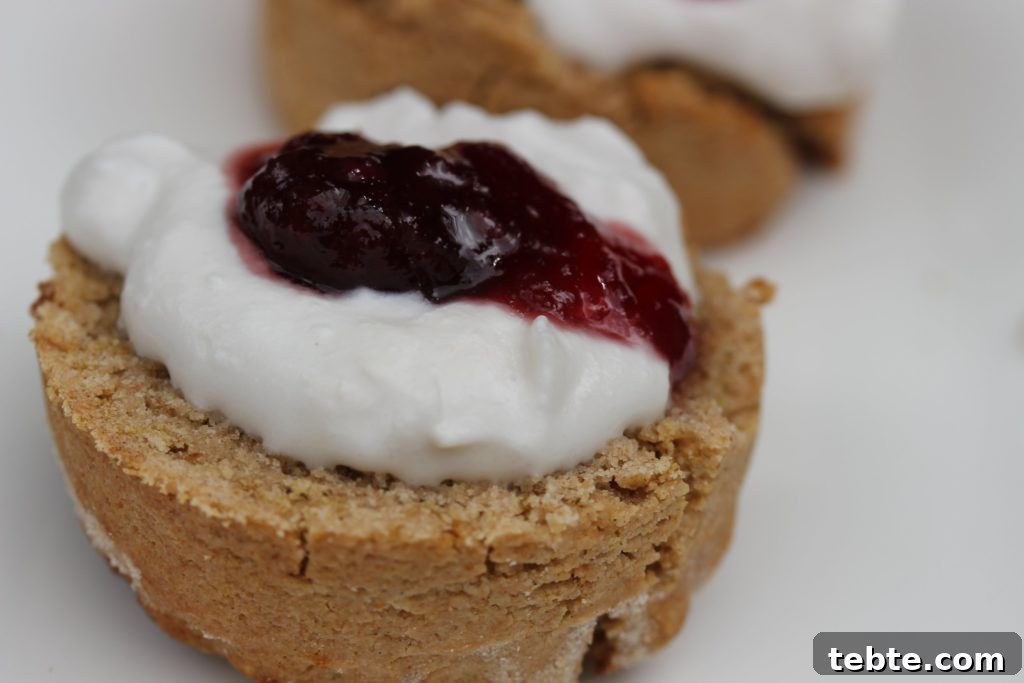
If you’d like variations, consider cheese scones, healthy vegan scones, dairy-free scones or savoury tomato and herb scones. Different recipes highlight how adaptable gluten-free scones can be.
-

Cheese Scones -
Vegan Scones
Free recipe book
If you’d like a free gluten-free recipe e-book, enter your details below to receive the e-book and a weekly newsletter with recipe ideas. You can unsubscribe at any time.
Pin my recipe so you don’t lose it…
The BEST Gluten Free Scone Recipe
Ingredients
- 230 g Free From Fairy self-raising flour — OR 230g FFF plain flour plus 2 tsp baking powder
- 1 tsp psyllium powder — or xanthan gum
- 20 g coconut sugar — plus extra for sprinkling if desired
- 75 g butter — cubed (goat’s butter optional)
- 70 g plain full fat yoghurt
- 70 g full fat milk — plus extra for brushing the tops
Instructions
- Preheat the oven to 220°C (200°C fan) / gas mark 6 and place a large baking tray inside to heat.
- Combine the dry ingredients in a food processor or large bowl until well mixed.
- Add the cubed butter and blend or rub in until the mixture resembles fine breadcrumbs.
- Stir in the yoghurt and milk to form a dough that just holds together.
- Turn the dough onto a floured surface, knead gently into a rough ball, then press out to about 2cm thickness.
- Cut scones using a floured straight-edged 7cm cutter. Re-form scraps and repeat to use all the dough.
- Brush the tops with milk and sprinkle a little sugar if you like.
- Carefully remove the hot tray from the oven and quickly place the scones on it.
- Bake for around 15 minutes until golden on top.
- Allow to cool for about 5 minutes (or fully) before splitting and serving.
- Eat on the day of baking or freeze once cooled and reheat when needed.