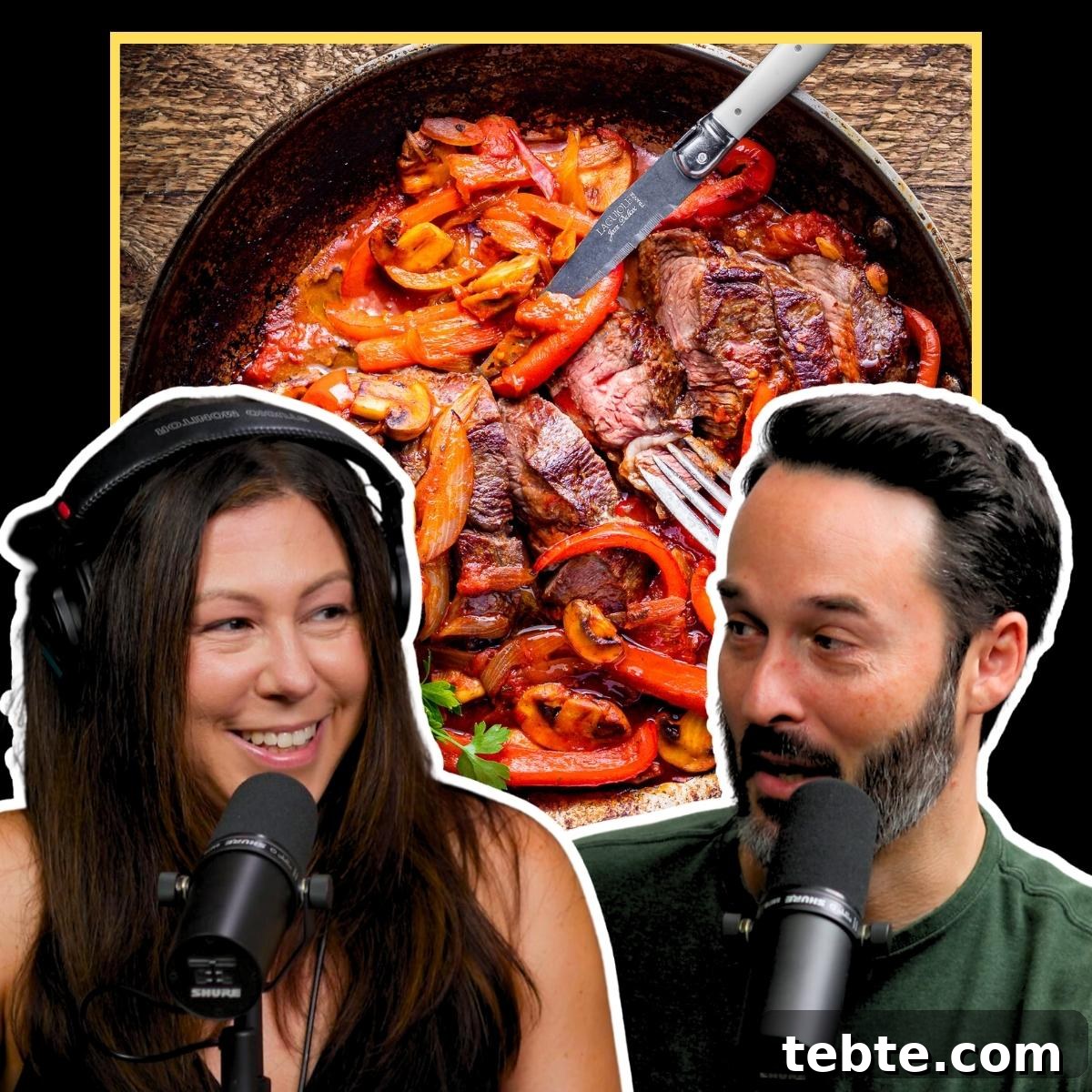
Podcast: Play in new window | Download (Duration: 54:33 — 76.2MB)
Subscribe or Follow Apple Podcasts | Spotify | Amazon Music | RSS | More
Steak Pizzaiola is a comforting, old-school Italian-American dish I grew up eating. It’s a great example of how humble ingredients—tougher cuts of beef braised in a tomato sauce with oregano and aromatics—can turn into something deeply satisfying and economical. While restaurants sometimes dress it up with premium steaks, the traditional, budget-friendly approach often yields richer flavor.
Watch on YouTube
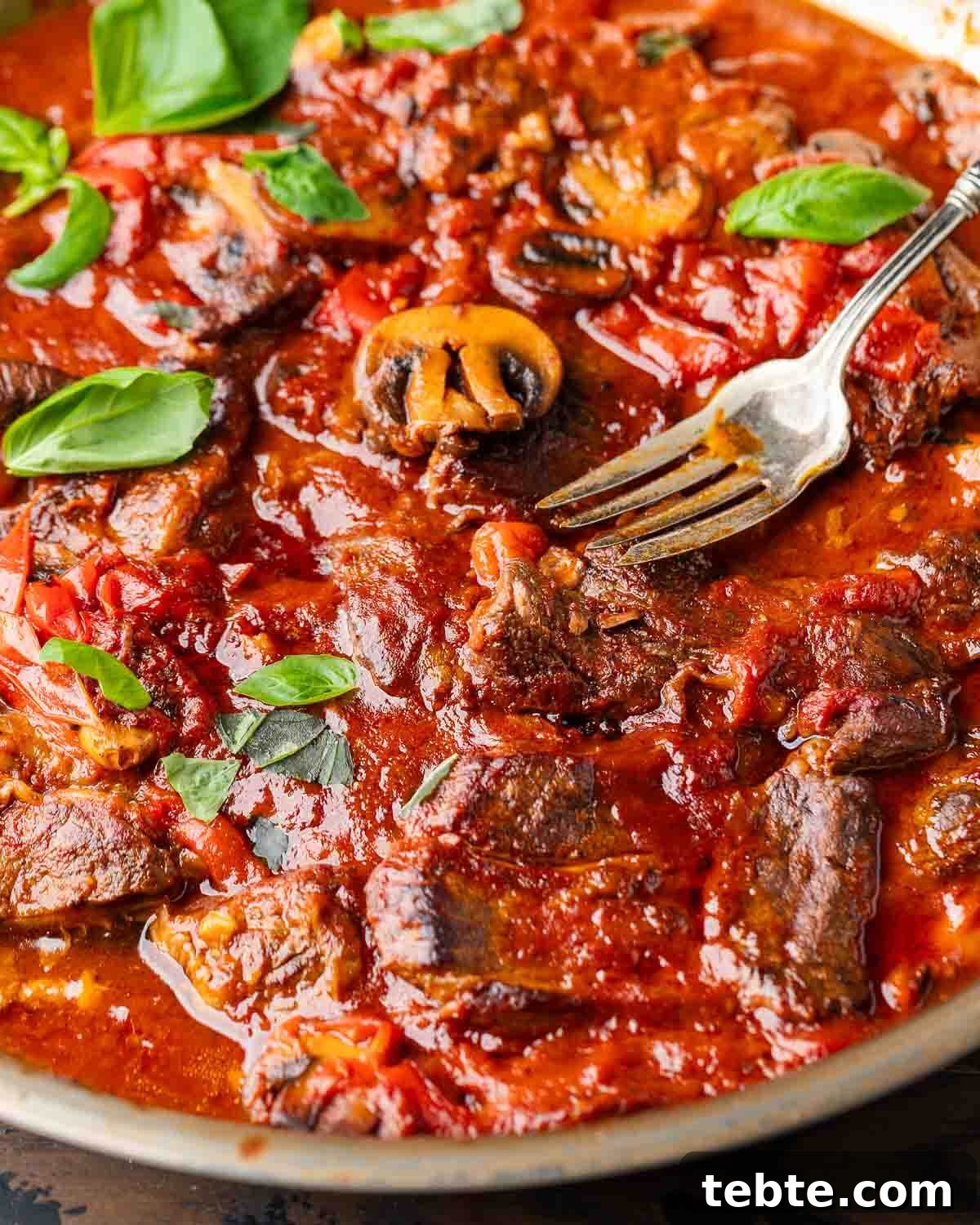
Steak Pizzaiola (carne alla pizzaiola) literally means steak cooked in a pizza-maker style—usually braised or simmered in a tomato sauce seasoned with oregano and garlic. Common variations include the addition of peppers, mushrooms, onions, and sometimes a splash of wine or a bit of beef stock. It’s versatile: you can make it as a quick weeknight meal with thin-cut steaks or as a slow-braised winter comfort dish using chuck or other braising cuts.
Resources
- Sip and Feast Steak Pizzaiola Recipe
- Sip and Feast Chicken Pizzaiola Recipe
- Sip and Feast Stuffed Mushrooms with Pizzaiola Sauce Recipe
- Memorie di Angelina – background on alla pizzaiola
If you enjoyed the Steak Pizzaiola episode, leave a comment and tell us how you make it. We welcome questions at [email protected] (please remove the extra digits when emailing). If you’d like to support the podcast, consider Patreon for bonus episodes. Thanks for listening.
For a full list of episodes, visit our podcast episode page.
Transcript
Intro
James: Welcome back to the Sip and Feast podcast. Today we’re talking steak pizzaiola: its flavors, origins, and the main ways people prepare it. If you grew up around New York or New Jersey, you likely know this dish—your mother or nonna probably made it. Elsewhere it can be unfamiliar, which is why we’re sharing it with you. It’s a hearty, tomato-forward dish often tied to Italian-American home cooking.
Tara: The dish has a fuzzy history with theories pointing to Naples or Sicily. One story says pizza makers would prepare it quickly while tending pizzas. Overall documentation is limited compared with other well-known Italian dishes.
What is steak pizzaiola?
James: The name comes from pizzaiola—literally “pizza maker.” The style is marked by tomato, oregano, garlic, and sometimes vegetables like peppers and mushrooms. Traditionally it used tougher cuts of beef cooked slowly in sauce, but restaurant versions often feature quick-cooked premium steaks.
Tara: The oregano with tomatoes is what gives the sauce that pizza-like profile. Vegetables are common additions, but simple versions exist too.
Personal experience with the dish
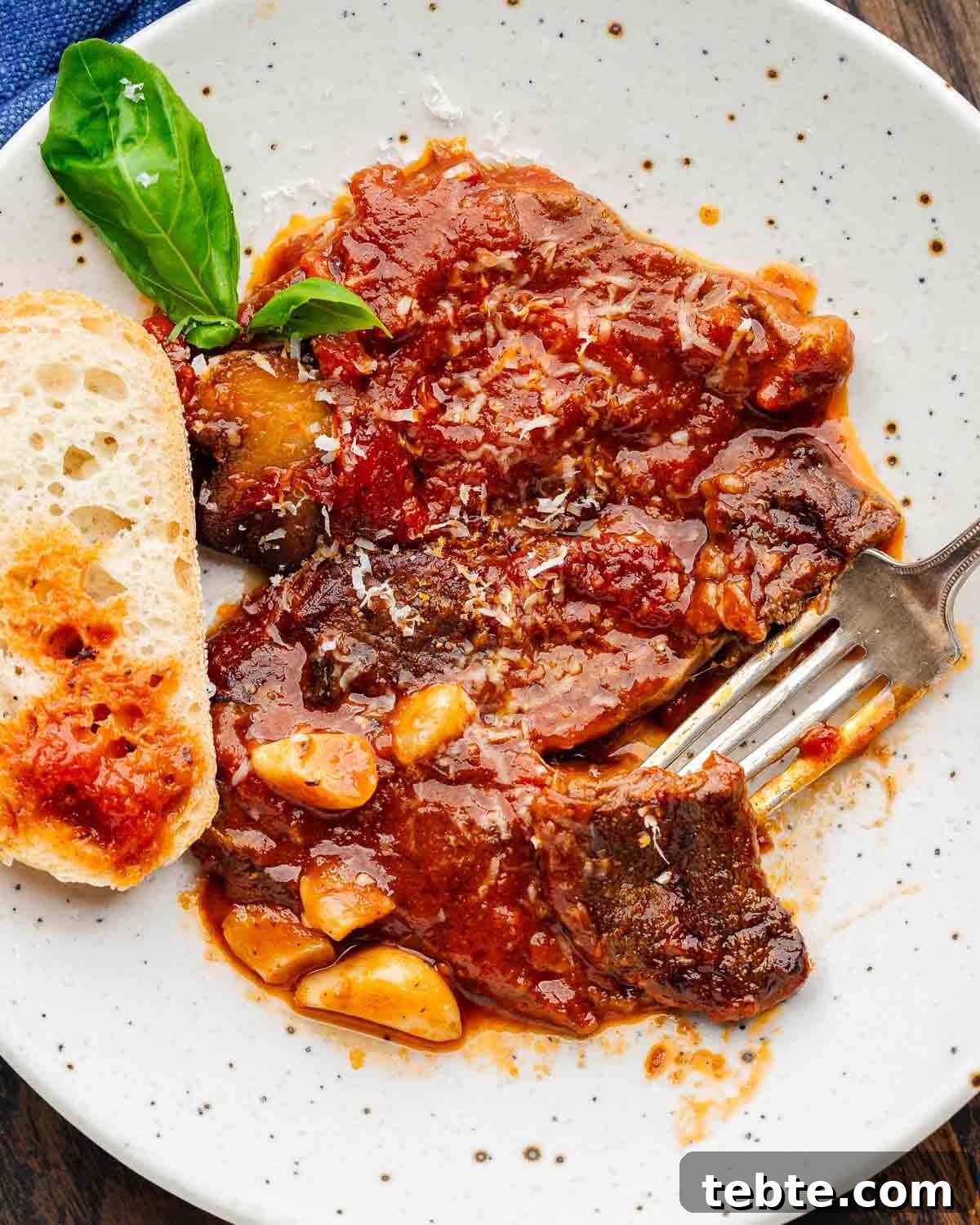
James: In my family we used bone-in chuck steaks sliced thin—almost bandsaw-cut—so the cooking time is much shorter than a full pot roast. My mother kept it simple: tomatoes, lots of garlic, and cheese at the end. We often served it with white rice. My grandmother also made similar versions.
Tara: I didn’t grow up with it, so my first memory is from a restaurant where it was served with a porterhouse for two—more of a restaurant presentation than a home-cooked version.
The different versions
Tara: There are generally quick and slow methods. Can you explain the distinctions?
James: Yes. The quick method uses very thin, lean cuts—top round, bottom round or steaks seared quickly, then tossed with a fast tomato sauce. The long method braises tougher cuts like chuck for hours so connective tissue breaks down and the sauce becomes richer and more “beefy.” Restaurants often use the quick method with higher-end steaks to serve a plated, immediate meal. Both are valid but yield very different results.
Tara: For people who don’t like a strong meat flavor, the quick method is lighter. The long braise concentrates beef flavor and changes the sauce’s character, turning it into a deeper, Sunday-sauce style finish.
The ingredients
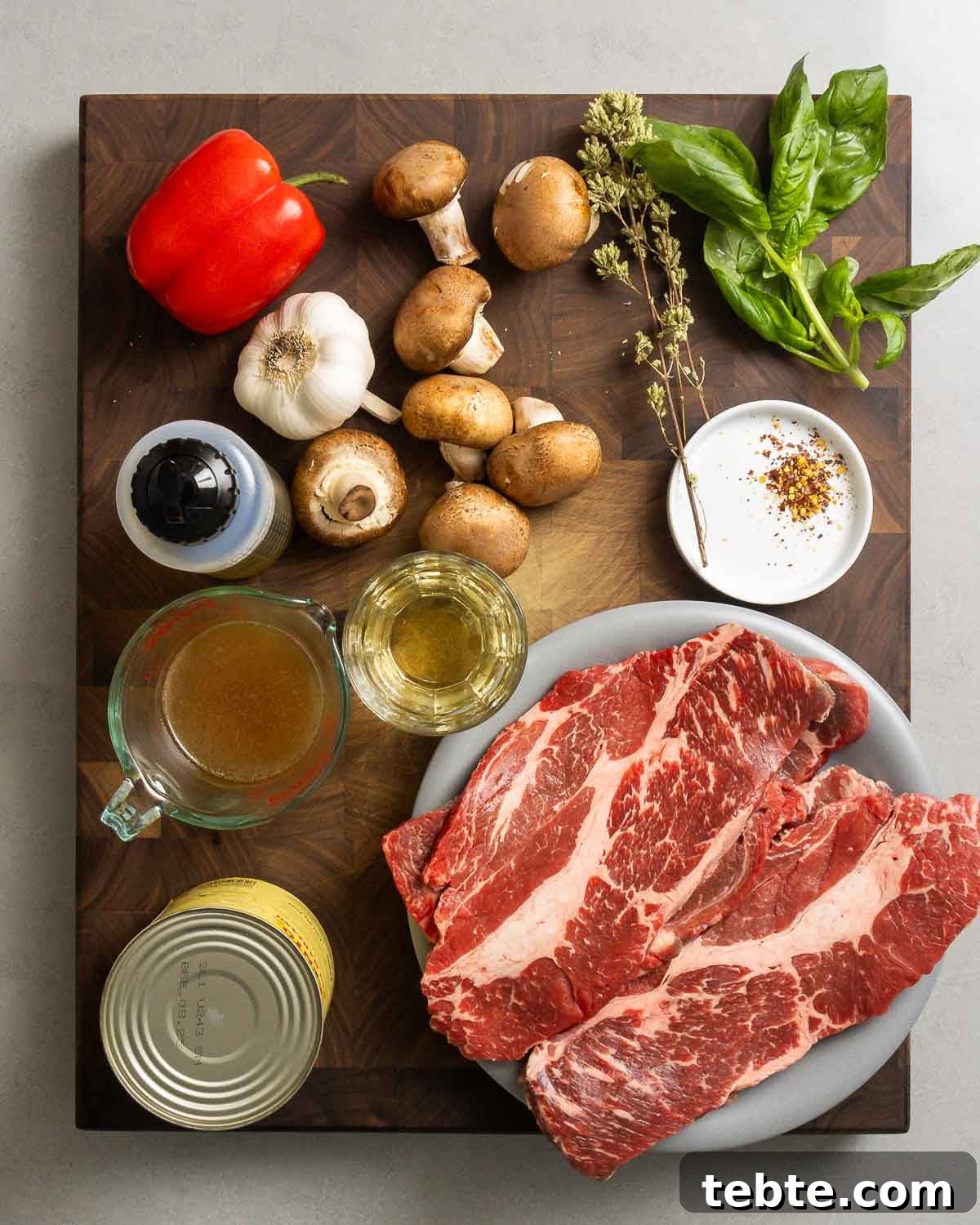
James: The core ingredients are tomatoes, oregano, garlic, olive oil, and beef (or other protein). Variations include peppers, mushrooms, onions, white or red wine, and beef stock. You can omit wine or mushrooms if needed. If you want more bulk without meat, add potatoes or serve over pasta—just increase the tomatoes if you’re feeding pasta alongside the meat. Use the best canned whole tomatoes you can find and break them up for a rustic texture.
Tara: Sicilian or Greek oregano (dried) gives the characteristic aroma and is preferable to generic dried oregano. Fresh oregano isn’t necessary here; dried Sicilian oregano has the right intensity. For wine, white is often used in cooking, but red wine like Pinot Noir also works if you prefer it.
The method
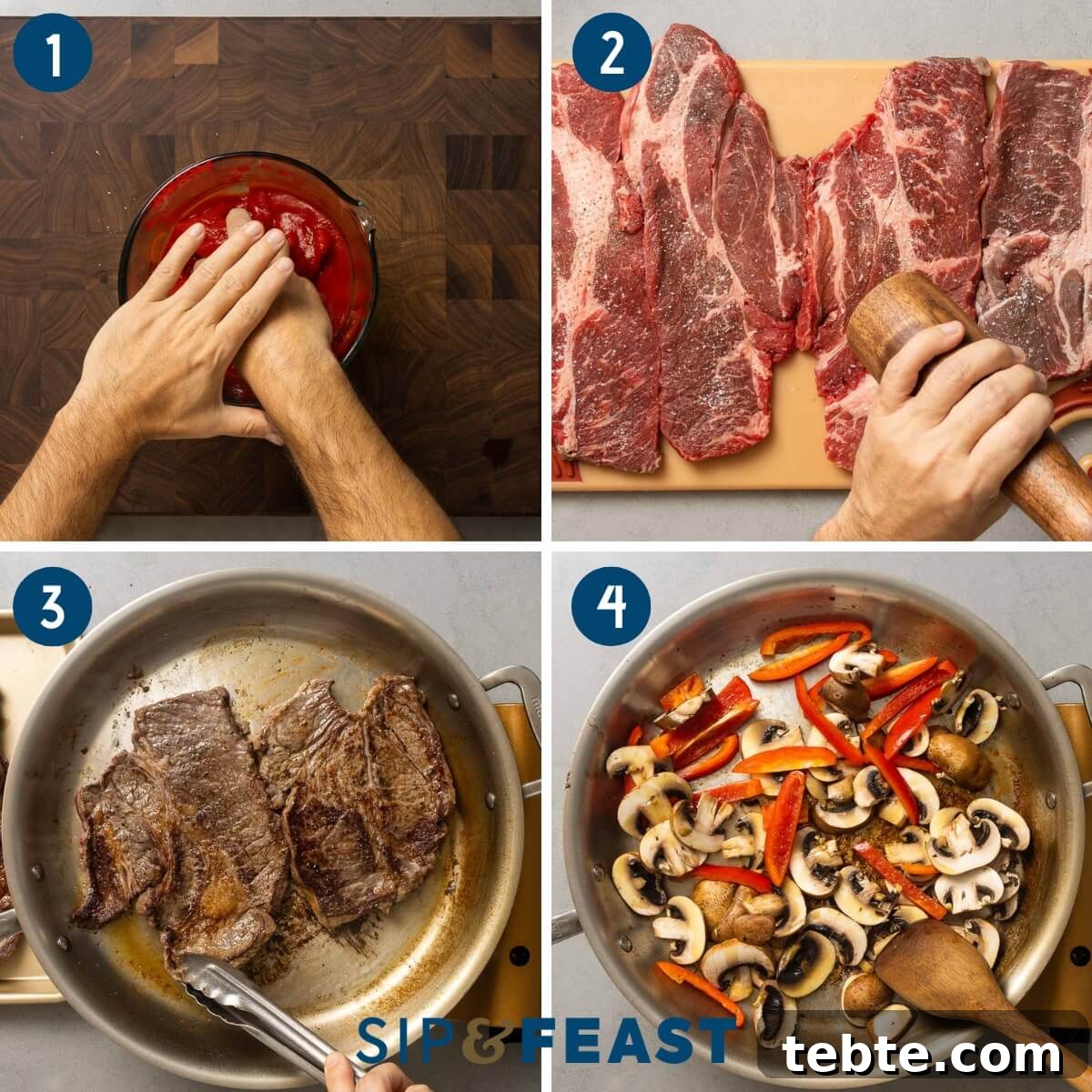
James: For the long method, sear the meat, build the sauce with tomatoes, wine and aromatics, then braise covered (on the stove or in a Dutch oven in the oven) until fork-tender—target around 200–205°F for connective tissue to break down. For the quick method, sear thin cuts briefly, make a quick sauce, return the steak to the pan for a minute and serve. Flank or skirt steaks can be sliced against the grain and flash-cooked for a fast weeknight version.
Ways to change it up
James: Common variations include using pork chops, chicken, or even vegetarian options like large roasted portobellos or stuffed mushrooms with pizzaiola sauce. Add-ins like capers, oil-cured olives, or cherry peppers will shift the flavor profile. Mushrooms and peppers are classic; cherry peppers add brightness without overpowering heat. Serve with cheese on top and fresh herbs at the end—basil or parsley are both good finishes.
Tara: The dish smells wonderful while it cooks and makes for a comforting family meal—especially in cooler months.
Question 1 – cheese rinds
James: A listener asked about using Parmesan rinds. We often add one rind to a single pot of soup or sauce for extra depth, then discard it after that use. You can portion a large Costco-sized rind into several smaller pieces so one block gives you multiple uses. Some shops even sell rinds; ask your cheesemonger if they have extra pieces.
Question 2 – dried spices
Tara: Another listener asked about dried herbs. James: Dried oregano, thyme, and rosemary are fine—some even improve when dried. Dried basil, however, loses its fresh character and develops an unpleasant, licorice-like flavor; avoid it in recipes meant to showcase fresh tomatoes. If fresh herbs are hard to find, freeze small portions of parsley or basil in oil or finely chop and freeze in small packets to keep flavor on hand.
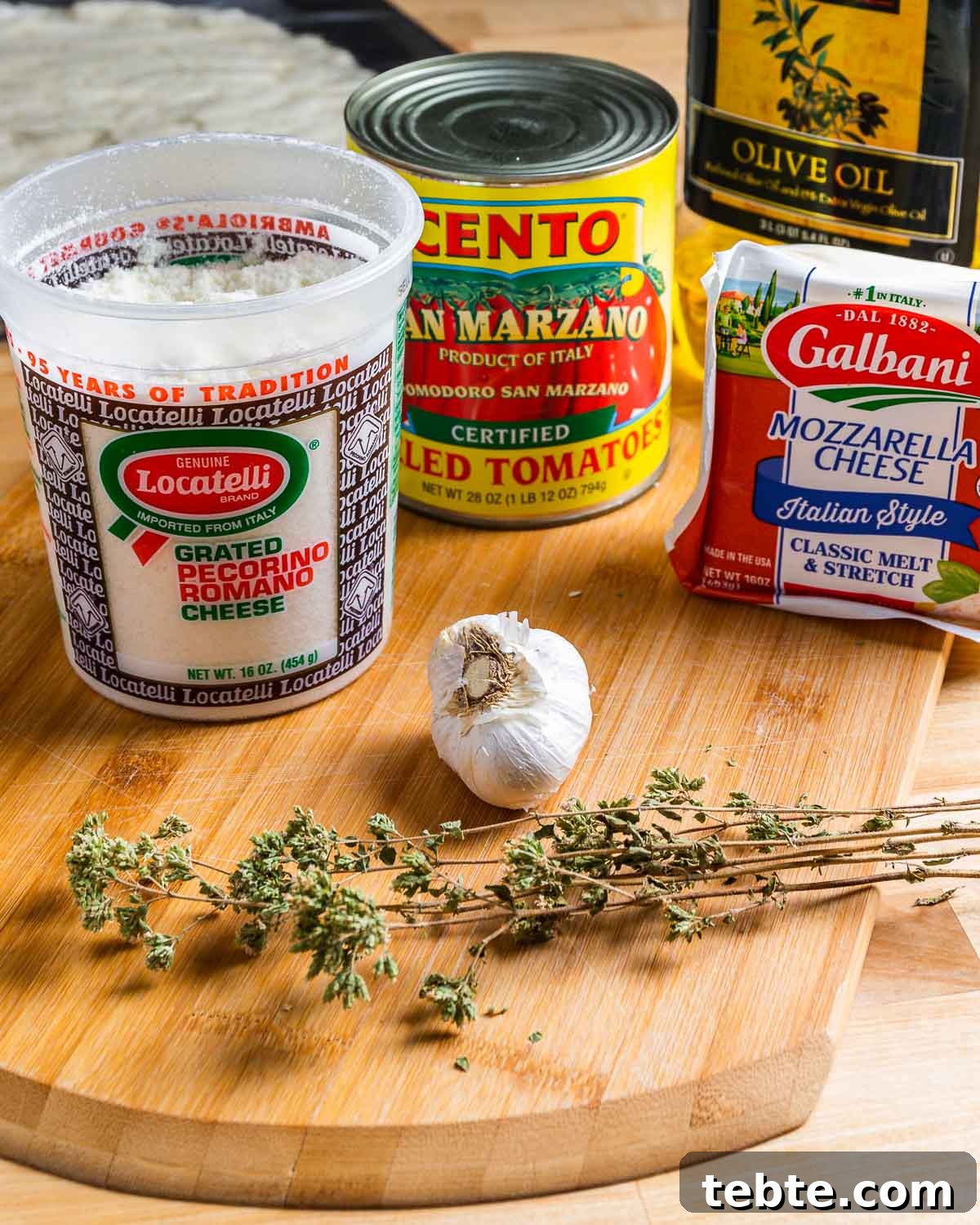
Dried Sicilian oregano works particularly well in many tomato-forward recipes, offering that classic pizzeria aroma.
Question 3 – cookbooks and rainbow cookies
Tara: A listener asked about go-to cookbooks and a rainbow cookie recipe. James: We often consult knowledgeable resources for history and context—sites like Memorie di Angelina are excellent for traditional background. For cookbooks, authors such as Harold McGee are great for the science of cooking; Marcella Hazan is a classic reference for Italian techniques. As for rainbow cookies, we don’t have a published recipe yet but plan to test one; it’s time-consuming but something we’d like to share in the future.
James: Thanks for listening. Send questions to [email protected]. We’ll be back next week.