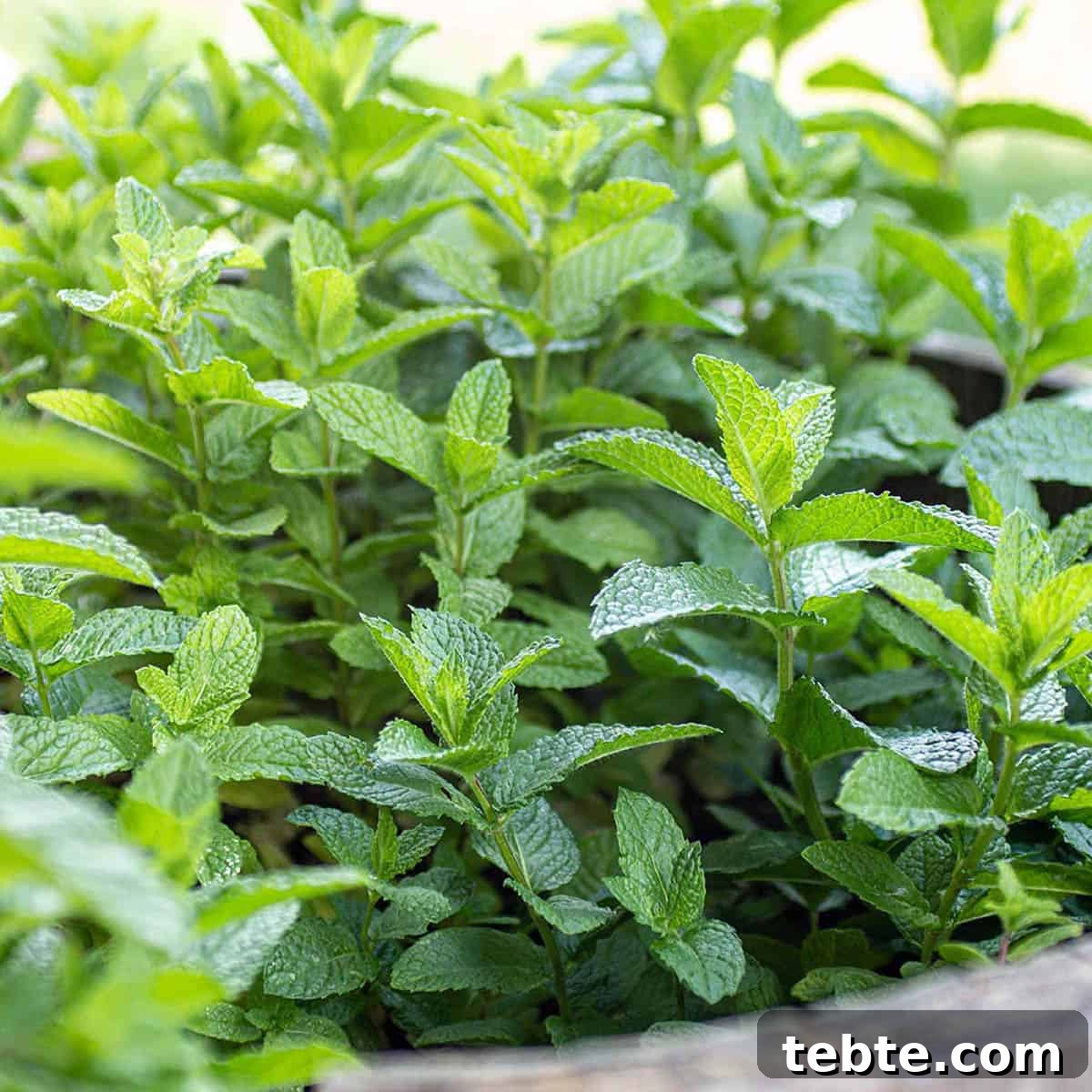
Growing mint in your home garden is simple and rewarding. With a few basic tips you can enjoy an abundant supply of fresh mint all summer long.
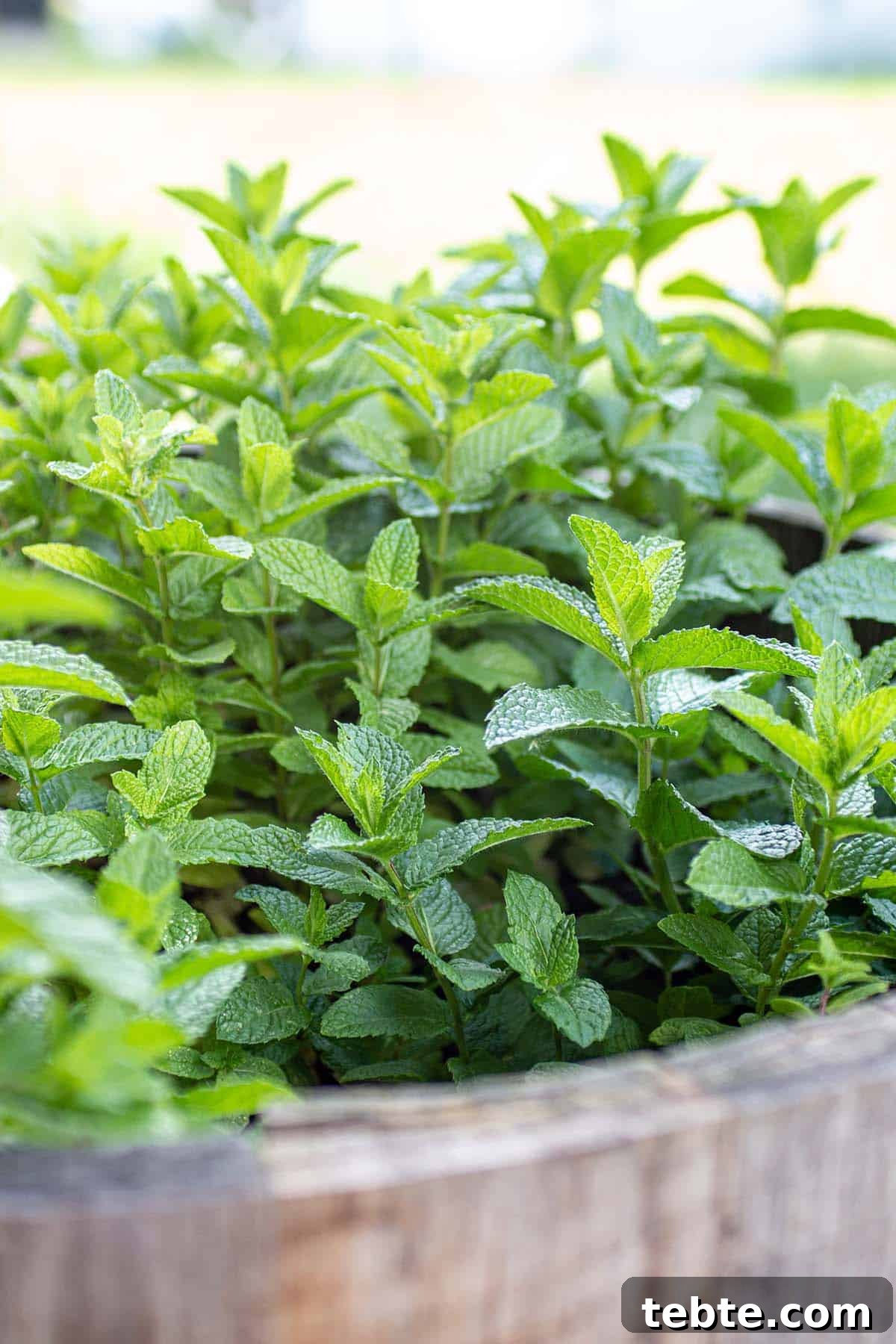
Mint is an excellent choice for beginner and experienced gardeners alike. It adds bright, aromatic flavor to drinks, salads and desserts, and it’s easy to grow on a patio, balcony or in a backyard herb bed.
A single mint plant will often return each year, becoming fuller and more vigorous with proper care. Fresh mint pairs wonderfully with summer beverages like mint lemonade and watermelon limeade, and it brightens salads, sauces and frozen treats. Dried or frozen mint can also extend your harvest through the winter months.
Types of Mint
Mint is a perennial: the above-ground growth will die back in fall and winter, while the roots survive and send up new shoots in spring. Different varieties offer distinct flavors, so growing a few types gives you options for cooking and beverages.
- Peppermint
- Mojito
- Spearmint
- Watermint
- Apple mint
- Chocolate mint
Cooking with Mint
Fresh mint leaves add a clean, refreshing note to many recipes. Use them in lemonades, fruit salads, sauces, syrups and ice creams, or steep them to make mint tea. I often catch kids nibbling leaves straight from the pot—mint is that inviting.

Common recipe uses include:
- Fresh mint lemonade
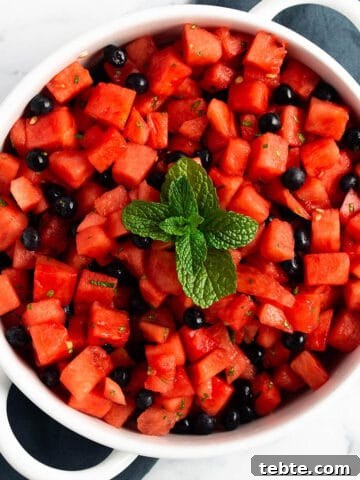
- Watermelon fruit salad
- Watermelon limeade
- Mint tea
- Infused mint water
- Mint simple syrup for cocktails and drinks
Is Mint a Perennial or Annual?
Mint is a hardy perennial in most regions. It will die back to the ground during cold months but the root system survives and sends up new growth in spring. In many gardens mint is one of the earliest herbs to reappear each year.
Tips for Growing Mint
Mint is low-maintenance, but a few key practices will keep plants healthy and productive season after season.
1. Plant in Pots
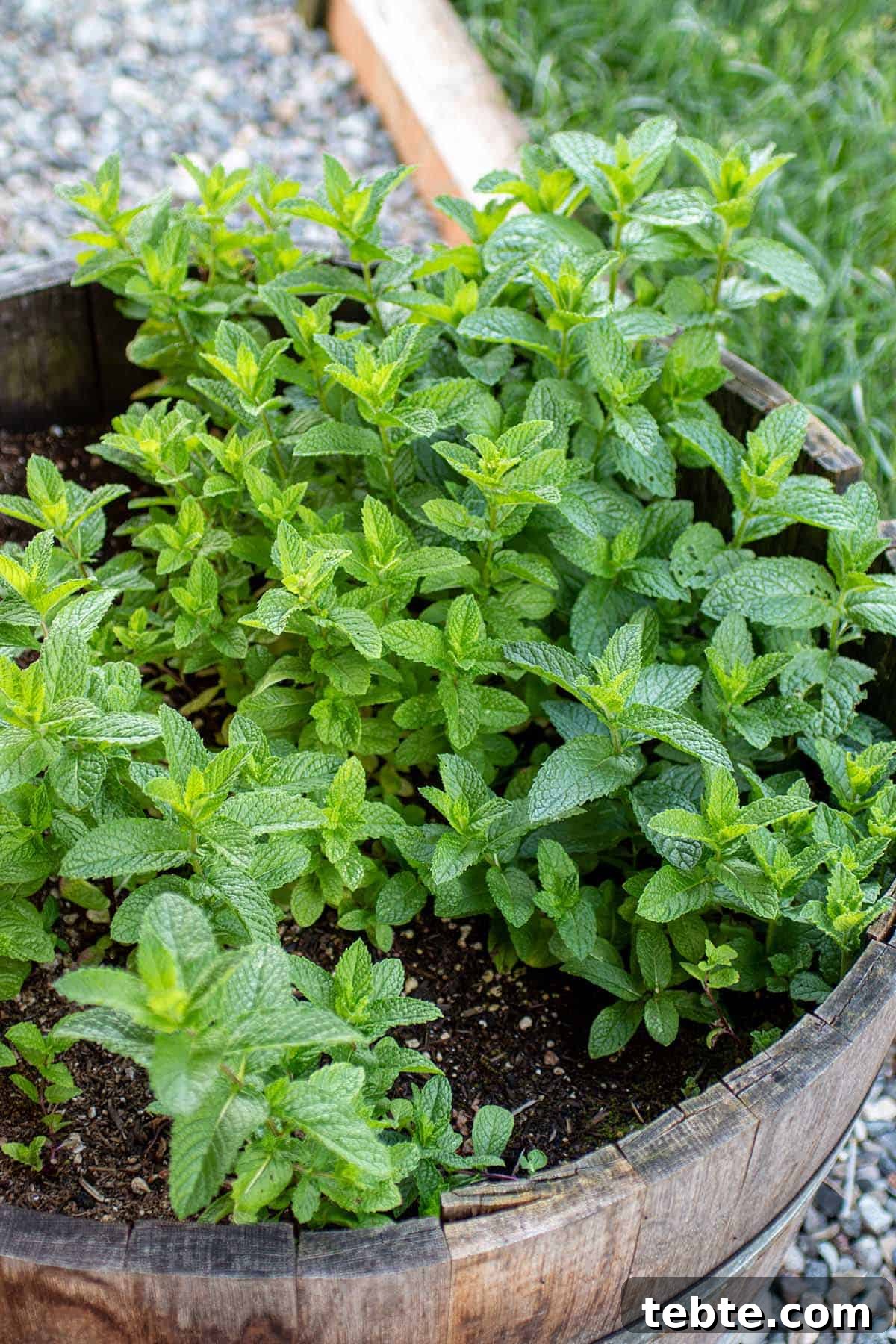
Mint spreads aggressively by its roots, so growing it in pots or containers is the most effective way to keep it contained. Choose containers with drainage holes and fill them with fertile potting soil mixed with organic matter. A larger pot gives the plant room to spread and reduces the need for frequent transplanting.
2. Avoid Planting Directly in the Ground
While mint can be used as a ground cover, it often becomes invasive and difficult to remove once established. To prevent years of weeding and root removal, keep mint confined to pots or raised beds with root barriers.
3. Use Fertile Soil
Provide nutrient-rich soil amended with compost or well-rotted organic matter. Healthy soil supports vigorous root systems and abundant leaf growth.
4. Give It Sunlight
Mint thrives in full sun but tolerates partial shade. Aim for at least six hours of direct sunlight daily. In hot climates, some afternoon shade helps prevent leaf wilting during the hottest part of the day.
5. Start in Early Spring
Plant new mint after the last frost. If you start plants indoors or from cuttings, wait until temperatures are consistently warm before moving pots outdoors.
6. Water Properly
Mint prefers evenly moist soil but not standing water. Water when the top inch of soil begins to dry; ensure good drainage to avoid root rot. The soil should feel damp, not waterlogged.
7. Propagate from Stem Cuttings
Mint is easiest to propagate from cuttings rather than seed. Cut healthy stems and place them in a glass of water until roots develop, changing the water every few days. In about two weeks you’ll often see several inches of roots—then pot up the new plants.
8. Harvest Often
Regular harvesting encourages bushier, more productive plants. Never remove more than one-third of the plant at a time to avoid stressing it. Frequent pinching or cutting stimulates new growth and keeps plants compact.
How to Harvest Mint – 3 Ways
Wait until plants reach about 4 inches tall before harvesting. Here are three simple methods:
#1: Just the Leaves: Pinch individual leaves from the stem, choosing leaves from the first or second set for the best flavor.
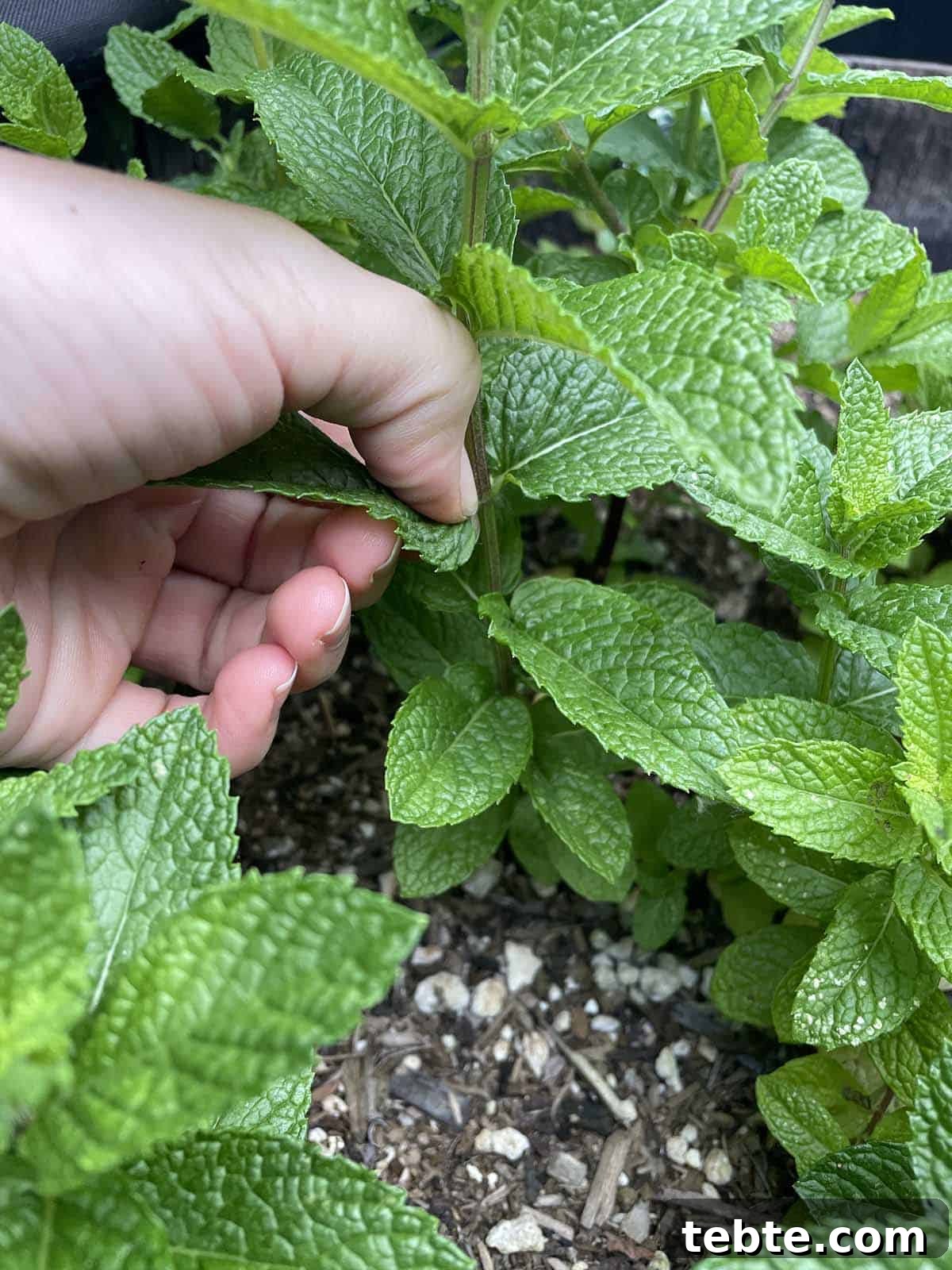
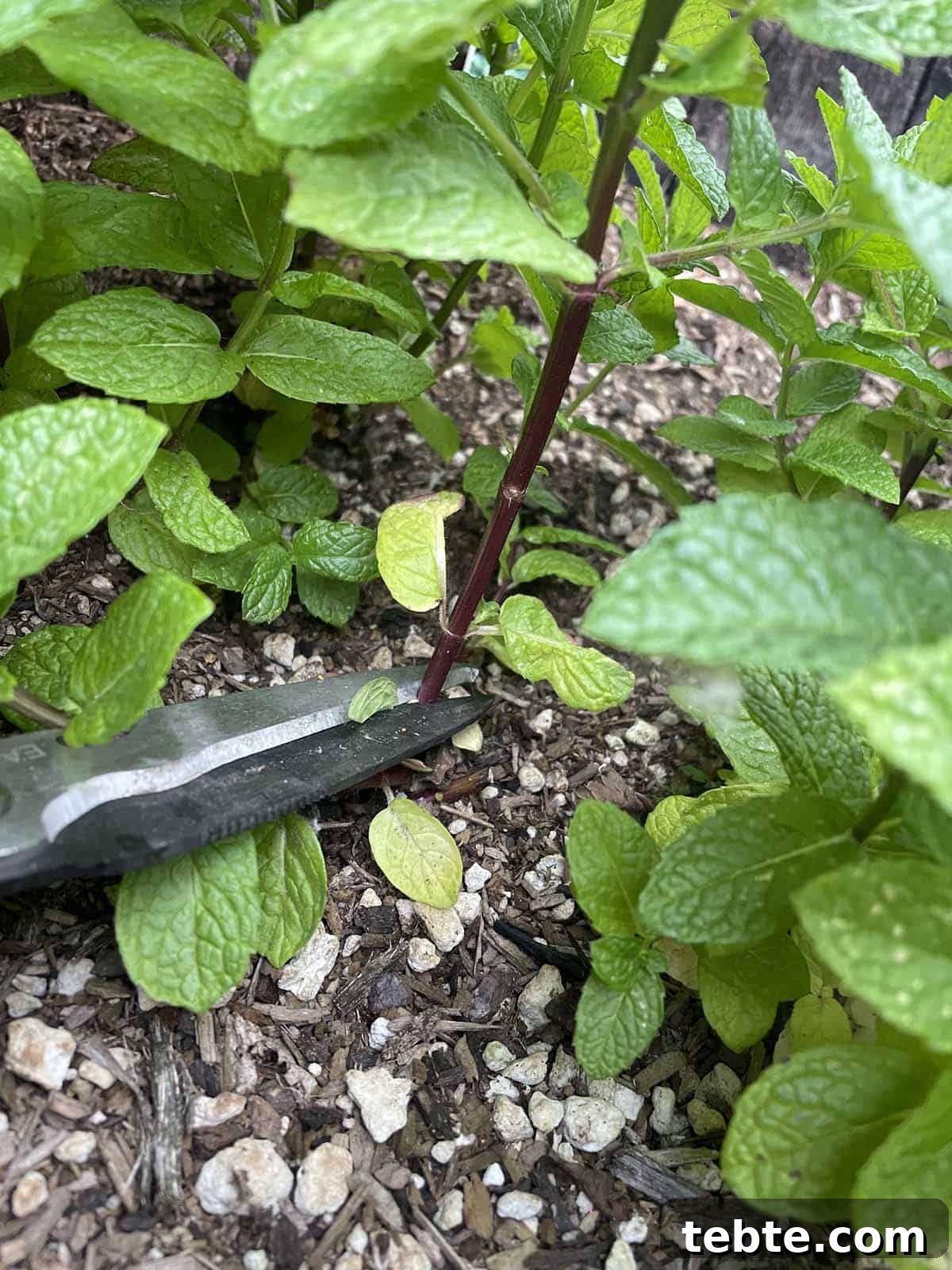
#2: Cut the Stalk at the Base: Harvest whole stalks by cutting the tallest stems at the soil line. This encourages rapid new growth from the crown.
#3: Cut Halfway Up the Stalk: For a bushier habit, cut stems about halfway up—just above the third or fourth set of leaves. New shoots will emerge from the cut node and create a fuller plant.
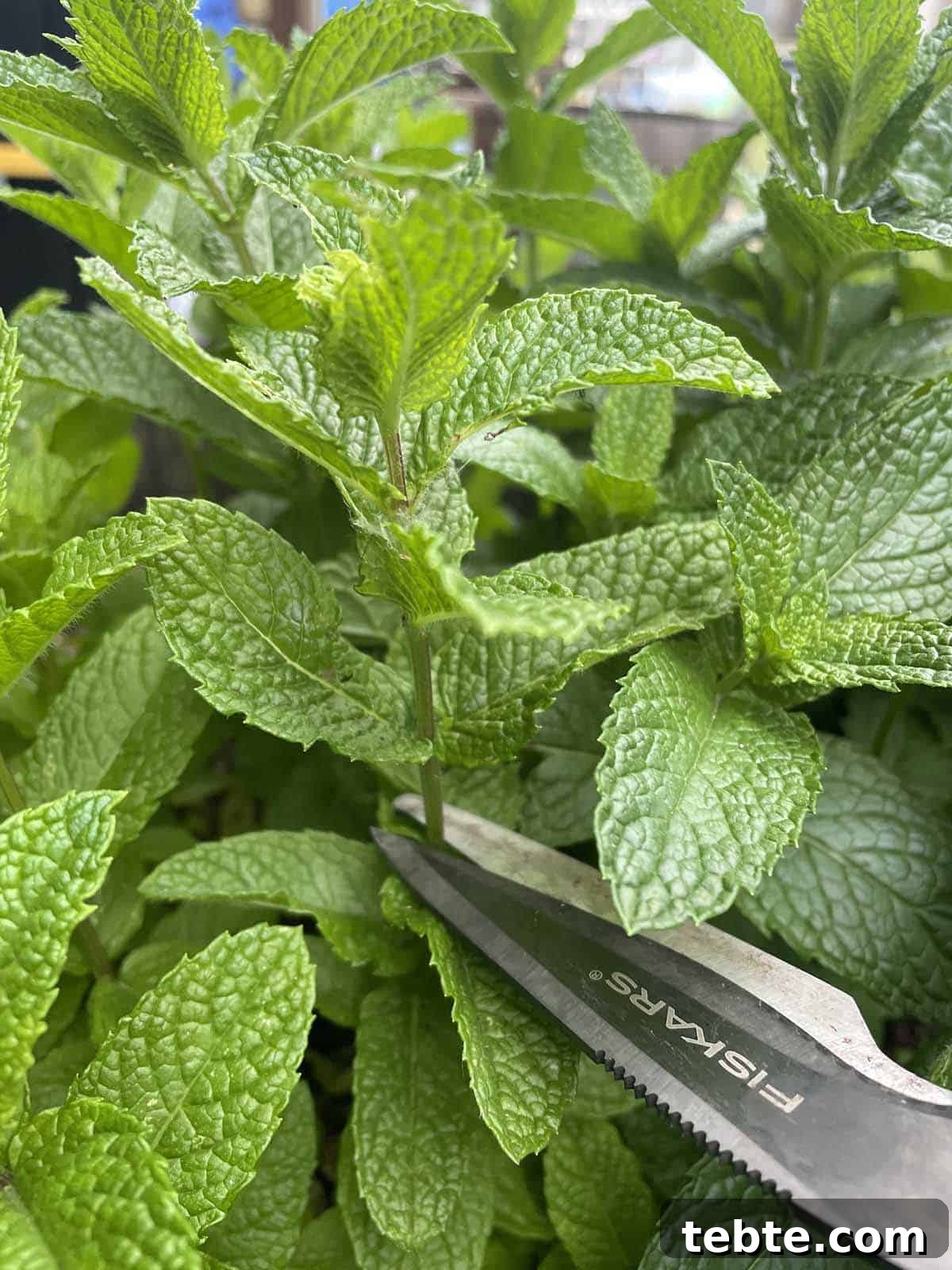
Cutting back in this way encourages branching and denser foliage.
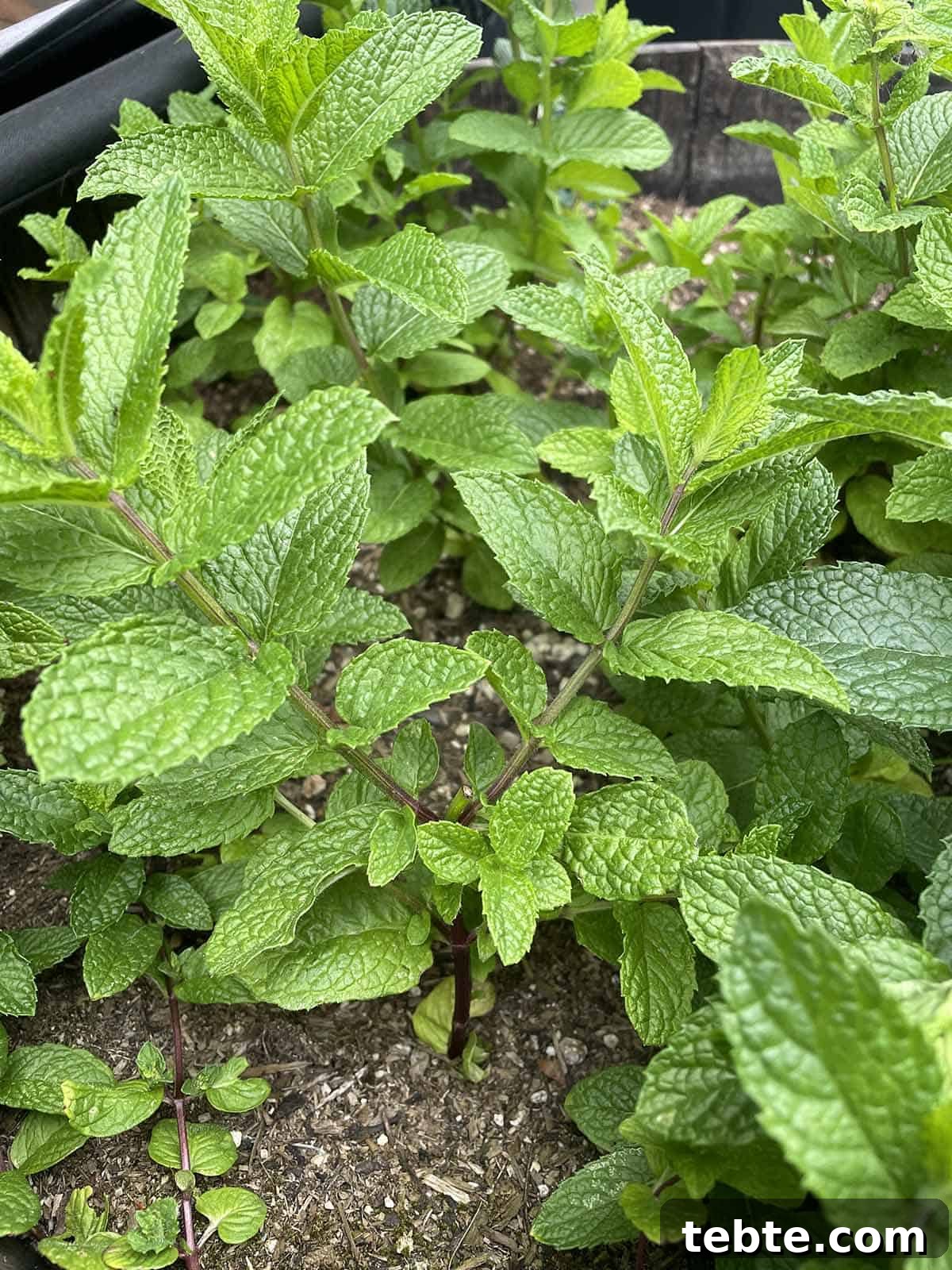
New shoots often form a Y-shaped split where the stem was trimmed, producing more harvestable material.
For peak flavor, harvest just before the plant flowers, when essential oils are most concentrated. In fall, cut mint down to the soil and mulch the crown to protect roots over winter—new shoots will reappear in spring.
Storing Fresh Mint
Rinse mint and gently shake off excess water before storing. Place cleaned stems in a glass jar with about an inch of water covering the bottom of the stems and store in the refrigerator, changing the water every couple of days to maintain freshness.
Alternatively, wrap mint in a damp paper towel and seal it in a resealable bag, replacing the towel as needed to keep the leaves crisp.
Was this helpful? If you found this guide useful, please leave a comment below—feedback is appreciated.
*Connect with gardening communities and follow along for inspiration and seasonal tips.
Recipes That Use Fresh Mint:
-
Mint Lemonade
-
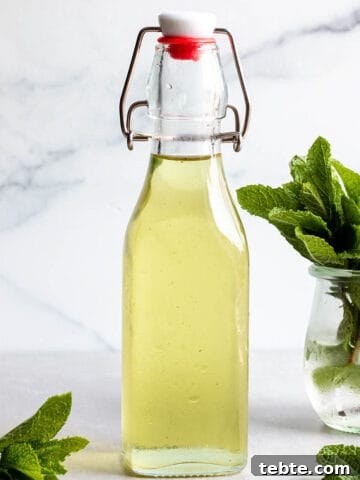
Mint Simple Syrup
-
Watermelon Fruit Salad
-
Watermelon Limeade


Other Herb Garden Resources:
-
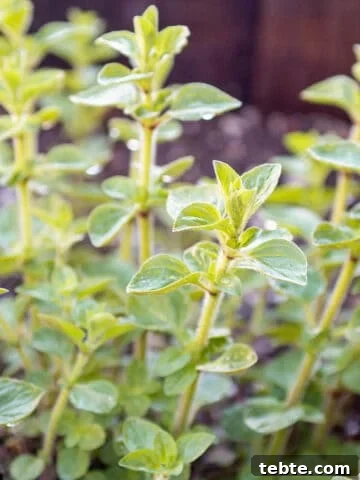
How to Grow and Harvest Oregano
-
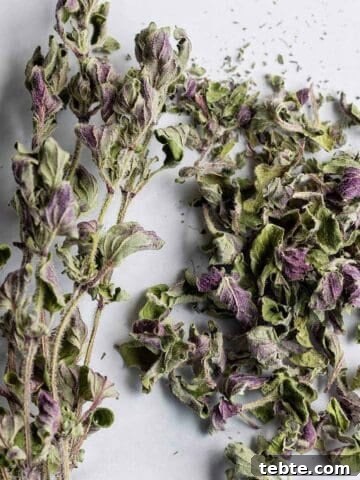
How to Dry Fresh Oregano – 3 Easy Ways
-
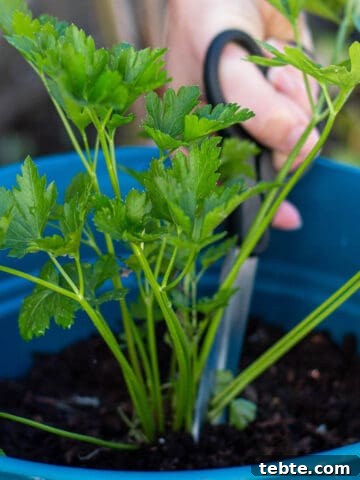
How to Cut and Harvest Parsley From the Plant
-
How to Store Parsley and Keep it Fresh
See more Gardening Resources →