How long does my child need a booster seat?
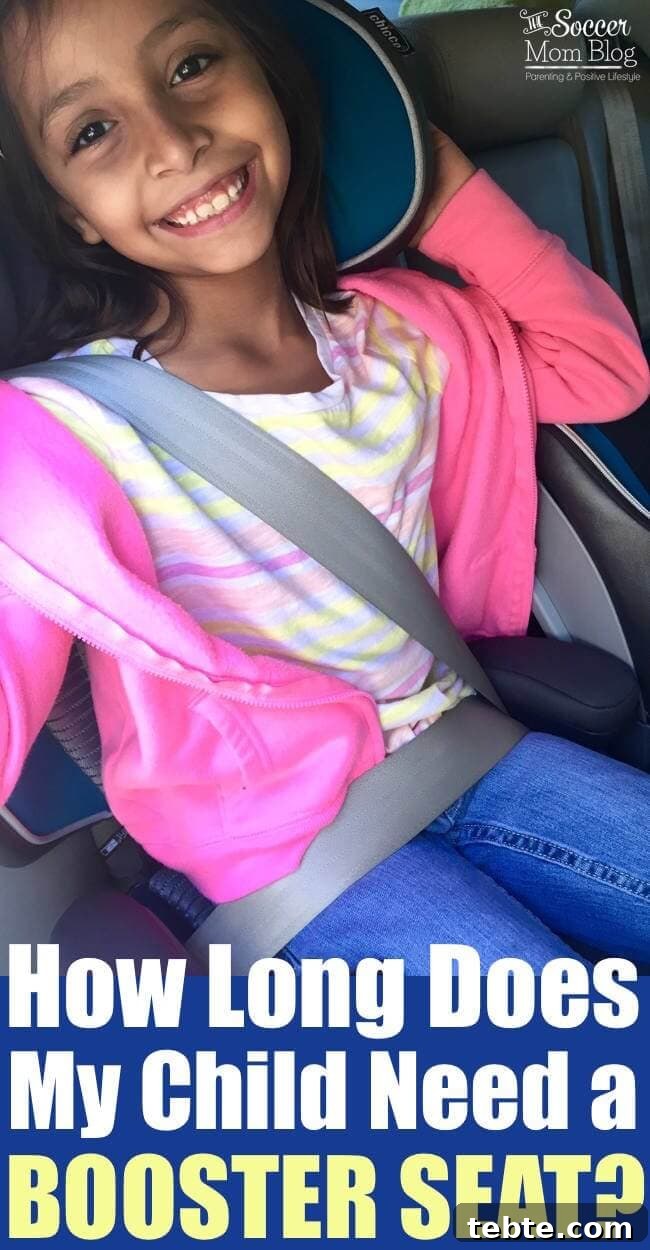
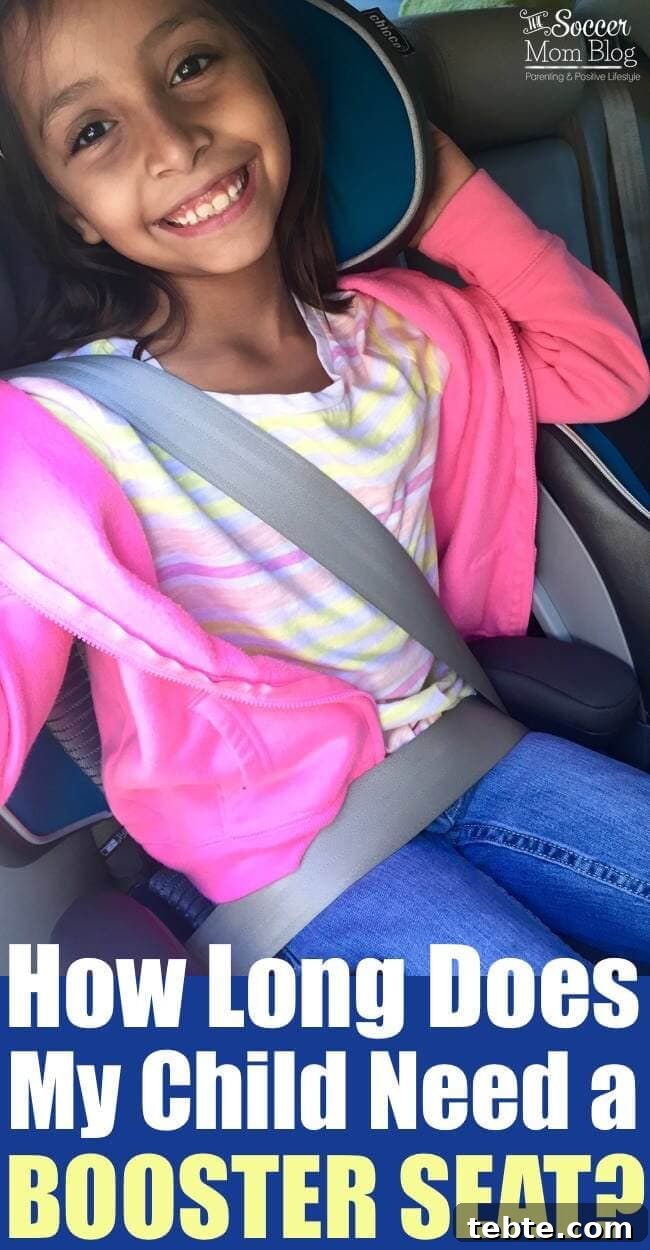
When my oldest daughter recently turned eight, I found myself asking the same question many parents face: how long should a child use a booster seat? I don’t recall using one at that age, but standards and safety recommendations have changed since the 1980s. My daughter is still on the small side, so I want to make sure she stays protected while traveling.
When Chicco invited me to share information about car seat safety, I welcomed the chance to get clear answers. I suspected other parents might appreciate straightforward, practical guidance too.
When is it time to move from a convertible seat to a booster seat?
Instead of relying on age alone, your child’s size—height and weight—should determine when it’s appropriate to switch seats. A convertible seat used forward-facing has height and weight limits listed by the manufacturer. Once your child reaches those limits, it’s typically time to move to a booster.
Some children meet the forward-facing limits around 4–5 years old, while others will be ready later. Every child grows at a different rate, so use the seat’s limits as your guide rather than a specific birthday.
How long does my child need a booster seat?
Laws in most U.S. states set minimum age, height, and/or weight requirements before children can use adult seatbelts alone. However, meeting the legal minimum does not always mean the seatbelt alone provides the safest fit. A booster should be used until the adult seatbelt fits your child correctly.
Booster seats include size limits that indicate when a child can transition to an adult restraint. For example, the Chicco 2-in-1 Booster Seat I used for my daughter lists ranges such as:
- 30–100 lbs as a high-back booster
- 40–110 lbs as a backless booster
Since my daughter weighs under 50 pounds, she still has several years of booster use ahead.
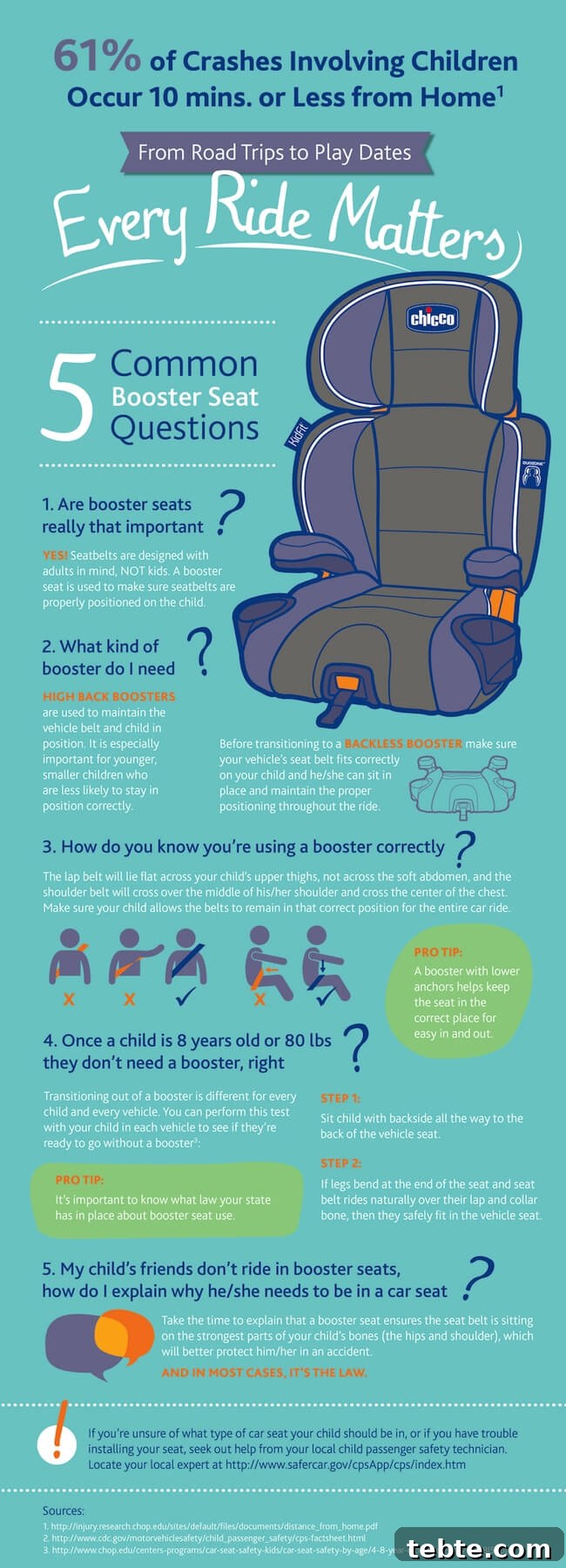
The decisive factor is a proper adult seatbelt fit. The Chicco Car Seat Safety Guide recommends a simple test to determine readiness:
- Have your child sit with their back fully against the vehicle seat back.
- If their legs bend comfortably at the edge of the seat and the seatbelt lies naturally across their lap and shoulder (collarbone), the adult restraint fits properly.
A correctly fitting belt should rest low on the hips across the upper thighs, not the stomach, and the shoulder belt should cross the middle of the shoulder and chest without contacting the neck.
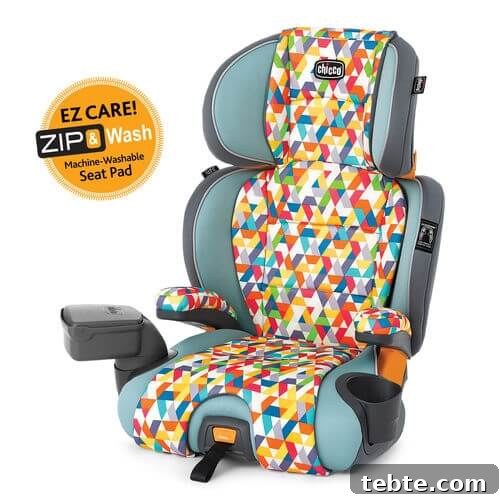
We’ve tested several boosters, and I feel confident in the Chicco 2-in-1 Booster Seat my daughter uses. It’s sturdy, well-padded, and comfortable for longer rides. Earlier boosters we tried were hard plastic with minimal cushioning, which made long trips less pleasant for her.
One feature I appreciate is that the Chicco 2-in-1 converts from a high-back to a backless booster as she grows, extending its useful life. My daughter also enjoys the small storage compartment on the side—perfect for holding small items she likes to bring on trips.
There are also a variety of patterns and styles available, which can help make the seat feel more personal and encourage consistent use.
Additional child car seat safety resources
It’s helpful to review trusted resources about common car seat mistakes and general safety guidance so you can feel confident in your choices. Recommendations and manufacturer guides can clarify proper installation, harness use, and transition timing.
Disclosure: We were provided a Chicco booster seat for review.